Leave Your Message

How to Choose the Right Jaw Crusher Wear Parts?

Choosing the right Jaw Crusher Wear Parts is not a simple matter of buying the hardest steel available. The right choice depends on the rock, crusher model, feed size, and operating conditions. A manganese jaw plate that performs well in one quarry may wear quickly in another. Details matter.

“Match the wear part to the rock, the machine, and the way it is run.” This illustrative quotation is attributed to Evan Brooks, a fictional jaw-crusher wear specialist; it is not a verified statement from a real expert. The principle is practical, but incomplete. Buyers should also check the crusher manufacturer’s specifications, material grade, plate profile, and fit. A mismatch can cause uneven contact, poor crushing, or premature wear.

Start with the feed. Is it highly abrasive, or does it contain large, hard lumps? Then review the closed-side setting, throughput, and wear pattern on the existing plates. A smooth, even wear surface tells a different story from deep grooves or chipped teeth. Keep inspection records. They help connect service life with actual operating conditions, rather than guesswork.

There is no universal best plate. Compare supplier recommendations with machine documentation and site experience. Ask how the alloy and profile suit your application, and request clear technical details. A careful choice can support reliable crushing and predictable maintenance. It cannot eliminate wear. That is worth remembering.
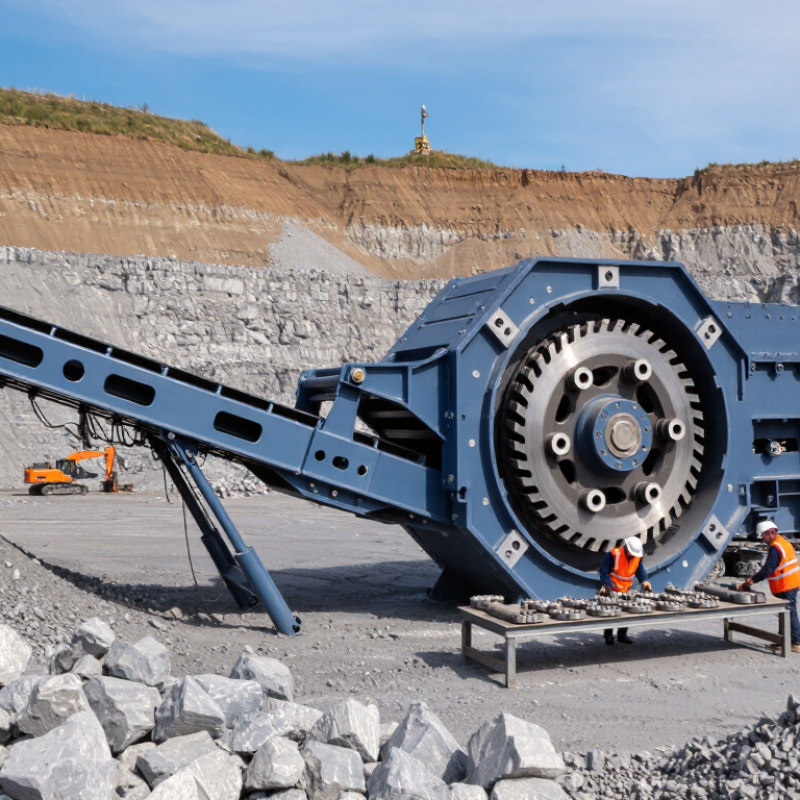
How to Choose the Right Jaw Crusher Wear Parts?

Understand the Function and Types of Jaw Crusher Wear Parts

Jaw crusher wear parts protect the machine while controlling how rock is crushed. The fixed and movable jaw dies do the main work: they grip and compress feed as the movable jaw cycles. Cheek plates shield the chamber’s side walls from rubbing rock. The toggle plate transfers force and may also act as a mechanical safeguard, depending on the crusher design. That matters. The U.S. Geological Survey’s Mineral Commodity Summaries 2024 estimated U.S. crushed-stone production at about 1.5 billion tons in 2023. At that scale, small differences in wear life can affect maintenance schedules and operating costs.

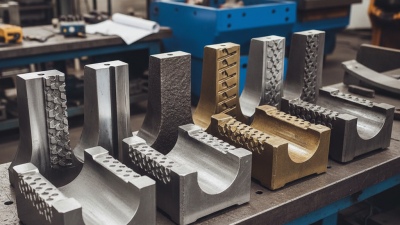
Jaw dies commonly use manganese steel, which work-hardens under repeated impact. Some applications use alloyed or specially profiled dies, but no pattern suits every feed. Large, rounded rock may call for a different tooth profile than fine, abrasive material. Check the feed size, rock abrasiveness, moisture, desired product size, and closed-side setting before choosing. Fit matters. A die that wears unevenly can leave a poor crushing profile, even if its remaining thickness looks acceptable. Inspect the contact face and measure wear during planned shutdowns. Wear charts help, but they are only estimates; actual results depend on the rock and operating conditions. The best choice is the part that matches the chamber and feed, not simply the one with the longest advertised life.
How to Choose the Right Jaw Crusher Wear Parts

Understanding the parts: Fixed and movable jaw plates crush the feed; cheek plates protect the crusher’s side walls. High-manganese steel is commonly used for jaw plates because it work-hardens under impact. The chart shows typical composition ranges by weight—not a universal specification. Check the part supplier’s material certificate and match the tooth profile and alloy to your feed material and operating conditions.

Assess Your Crusher Model and Feed Material

Before selecting jaw crusher wear parts, confirm the exact crusher model and chamber configuration. Check the equipment manual, part dimensions, tooth profile, and mounting arrangement. Similar-looking parts may not fit the same machine. A loose fit can cause uneven contact and accelerate damage. Measure carefully. Worn parts can also distort the original profile, so they are not always reliable templates. Compare them with the machine’s specifications and service records.

Next, assess the feed material as it arrives at the crusher. Note its hardness, abrasiveness, moisture, and largest particle size. Sharp, hard rock may wear jaw plates differently from softer, rounded material. Oversized feed can create high impact loads, while wet, sticky fines may pack into the chamber and affect throughput. Small details matter. Record changes in feed conditions, then inspect wear patterns and production over time. Manganese steel can work-harden under suitable impact conditions, but the right grade depends on the application. A choice based on rock type alone may miss the bigger picture.

Compare Wear Part Materials and Jaw Profiles

Material choice starts with the feed, not a catalogue label. Manganese steel work-hardens under repeated impact, making it useful when large rocks strike the jaw plates. With low-impact, abrasive feed, however, it may not harden evenly and can wear sooner than expected. Not always the hardest. That matters.

Martensitic alloy plates can offer stronger initial wear resistance, but may be less forgiving under severe impact. Match the material to both feed hardness and operating conditions; a small, steady stream behaves differently from uneven chunks. Jaw profile matters too. Coarse teeth can grip slabby feed and help it enter the crushing chamber, while finer corrugations may suit smaller, more uniform rock. Tooth shape and spacing also affect product movement and plate wear.

Compare profiles against the feed size, closed-side setting, and the wear pattern on the old plates. A worn plate with rounded teeth near the feed opening may point to poor gripping, but it is not proof by itself. Check for loose material, uneven loading, and changes in the feed before replacing parts. Selection charts help, yet they can oversimplify real conditions. Keep operating records, inspect both jaws at consistent intervals, and adjust one factor at a time.

Match Wear Parts to Operating Conditions and Goals

How to Choose the Right Jaw Crusher Wear Parts?

Match Wear Parts to Operating Conditions and Goals

Jaw plates should suit the rock, feed, and production target—not just the crusher model. Hard, abrasive stone can wear a plate quickly, while wet, sticky feed may pack between the teeth. Look at the material coming into the jaw: its size, hardness, moisture, and shape. These details affect wear and throughput.

Toothed profiles can grip large, blocky feed. A flatter profile may work better when feed is smaller or a more consistent product matters. Plate material also changes service life and replacement frequency. Manganese steel is commonly used, but the right grade depends on impact and operating conditions. Check the crusher maker’s fit and maintenance guidance before ordering.

Watch the wear pattern during routine inspections. Uneven wear may point to off-center feeding, unsuitable settings, or a profile mismatch. Measure the closed-side setting and compare it with the target product size; a tighter setting can increase wear and power demand. Small changes matter. There is no universal best plate, and I would not claim one from a brief description alone. Track tons processed, downtime, and product shape across several wear cycles. The data may challenge your first choice.

How to Choose the Right Jaw Crusher Wear Parts? — Match Wear Parts to Operating Conditions and Goals

Operating condition Wear part to consider Why it may fit Goal and operating checks
Hard, abrasive rock, such as granite or quartz-rich material Jaw dies made from crusher-approved manganese steel; compare available grades using wear history or a controlled trial Manganese steel can work-harden under crushing impact. Actual life depends on rock abrasiveness, impact, feed distribution, and correct installation—not alloy grade alone. Extend service life by maintaining an even, well-distributed feed and tracking tonnes processed per set. Check that the dies are seating correctly and wearing evenly.
Large feed pieces or high-impact crushing Jaw dies with a profile and material grade approved for the crusher and feed size A suitable tooth profile supports the material and helps transmit crushing forces. Impact can also contribute to work-hardening of manganese steel. Maintain reliable throughput without overloading the crusher. Keep feed size within the equipment specification and inspect for cracked, loose, or unevenly worn dies.
Low-impact crushing or relatively soft, low-abrasion feed Standard crusher-approved jaw dies; assess alternative materials only where the equipment supplier permits them Manganese steel relies on impact for work-hardening, so changing to a higher manganese grade does not automatically improve wear life in every application. Compare wear life and cost per tonne under consistent conditions. Review feed size, chamber fit, and operating settings before changing material.
Wet, sticky, or clay-bearing feed Jaw dies with a profile suited to the feed, plus correctly fitted cheek plates Sticky material can build up and restrict material flow; wear-part selection alone may not prevent blockage or poor chamber use. Monitor bridging, packing, and uneven wear. Manage feed moisture and remove or screen problematic material where the process allows.
Feed contains many fines or includes material smaller than the crusher’s effective intake Jaw dies selected for the actual feed gradation; consider bypassing suitable fines upstream if the process allows Excess fines can reduce chamber capacity and contribute to uneven loading. The best die profile depends on the feed gradation and crusher design. Check the feed-size distribution and avoid relying on wear-part changes to correct poor feeding or unsuitable pre-screening.
Product size or shape needs to be adjusted Jaw-die profile compatible with the required closed-side setting and crusher model Tooth profile and setting affect material movement and crushing behavior. Jaw dies cannot be selected independently of the chamber and operating setup. Confirm the permitted setting range and product requirements in the equipment documentation. Measure the setting using the approved procedure.
Wear concentrated along the sides of the crushing chamber Model-specific cheek plates, inspected alongside the jaw dies Cheek plates protect the chamber sides from abrasion and should match the crusher’s geometry and retention system. Inspect for thinning, cracks, looseness, or contact with moving components. Replace parts according to the equipment instructions.
Toggle plate is worn, damaged, or has been identified for replacement Exact model-approved toggle plate with the specified dimensions and material The toggle plate is part of the crusher’s mechanical load path and may also provide overload protection, depending on the design. Do not substitute an unapproved stronger or differently sized part. Isolate the equipment and follow the manufacturer’s service and safety procedures.

Selection note: Confirm compatibility with the crusher model and operating manual. For meaningful comparisons, record feed type and size, operating setting, tonnes processed, and wear pattern for each set of parts.

Verify Fit, Installation, and Replacement Intervals

How to Choose the Right Jaw Crusher Wear Parts? Verify Fit, Installation, and Replacement Intervals

Before ordering, match the wear part to the crusher’s exact model and configuration. Check the part number, dimensions, mounting points, and material specification against the equipment manual or a dimensioned drawing. Small differences matter. A plate that appears to fit may sit unevenly, creating gaps where rock can catch. During installation, clean the seating surfaces and inspect bolts, wedges, and contact areas for damage. Follow the specified tightening sequence and torque; do not estimate by feel. After start-up, listen for unusual movement and recheck fasteners according to the maintenance procedure. A rushed fit can become an expensive problem.

Set replacement intervals using operating hours and measured wear, not a calendar alone. Record plate thickness at the same marked points during inspections, and note changes in feed material, moisture, and throughput. These details make wear trends more useful than a single measurement. The U.S. Department of Energy’s 2010 Operations & Maintenance Best Practices Guide reports that predictive maintenance can reduce costs by 8–12% compared with preventive maintenance and 30–40% compared with reactive maintenance. Those figures cover maintenance programs generally, not jaw crushers specifically. Treat them as context, not a crusher-life promise. If measurements vary between shifts, check the measuring method before changing the interval. That step is easy to overlook.