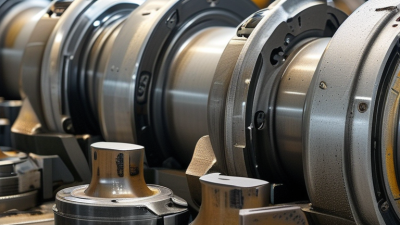
Choosing the right Jaw Crusher Wear Parts has become a strategic decision for quarry, mining, and recycling operations in 2026. A jaw plate may appear simple, but its profile, alloy, thickness, and fit can change production results. The wrong selection may cause uneven wear, excess vibration, higher fuel use, or unexpected downtime.
As comminution specialist Dr. Steve Morrell has stated, “The best wear solution improves the whole process, not just liner life.” This principle remains highly practical. Buyers should examine feed size, rock abrasiveness, moisture, crusher settings, and daily operating hours. Manganese steel suits many demanding applications. Some abrasive materials may require stronger composite or customized solutions. There is no universal winner.
Small details matter.
A worn cheek plate can expose the crusher frame. A poorly matched jaw profile can create a crushing chamber that works harder than necessary. Experienced buyers also check casting quality, heat treatment, dimensional accuracy, and supplier traceability. These factors often separate dependable Jaw Crusher Wear Parts from cheap replacements.
Still, product data cannot answer every question. Actual site conditions may differ from laboratory results. Even experienced teams can misjudge wear patterns during seasonal changes. That uncertainty deserves attention, not concealment. This guide reviews the top jaw crusher wear parts types buyers need in 2026, while examining their applications, limitations, maintenance signals, and total operating value. The goal is not to promote the most expensive part. It is to identify the most suitable part for a specific crushing reality.
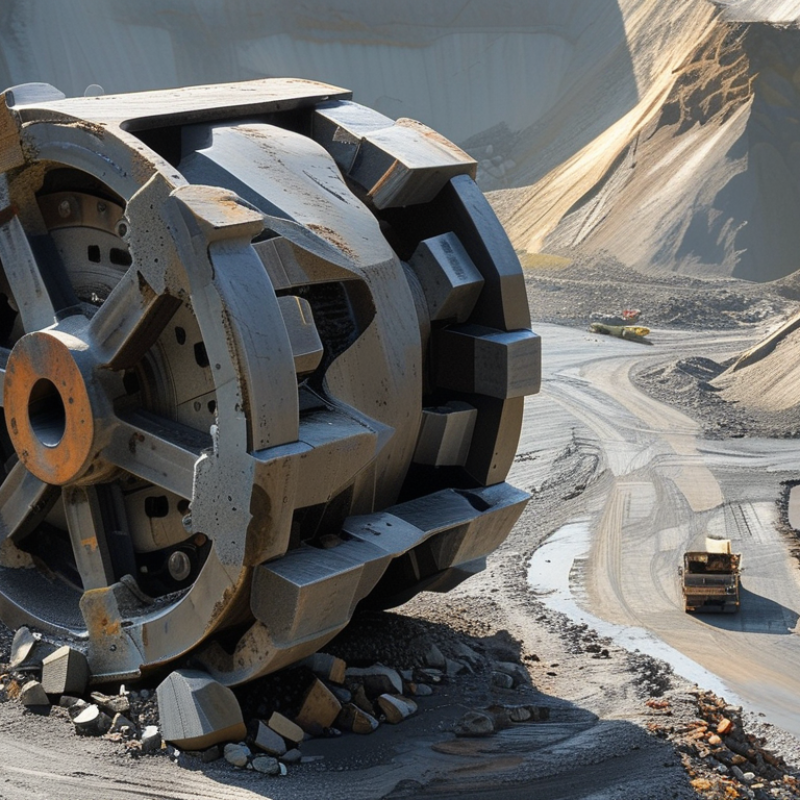
Jaw crusher wear parts control crushing performance, product size, and equipment protection. The fixed jaw plate and swing jaw plate absorb repeated impact from blasted rock. Their surfaces gradually lose profile, reducing the crusher’s grip. Cheek plates protect the chamber sides from abrasive feed. They are easy to overlook.
Most jaw plates use manganese steel because impact can harden the working surface. The correct grade depends on feed hardness, abrasiveness, and crushing conditions. Alloyed materials may suit specific applications, but harder is not always better. A brittle part can crack under heavy impact. Buyers should request verified material data and inspect sample reports before ordering.
The toggle plate transfers motion and can help protect the crusher during overload conditions. Its fit, thickness, and seating surfaces require careful inspection. Measure plate profiles regularly, rather than relying only on appearance. Uneven wear can indicate poor feeding, incorrect closed-side setting, or material segregation. Moisture may worsen blockage risks. That detail is sometimes missed.
Maintenance records should include operating hours, feed characteristics, changeout dates, and measured wear. These records make purchasing decisions more reliable. A low purchase price can become expensive when downtime, fitting problems, or premature replacement follow. Field conditions are rarely perfect, and wear predictions can be wrong. Review them after every replacement.
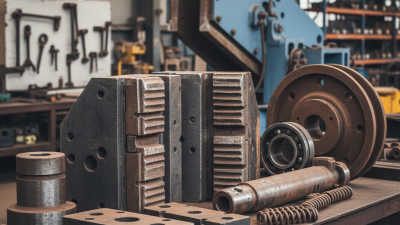
Jaw crusher wear parts directly affect output, energy use, and maintenance time. Buyers should understand the main types before selecting replacements. Fixed jaw plates and swing jaw plates form the crushing chamber. They receive constant impact and pressure from rock. Their profiles may be flat, corrugated, or specially shaped for different feed conditions. Cheek plates protect the crusher sides and often need replacement when the lower edges become thin.
The toggle plate transfers crushing force and protects the machine from excessive load. Its seats and contact surfaces can also wear, even when the plate looks acceptable. Wedges, clamping bolts, and jaw plate fasteners deserve attention too. They are not always the first parts buyers consider. However, loose hardware can create uneven wear and unsafe movement. In abrasive applications, high-manganese steel is common, but the best material depends on rock hardness, moisture, feed size, and operating pressure. No selection is perfect. Field conditions can change faster than a purchase plan.
Tips: Compare the old wear pattern with the new part’s profile. Measure plate thickness before ordering. Check the crusher model, cavity size, and mounting dimensions carefully. Avoid choosing only by the lowest price. A slightly longer-lasting plate may reduce shutdown labor, but it may perform poorly if its profile does not match the feed. Record tonnes processed and replacement hours. These simple records often reveal mistakes.
| Wear Part Type | Primary Position | Main Function | Typical Material Options | Common Wear Pattern | Key Buyer Specification | Replacement Priority |
|---|---|---|---|---|---|---|
| Fixed Jaw Plate | Stationary side of the crushing chamber | Provides one crushing surface and receives compressive impact from feed material. | Hadfield manganese steel Martensitic alloy steel for selected applications |
Tooth profile rounding, lower-zone thinning, cracking, and localized gouging. | Crusher model, chamber profile, feed size, plate thickness, mounting holes, and material grade. | High |
| Swing Jaw Plate | Moving jaw of the crushing chamber | Moves toward the fixed jaw to compress and break rock, ore, and recycled feed. | Hadfield manganese steel Martensitic or composite alloy options |
Tooth wear, uneven profile loss, bottom-end wear, and deformation caused by oversized feed. | Jaw profile, tooth pitch, thickness, mounting arrangement, material hardness, and operating CSS. | High |
| Cheek Plate | Side walls of the crushing chamber | Protects the crusher side plates and reduces wear from material sliding along the chamber walls. | Manganese steel Wear-resistant alloy steel |
Sliding abrasion, edge rounding, gouging, and thinning near the feed and discharge zones. | Side profile, thickness, bolt pattern, chamber dimensions, and clearance from the jaw plates. | High |
| Jaw Plate Wedge | Behind or above the jaw plate, depending on crusher design | Secures the jaw plate and transfers clamping force to maintain stable plate seating. | Cast alloy steel Heat-treated manganese or carbon steel |
Contact-face wear, distortion, cracking, and loss of clamping surface. | Correct geometry, contact area, fastener compatibility, and resistance to deformation. | High |
| Toggle Plate | Between the pitman and the toggle seats | Transmits motion and crushing force while providing a mechanical overload protection point. | Cast steel Designed sacrificial alloy materials |
Cracking, bending, pin-area wear, and fracture after tramp iron or uncrushable material enters the chamber. | Crusher model, toggle length, seating geometry, safety function, and fracture resistance. | High |
| Toggle Seat | At the frame and pitman contact points | Supports the toggle plate and allows the required movement during the crushing cycle. | Cast alloy steel Hardened wear-resistant steel |
Contact pitting, fretting, indentation, grooving, and loss of the designed seating angle. | Seat curvature, contact dimensions, hardness, lubrication arrangement, and alignment. | Medium |
| Cheek Plate Wedge or Retainer | Along the side-plate retaining system | Holds cheek plates securely against the crusher frame and limits movement during operation. | Carbon steel Alloy steel for high-impact service |
Deformation, bolt-hole elongation, fretting, and contact-surface wear. | Retaining method, bolt size, wedge angle, frame fit, and access for maintenance. | Medium |
| Frame Side Liner | Internal frame surfaces outside the main cheek plates | Protects structural frame areas from impact and abrasive material leakage. | Manganese steel Chromium-alloy or abrasion-resistant steel |
Impact dents, sliding abrasion, localized thinning, and fastener-area damage. | Coverage area, liner thickness, attachment method, impact level, and access for inspection. | Medium |
| Discharge Chute Liner | Below and around the crusher discharge area | Protects the chute from high-velocity impact and abrasion as crushed material exits the crusher. | Abrasion-resistant steel Rubber or ceramic-backed liner systems for suitable applications |
Impact cratering, sliding abrasion, gouging, and wear concentrated below the discharge opening. | Material abrasiveness, drop height, liner thickness, attachment method, and chute geometry. | Medium |
| Deflector Plate | At the feed or discharge transition area | Redirects material flow and shields nearby structural components from direct impact. | Manganese steel Quenched and tempered abrasion-resistant steel |
Impact cratering, edge wear, bending, and localized abrasion at the material trajectory point. | Feed trajectory, impact angle, plate thickness, mounting arrangement, and clearance. | Low to Medium |
| Jaw Plate Fasteners | Jaw plate and wedge mounting points | Maintains secure contact between wear plates, wedges, and the crusher structure. | High-strength alloy steel | Thread damage, loosening, elongation, bolt-head wear, and fatigue cracking. | Thread size, strength class, head design, tightening torque, locking method, and corrosion protection. | High |
| Flywheel Key and Related Drive Wear Components | Drive and flywheel connection area | Transfers rotational torque and helps maintain reliable power transmission to the crushing mechanism. | Machined alloy steel Heat-treated steel |
Fretting, shearing, surface deformation, fatigue damage, and keyway enlargement. | Key dimensions, shaft fit, torque demand, material hardness, and alignment condition. | Low |
2026 Top Jaw Crusher Wear Parts Types Buyers Need
How Crusher Design and Material Affect Wear Part Selection
Jaw crusher design directly shapes wear part requirements. A single-toggle crusher often produces a different crushing rhythm from a double-toggle machine. That difference changes pressure on the jaw plates, toggle plate, and cheek plates. A narrow crushing chamber may increase contact stress near the closed-side setting. A deeper chamber can improve feed acceptance but may create uneven wear. I have seen a plate look usable while its lower section was already dangerously thin.
Material selection must match the feed, not just the machine model. Manganese steel suits many abrasive stone applications because it can harden under impact. High-alloy options may perform better with highly abrasive, lower-impact feed. However, harder does not always mean better. Brittle material can crack when oversized rock enters the chamber. Wet, sticky feed can also pack behind cheek plates and accelerate local damage.
Check the wear pattern often. Measure plate thickness at several points, especially near the discharge zone. Compare those readings with feed size, moisture, and operating settings. A loose CSS setting may reduce pressure, but it can also lower product control. Excessive speed can increase impact and shorten service life. Buyer specifications should include chemistry, hardness range, casting quality, and dimensional tolerance. Supplier claims deserve verification through inspection records and operating data. There is no perfect chart. Field conditions keep changing.
2026 Top Jaw Crusher Wear Parts Types Buyers Need
Jaw crusher wear parts should match the crushing duty, not merely the machine model. The main choices include fixed and swing jaw dies, cheek plates, toggle plates, wedges, and mounting hardware. Jaw dies usually deserve the closest review because their profile controls feed grip, product shape, and liner life. A deeper tooth pattern may improve coarse crushing, while a smoother profile can reduce packing with sticky feed.
Demand remains substantial. The U.S. Geological Survey reported approximately 1.5 billion metric tons of crushed stone production in 2023. That volume highlights why small wear-life differences can affect operating costs. Buyers should check feed size, compressive strength, abrasiveness, moisture, and required closed-side setting. The USGS Minerals Yearbook also separates construction aggregates by material and use, reminding buyers that “stone” is not one uniform application. Limestone and granite can require very different liner strategies.
Hardness is only part of the decision. Abrasion-resistant manganese grades may suit highly abrasive rock, but excessive hardness can reduce impact tolerance. A higher-alloy part is not automatically better. Review the crusher’s operating hours, actual throughput, and previous liner measurements. The Global Mining Guidelines Group stresses consistent inspection and condition monitoring across mining equipment; the same discipline applies here. Measure tooth wear at fixed intervals, photograph the chamber, and record when profiles stop gripping feed. Perfect predictions are rare. A practical trial may reveal that a cheaper profile performs better in your specific feed.
In 2026, buyers are choosing jaw crusher wear parts by cost per tonne, not purchase price alone. A cheek plate that lasts longer can reduce stoppages at dusty quarry sites. However, longer life is not guaranteed. Feed size, silica content, CSS settings, and operator habits change results.
The 2024 Global Resources Outlook reports that global material extraction could rise by 60% by 2060. This pressure is accelerating recycled aggregate production and tougher wear-part requirements. Concrete, asphalt, and demolition waste often contain steel, glass, or hidden contaminants.
Buyers increasingly request impact-resistant alloys, reinforced profiles, and clearer hardness data. Abrasion performance still matters most. Impact resistance matters more than many product sheets admit.
Energy efficiency is another strong influence. The International Energy Agency reports that industrial motors and systems represent a major share of global electricity demand. A poorly maintained jaw can draw more power through chamber blockage and uneven feed.
Wear parts with stable tooth profiles may support smoother crushing, though field testing remains essential. The 2024 edition of Mineral Commodity Summaries records approximately 1.9 billion metric tons of crushed stone production in the United States. That scale makes small efficiency gains commercially meaningful.
Digital inspection is becoming practical. Workers can photograph a worn liner beside a calibrated gauge, then compare wear patterns monthly. Useful data beats confident guessing.
Yet some buyers still select parts from old habits, even when their feed material has changed. That is an expensive assumption.