Essential Tips for Choosing Jaw Crusher Wear Parts?
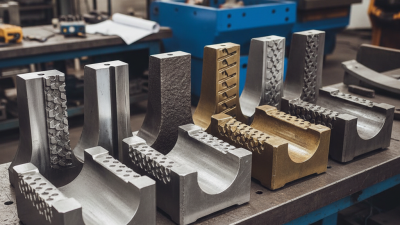
Selecting the right Jaw Crusher Wear Parts is critical for optimal performance in the mining and construction industries. According to a report by Grand View Research, the global mining equipment market is projected to reach USD 368.99 billion by 2025, highlighting the importance of high-quality wear parts in equipment longevity and efficiency. Investing in durable wear parts can significantly reduce operational costs and downtime.
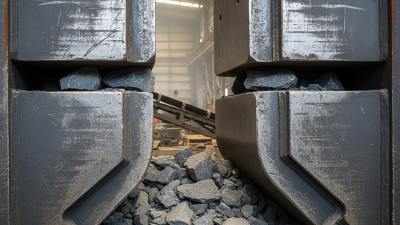
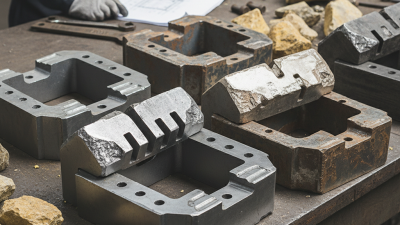
Wear parts, such as jaw plates and cheek plates, encounter harsh conditions. They endure abrasive materials and high-impact forces daily. A study from the Journal of Materials Processing Technology indicates that choosing the wrong materials can lead to premature wear. This is often overlooked, leading to costly replacements and reduced productivity. Companies must evaluate their specific needs, considering factors like material type and crushing capacity to ensure they select the most effective wear parts.
Understanding the nuances of Jaw Crusher Wear Parts is necessary for long-term success. Not every part is created equal, and variations exist within manufacturing processes. Industry leaders emphasize the importance of scrutinizing suppliers and materials used. Making a thoughtful choice can mitigate risks associated with wear parts failures, reinforcing durability. Hence, revisiting selection criteria is essential for anyone engaged in crushing operations.
Understanding the Importance of Wear Parts in Jaw Crushers
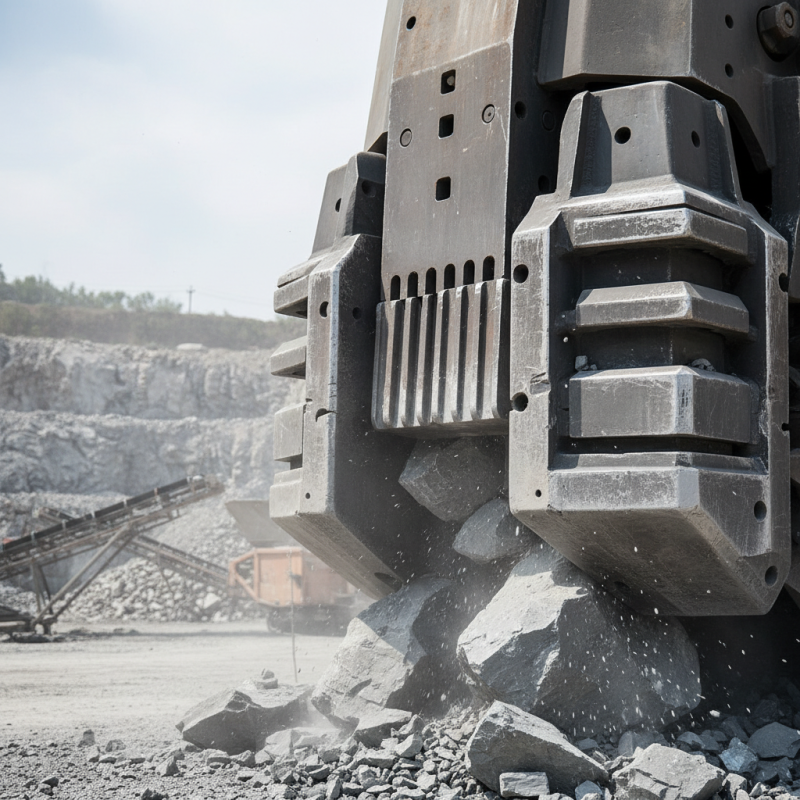
Wear parts are crucial in ensuring the functionality of jaw crushers. These components experience significant stress during operation, leading to wear that can affect performance. According to the Mining and Quarrying Global Market Report 2021, the efficiency of wear parts can influence the operational costs of a mining facility by up to 30%. This showcases the need to consider wear part selection carefully.
Tip: Choose high-quality materials. Selecting the right materials can extend the lifespan of wear parts. Look for options that offer durability and resistance to wear.
Another key aspect is the fit of the wear parts. Poorly fitting components can lead to increased wear and maintenance. In a study conducted by the Engineering and Mining Journal, it was noted that a 1% misalignment could cause a 10% reduction in equipment lifespan. Regular monitoring and adjustments can mitigate these issues.
Tip: Don’t overlook maintenance. Neglecting maintenance can lead to premature wear. Create a schedule for inspections to catch wear early.
Understanding the importance of wear parts not only impacts performance but also affects long-term costs. Investing in reliable parts pays dividends over time.
Key Materials Used for Jaw Crusher Wear Parts
When selecting jaw crusher wear parts, understanding the key materials is crucial. High-manganese steel is the most common choice. This material offers a superior wear resistance due to its ability to harden under impact. However, it is not flawless; excessive heat can lead to brittleness. Consider this when evaluating operating conditions and material types.
Another important material is alloy steel. It presents a good balance between toughness and wear resistance. Alloy steel wear parts often perform well in diverse conditions. Yet, they may not withstand extreme impacts as effectively as high-manganese steel. Careful analysis of your crushing process can help determine the most suitable choice.
Finally, there are ceramic composites, known for their exceptional hardness. These materials excel in wear situations involving harsh abrasives. However, they can be expensive. Durability may not always justify the price for every application. Balancing cost and performance is vital when choosing the right material for your needs.
Essential Tips for Choosing Jaw Crusher Wear Parts
| Material Type |
Hardness (Rockwell Scale) |
Tensile Strength (MPa) |
Wear Resistance |
Typical Application |
| Hadfield Steel |
HRC 60-65 |
850-1000 |
Excellent |
Primary and secondary crushing |
| Manganese Steel |
HRC 50-55 |
700-900 |
Very Good |
Jaw crusher applications |
| High Chromium Iron |
HRC 58-65 |
900-1200 |
Good |
Crushing harder rock |
| Carbon Steel |
HRC 45-50 |
400-600 |
Moderate |
Used in lower stress applications |
Factors to Consider When Choosing Jaw Crusher Wear Parts
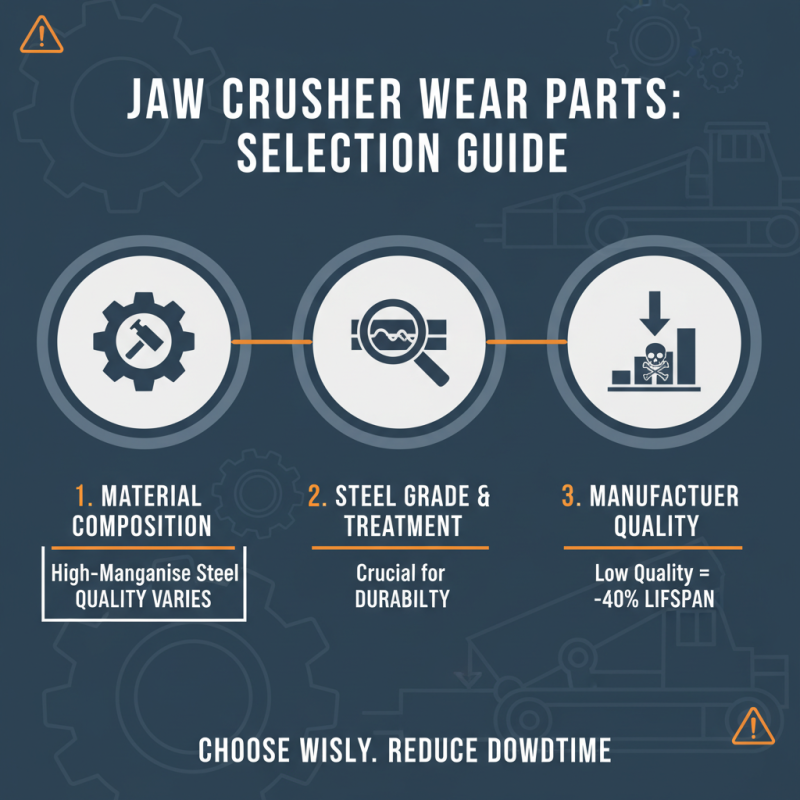
When selecting jaw crusher wear parts, several factors come into play. Material composition is crucial. High manganese steel is common due to its excellent wear resistance. However, not all high manganese steel is the same. Quality varies across manufacturers. According to industry reports, using low-quality materials can reduce lifespan by up to 40%. Understanding the grade and treatment of the steel helps in making an informed decision.
The design of the wear parts matters too. Components that fit well with your specific crusher model perform better. A poor fit can lead to misalignment and increased wear. It's essential to consider how these components experience stress during operation. Parts subjected to excessive impact will wear faster. A report from Mining Weekly highlights that misalignment can increase operational costs by 25%.
Tip: Always consult manufacturer guidelines for compatibility.
Cost should not be the only factor when choosing wear parts. While cheaper options are tempting, they may not offer longevity. Investing in higher-quality wear parts can yield better performance over time, mitigating frequent replacements. Documentation and user reviews often give insights into durability and efficiency. It’s wise to gather as much information as possible before making a choice.
Tip: Assess long-term value over initial costs.
Analyzing Wear Patterns for Better Component Selection
When selecting wear parts for jaw crushers, understanding wear patterns is crucial. Observing how components wear over time can inform better choices. Different materials endure varying pressures and materials, leading to distinct wear characteristics. Analyze the areas that experience the most wear. This insight can guide future purchases.
Consider, for instance, the location of the wear. Parts that encounter harder materials may wear faster. Focusing on these patterns allows for targeted decisions. It is important to evaluate the operational environment and material composition involved. Conducting regular inspections is key to recognizing wear nuances.
Not all wear is predictable. Variability can stem from many factors, including feed material and operational practices. This uncertainty means that flexibility in choices is vital. Sometimes, opting for more durable materials might seem expensive but can reduce long-term costs. Reliability in wear parts can enhance overall efficiency in operations. However, companies often overlook these aspects, leading to premature failures and unexpected downtimes.
Best Practices for Maintaining Jaw Crusher Wear Parts
Maintaining jaw crusher wear parts is crucial for optimizing performance. Regular inspections help identify wear patterns. Checking for cracks or fractures is vital. Operators should use visual and tactile assessments. These methods can help detect issues early.
Proper lubrication extends the life of wear parts. Ensure that the right lubricant is used. Often, operators overlook this detail. Regular intervals for lubrication checks are necessary. This reduces friction and prevents part failure.
Cleaning is another key aspect of maintenance. Dust and debris can cause damage over time. Operators should establish a cleaning routine. It may seem tedious, but a clean environment leads to better functionality. Neglecting these tasks may result in costly repairs down the line.
Essential Tips for Choosing Jaw Crusher Wear Parts