2026 How to Choose the Right Plate For Jaw Crusher?
Choosing the right plate for jaw crusher is crucial for optimal performance. A suitable plate can enhance the efficiency of crushing operations. It significantly influences the longevity of the equipment. The plate for jaw crusher must match the specific application and materials being processed.
Quality and durability are paramount. High-quality plates withstand wear and tear better than inferior ones. Moreover, the hardness and thickness of the plate also play vital roles. Selecting the incorrect plate may lead to performance issues. It can even result in equipment damage.
Experience and expertise are essential in this decision-making process. Understanding the material characteristics is vital. Considerations like abrasiveness and size affect plate selection. Reflection on past choices can guide current decisions. A well-chosen plate not only improves productivity but also enhances safety. Investing time in understanding your needs will yield positive results.
Understanding the Role of Jaw Crusher Plates in Crushing Operations
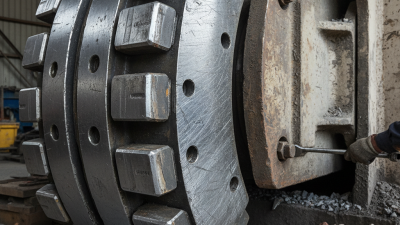
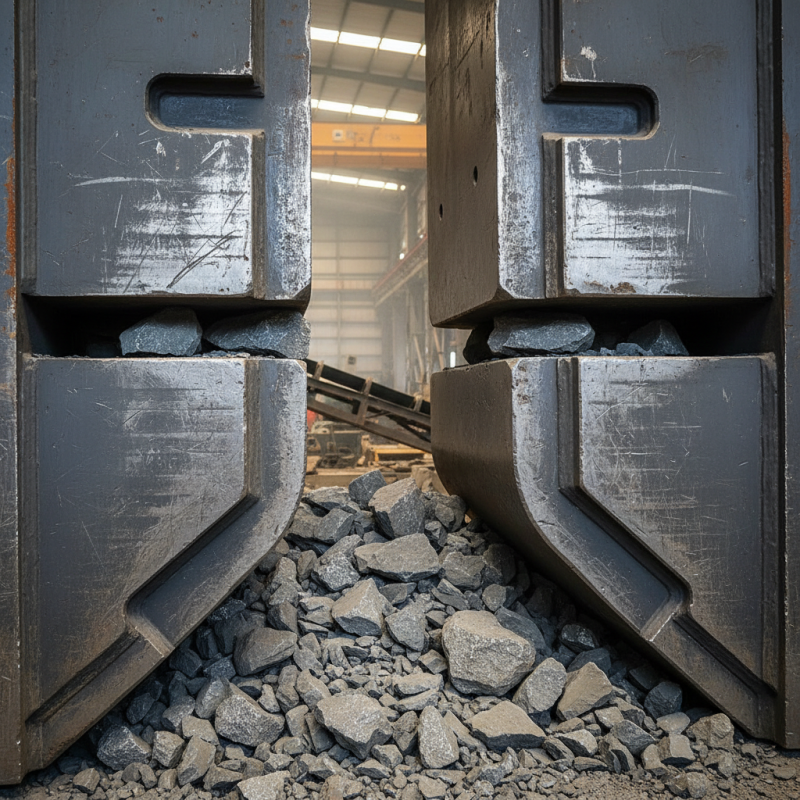
Jaw crusher plates play a critical role in the efficacy of crushing operations. They are essential components that directly affect the performance and output quality of the machine. According to industry reports, approximately 60% of wear and replacement costs in a crushing operation stem from plate degradation. The right choice of material and design significantly influences the lifespan and effectiveness of these plates.
Choosing the appropriate jaw plate involves considering several factors. The material composition is paramount. Many operators overlook the importance of hardness and impact resistance. A well-designed plate should withstand intense pressures while also being resistant to wear. Conversely, softer materials may lead to rapid degradation, requiring frequent replacements, which in turn elevates operational costs. Studies show that using high-quality materials can extend the plate lifespan by up to 40%, ultimately improving productivity.
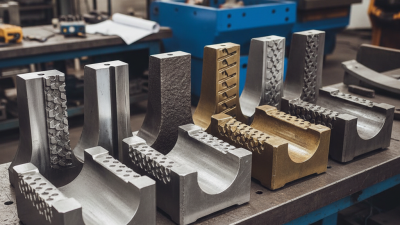
Additionally, understanding the geometrical profiles of jaw plates is crucial. Variations in angle and shape can affect the crushing efficiency. For instance, a well-curved plate can enhance the material flow and reduce energy consumption. Many operations fail to adapt their jaw plates to accommodate different material types, resulting in suboptimal performance and reduced throughput. This gap in understanding can lead to missed opportunities in efficiency gains.
2026 How to Choose the Right Plate For Jaw Crusher?
| Plate Material |
Width (mm) |
Height (mm) |
Thickness (mm) |
Weight (kg) |
Applications |
| Manganese Steel |
1000 |
800 |
50 |
370 |
Primary Crushing |
| High Carbon Steel |
1200 |
900 |
55 |
450 |
Secondary Crushing |
| Alloy Steel |
1100 |
850 |
45 |
400 |
Tertiary Crushing |
| Ceramic Composite |
950 |
780 |
60 |
320 |
Recycling |
Key Factors to Consider When Selecting Jaw Crusher Plates
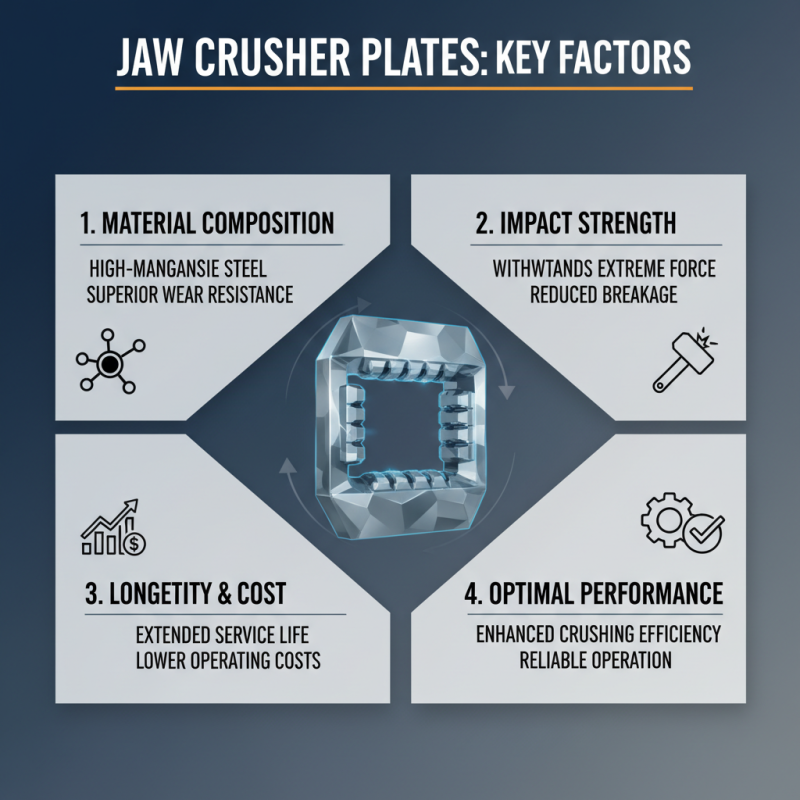
Selecting the right jaw crusher plates is critical for optimal operation. Key factors play a significant role in performance and longevity. Material composition is one of the primary considerations. High manganese steel plates are popular due to their excellent wear resistance. According to industry reports, they can withstand significant impact forces, providing a longer service life compared to standard steel.
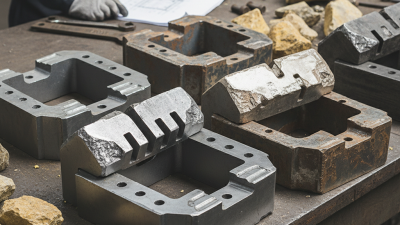
Another factor is the plate design and profile. Different applications require specific shapes to enhance crushing efficiency. For example, a corrugated design can increase the friction with the material, improving crushing power. A study by the Association of Equipment Manufacturers suggests that plate design can impact throughput by up to 20%. This is crucial in high-capacity operations, where every bit of performance counts.
Understanding the operating environment is also essential. For instance, working in a highly abrasive setting can rapidly wear out certain plate types. It’s recommended to analyze material characteristics beforehand. Regular assessment of plate wear is necessary for maintaining operational efficiency. Balancing all these factors can be challenging, yet it is vital for maximizing productivity and reducing downtime in operations.
Material Types and Their Impact on Jaw Crusher Plate Performance
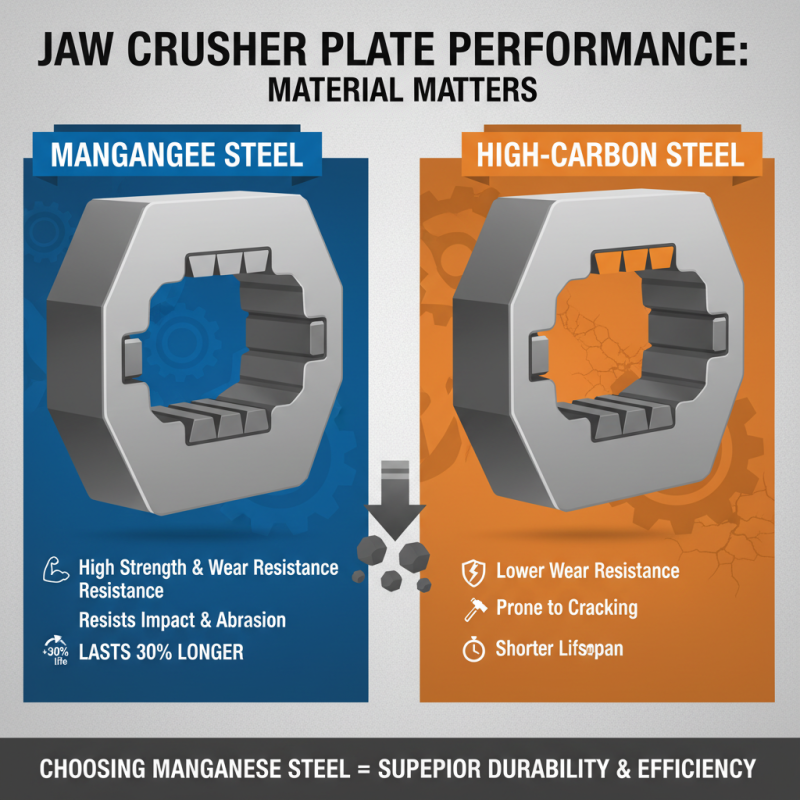
When selecting a jaw crusher plate, understanding material types is crucial. The performance of these plates significantly depends on the materials used. Commonly, manganese steel is favored for its strength and resistance to wear. It can withstand high impact and abrasive forces, making it ideal for various applications. Industry reports indicate that manganese plates can last up to 30% longer than typical high-carbon steel plates under similar conditions.
However, not all materials suit every application. For instance, low alloy steel plates may offer better toughness but less wear resistance. A study shows that varying the alloy composition can influence performance by up to 40%. This variability can lead to reflections on material selection, emphasizing the importance of testing and adaptation to specific operational needs.
Another factor to consider is the surface treatment of the plates. Treatments such as hard-facing can enhance wear resistance, yet may also create brittleness. Balancing hardness and toughness is a persistent challenge. Each choice carries potential risks, and understanding the implications of these choices is essential for optimal performance. Accurate assessment and ongoing evaluation of material properties are vital for effective use in jaw crushers.
Identifying the Right Size and Shape for Your Jaw Crusher Plates
Choosing the right jaw crusher plates is crucial for maximizing efficiency and throughput. Size and shape play a significant role in how effectively the crusher performs. A well-fitted plate can reduce wear and tear, prolonging the equipment's life. To make a smart choice, consider the material being crushed and its size.
Different materials require different plate configurations. For example, softer materials may need wider plates, while harder materials benefit from narrower ones. Additionally, the design of the teeth on the plates influences their performance. Plates with a pronounced shape can enhance grip and crushing efficiency.
Experimenting with various designs can reveal which ones yield better results. However, it's essential to reflect on your previous choices. Maybe a certain size didn't perform as expected.
Understanding this can help you make informed decisions for future purchases. Always gather data on how different plates affected the operation. Reliability and experience will guide you toward the best solutions for your specific needs.
Maintenance Tips for Prolonging the Life of Jaw Crusher Plates
Maintaining jaw crusher plates is critical for ensuring their longevity and optimal performance. According to a recent industry study, poorly maintained plates can lead to reduced efficiency by up to 25%. Regular inspections should be performed to check for wear and tear, as early detection of damage can prevent costly repairs down the line. Operators should replace plates that show excessive wear or cracks, as this not only extends the life of the equipment but also enhances the quality of crushed material.
Proper lubrication is also essential. A well-lubricated plate minimizes friction, preventing overheating and extending operational life. Research indicates that maintaining correct lubrication levels can improve plate lifespan by nearly 30%. Operators should adhere to standard maintenance schedules, ensuring grease and oil are replaced regularly. Additionally, fine-tuning the settings of the crusher can optimize the crushing process, safeguarding the plates against unnecessary stress.
Operators often overlook the impact of material selection on plate wear. Harder materials can increase wear rates, leading to accelerated plate replacement cycles. It’s also important to monitor the type and size of materials processed. Not adjusting feed size can result in increased stress on the plates. By understanding these factors and implementing a strategy for regular maintenance and adjustment, operators can significantly extend the life of their jaw crusher plates.
Optimal Parameters for Jaw Crusher Plates
This chart displays essential parameters to consider when choosing the right plate for a jaw crusher. The data reflects material hardness, plate thickness, cost per plate, and replacement frequency, which are critical for maintaining crusher performance and longevity.