- Home
- About Us
- Products
- News
- Blog
- Contact Us
Leave Your Message
Choosing the right Jaw Crusher Wear Parts can determine whether a crushing line runs smoothly or loses valuable hours to unplanned maintenance. In 2026, operators are paying closer attention to jaw plates, cheek plates, toggle plates, and supporting wear components. Each part protects a different area and responds differently to abrasive stone, impact loads, and crushing pressure. Fit matters.
This guide examines the leading Jaw Crusher Wear Parts types used across quarrying, recycling, mining, and aggregate production. It explains how manganese steel, martensitic alloys, and composite options perform under real working conditions. A hard, sharp feed may demand stronger abrasion resistance, while recycled concrete can create different impact patterns. Crusher design also matters. A part that performs well in one machine may wear unevenly in another. Data helps.
The discussion draws on maintenance practices, manufacturer specifications, and practical inspection experience. We will consider wear profiles, liner thickness, installation accuracy, operating settings, and replacement timing. Small differences can become costly. For example, a loose cheek plate may allow material movement, damage adjacent surfaces, and increase downtime. However, no single wear material is perfect for every site. This article may challenge some popular assumptions and acknowledge areas where field results remain inconsistent. Reliable decisions require measured wear records, verified dimensions, and advice from qualified suppliers or equipment engineers. The top choice is not always the hardest part; it is the part that matches the crusher, feed material, production target, and maintenance plan.
What Are the 2026 Top Jaw Crusher Wear Parts Types?
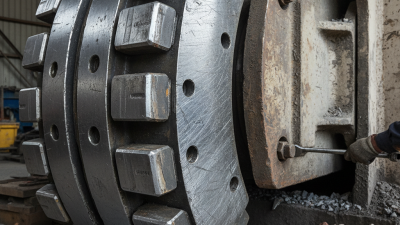
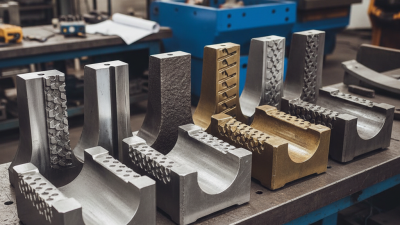
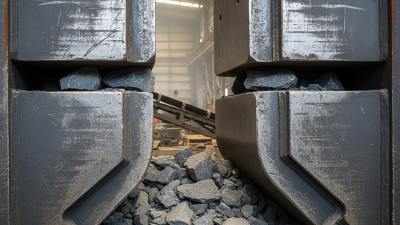
Jaw crusher wear parts control crushing efficiency, product shape, and machine protection. The main types are fixed jaw plates, swing jaw plates, cheek plates, toggle plates, and plate wedges. Fixed and swing plates receive the highest impact and abrasive pressure. Cheek plates protect the chamber sides. Wedges hold the jaw plates firmly, while the toggle plate transfers crushing force and helps protect the drive system.
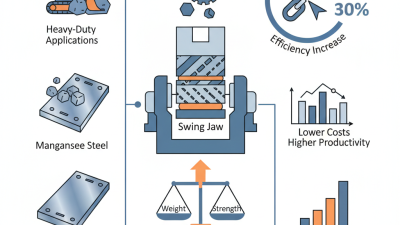
Material selection depends on feed size, rock hardness, moisture, and operating rhythm. Manganese steel remains common because it hardens under repeated impact. Martensitic steel can suit abrasive applications requiring stronger surface resistance. Some operations use composite or alloyed materials for specific wear patterns. The hardest material is not always the best choice. I have seen a durable plate perform poorly when the feed conditions were misunderstood.
Replacement starts with regular measurements, not visual guessing. Check tooth profile, plate thickness, cracks, loose fasteners, and uneven wear. Short measurements matter. Compare readings across several points in the chamber. Replace parts when crushing capacity drops, profiles become dangerously thin, or mounting surfaces deform. Shut down, isolate, and secure the crusher before inspection. A practical mistake is replacing only one severely worn plate. Uneven profiles can increase stress and reduce output. Rotation may extend plate life, but only when the design and wear pattern allow it. Keep service records, including feed changes and operating hours.
| Wear Part Type | Primary Role | Common Material Options | Main Wear Mechanism | Replacement Indicators | Selection and Maintenance Basics |
|---|---|---|---|---|---|
| Fixed Jaw Plate | Forms the stationary crushing surface and works with the swing jaw plate to compress feed material. | Austenitic manganese steel; alloyed manganese steel; selected composite or high-alloy options for specific applications. | Abrasive sliding and repeated impact from rock passing through the crushing chamber. | Tooth profile is rounded, crushing capacity falls, product size changes, or the plate approaches the manufacturer’s minimum safe thickness. | Match tooth profile and chamber design to the feed size and rock abrasiveness. Inspect wear at several points rather than judging only the top edge. |
| Swing Jaw Plate | Moves toward the fixed jaw plate to apply compressive force and control the crushing stroke. | Austenitic manganese steel is widely used for high-impact crushing; alloyed grades may be selected for more abrasive feed. | Impact, compression, and abrasive wear, often concentrated in the lower or central crushing zone. | Uneven tooth wear, reduced nip, excessive product oversize, visible cracking, or insufficient remaining wear allowance. | Rotate or reverse reversible plates when the design permits and local wear is uneven. Confirm fastener tightness after installation. |
| Cheek Plates | Protect the crusher’s side areas and help prevent feed material from contacting the main frame. | Manganese steel, abrasion-resistant alloy steel, or cast wear-resistant steel depending on impact and abrasion levels. | Abrasive rubbing and localized impact from material near the chamber side walls. | Exposed frame surfaces, deep grooves, holes, loose mounting points, or loss of the designed side protection. | Check both sides for matching wear. Replace before the crusher frame is exposed, because frame repairs are generally more disruptive and costly. |
| Jaw Die Wedges and Retainers | Secure the fixed and swing jaw dies and maintain correct contact with the supporting surfaces. | Heat-treated alloy steel or other high-strength wear-resistant steels suitable for the crusher design. | Fretting, impact, vibration, and secondary abrasion caused by movement or poor seating of the jaw dies. | Loose jaw die, damaged contact faces, deformed wedges, abnormal vibration, or visible movement during inspection. | Clean seating surfaces, use the specified tightening method, and inspect the retention system whenever jaw dies are changed. |
| Toggle Plate and Toggle Seats | Transfers movement to the swing jaw and acts as a mechanical safety element against certain overload conditions. | Cast steel, ductile iron, or other specified materials; some designs use a replaceable or sacrificial toggle arrangement. | Contact pressure, impact, fatigue, and rubbing at the toggle-seat interfaces. | Excessive clearance, deformation, cracking, unusual noise, repeated breakage, or an altered jaw movement. | Do not bypass the overload protection function. Investigate tramp metal, incorrect settings, and misalignment before fitting a replacement. |
| Frame Protection Liners | Protect internal frame surfaces, cheek areas, and other structural components from direct contact with crushed material. | Abrasion-resistant steel, manganese steel, or replaceable cast liners selected according to impact and abrasion conditions. | Sliding abrasion, impact loading, and material accumulation in protected areas. | Liner perforation, exposed frame metal, severe thinning, distorted mounting points, or material packing behind the liner. | Keep liners properly fitted and remove packed material during scheduled shutdowns. Their purpose is to preserve the crusher structure, not to replace jaw dies. |
| Cheek and Jaw Fasteners | Hold wear plates securely and maintain the intended geometry of the crushing chamber. | High-strength alloy steel fasteners with hardened washers or purpose-designed locking components. | Thread wear, fatigue, loosening, impact damage, and abrasion around the mounting holes. | Loose hardware, damaged threads, elongated holes, broken heads, or movement between the wear plate and support. | Use the specified hardware and tightening sequence. Never reuse damaged fasteners, and verify torque after the initial operating period where required. |