What Are the Best Gyratory Crusher Wear Parts in 2026?
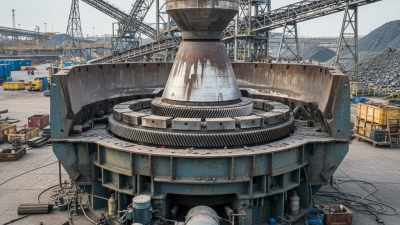
Selecting the best Gyratory Crusher Wear Parts in 2026 is not simply a matter of choosing the hardest alloy. Mantles and concave segments must match the crusher model, feed material, operating settings, and production goals. A liner that performs well in abrasive, hard rock may wear differently in softer, wetter feed. Fit matters. So does the shape of the crushing chamber.
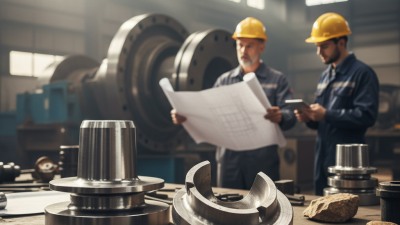
Useful comparisons look beyond the product label. Check the specified material, heat treatment, dimensional compatibility, and manufacturer documentation. Then compare these details with site records: tonnes processed, wear patterns, inspection intervals, and any changes to closed-side setting or feed gradation. Small clues count. Uneven wear near the lower mantle, for example, may point to operating conditions as well as liner design. A simple ranking can mislead; even good parts may disappoint when installation or feeding practices are poor.
This guide examines the factors that help operators assess wear-part options for 2026, including service life, crushing performance, maintenance demands, and supply reliability. It also explains why price per component may tell only part of the story. Cost per tonne and planned downtime often provide a clearer comparison, though accurate figures depend on consistent site data. There is no universal winner. The most reliable choice is one supported by verified specifications, practical operating evidence, and a clear understanding of the crusher’s duty. Operators should confirm fit and installation requirements with qualified suppliers or the equipment manufacturer before making a change.
Gyratory Wear-Part Map: Mantles, Concaves, and Feed Zones
What Are the Best Gyratory Crusher Wear Parts in 2026?
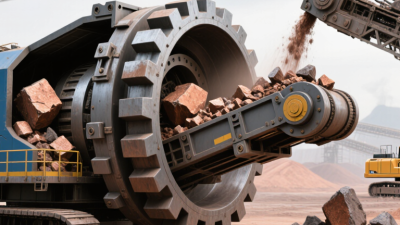
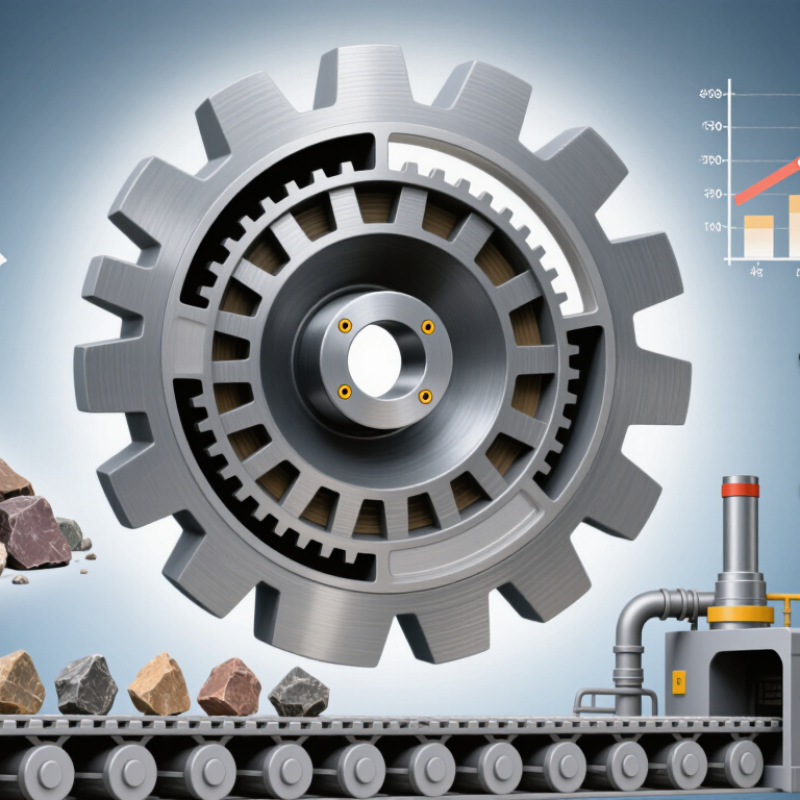
A useful wear-part map starts with the mantle, the concaves, and the feed zones. The mantle moves against the stationary concaves, crushing rock through the chamber. Their profiles shape the crushing action, product size, and available throughput. “Best” depends on the ore and operating conditions, not just the alloy name.
Check the mantle for uneven polishing, deep grooves, or a thin lower section. These marks can point to uneven feed or a chamber profile that no longer suits the material. Concaves often wear differently from top to bottom. A sharp step between worn and less-worn sections may affect material flow. Small details matter. Record measurements at repeatable points, then compare them with earlier inspections.
Feed zones deserve equal attention. A steady, centered feed helps distribute rock across the chamber; a persistent stream on one side can accelerate local wear. Look for coarse lumps, wet fines, and changes in feed size. They can shift where rock contacts the liners. Even a clean wear map can mislead if measurements are inconsistent. I would not select replacement parts from one photograph alone. Combine profile readings with operating data, feed observations, and the crusher’s service history before choosing a mantle and concave set.
Hadfield Steel Benchmarks: ASTM A128 Grade A, 11–14% Mn, ≥1.05% C
What Are the Best Gyratory Crusher Wear Parts in 2026?
Hadfield Steel Benchmarks: ASTM A128 Grade A, 11–14% Mn, ≥1.05% C
For many gyratory crusher applications, Hadfield steel is a practical wear-part benchmark. ASTM A128 Grade A specifies manganese at 11–14% and carbon at 1.05% minimum. This chemistry supports a tough, work-hardening structure when the steel is properly cast and heat-treated. Under repeated rock impacts, the surface can harden while the interior retains toughness. That balance matters on mantles and concaves exposed to heavy, uneven feed.
Chemistry alone does not guarantee service life. Heat treatment, casting quality, part fit, and feed conditions all affect wear. A poorly seated liner may develop localized wear or movement, even when its material meets the stated composition. Track operating hours, inspect contact patterns, and compare wear across the crushing chamber. Small errors matter. There is no single grade that performs best in every quarry; that limitation is easy to overlook when comparing specifications.
Tips: Confirm the material certificate shows the required carbon and manganese ranges. Check liner seating during installation, then recheck after initial operation. Record feed size and wear measurements; those details make the next selection more informed.
Work-Hardening Explained: Impact, Abrasion, and Surface Hardness
In a gyratory crusher, wear-part life depends on more than the steel’s stated hardness. Many mantle and concave parts use manganese steel, which can harden under repeated impact. The surface becomes harder while the underlying metal remains tougher. Impact matters. With enough crushing force, this balance helps resist gouging and cracking.
But work-hardening is not automatic. If feed is too fine, or the chamber is poorly loaded, parts may see too little impact to harden effectively. Abrasive rock can then wear the surface before a hardened layer develops. Surface-hardness readings alone can mislead; they do not show how deep the hardened zone extends. Check wear patterns, feed size, and operating settings together. Deep grooves may point to abrasive wear, while cracking can signal impact or fit problems. Not always, though. A single inspection rarely tells the whole story. Track measurements over several inspections, and compare them with material certificates or test data. That evidence gives a more useful basis for selecting wear parts than hardness claims alone.
What Are the Best Gyratory Crusher Wear Parts in 2026?
Work-hardening explained: impact, abrasion, and surface hardness
Austenitic manganese steel gains surface hardness under repeated impact while retaining a tougher core, making it a common choice for high-impact crusher service. High-chromium white iron is harder and abrasion-resistant, but its lower impact tolerance can limit its suitability for gyratory liners. Values are indicative typical ranges in Brinell hardness (HBW); actual results vary by grade, heat treatment, testing method, and operating conditions. Hardness alone does not determine the best wear part.
Match Liner Alloy and Profile to Feed Size, Abrasivity, and CSS
Choosing gyratory crusher wear parts starts with the rock, not the alloy label. Record feed size, the share of fines, and abrasivity; a quartz-rich feed can wear surfaces quickly. Manganese steel is commonly used where repeated crushing impacts support work-hardening. But alloy choice should reflect actual operating conditions, not a rule of thumb. Small changes matter.
Liner profile affects how material enters the chamber and where crushing pressure builds. Coarse, blocky feed may need a profile that accepts larger pieces without creating a narrow choke point. Finer feed can behave differently, especially when it packs against the concaves. Check the wear pattern across the mantle and concaves. Uneven grooves or polished areas can point to poor feed distribution, though they do not prove it.
CSS changes the crushing gap, product size, and contact between rock and liners. A tighter CSS may raise pressure and alter wear, so assess it alongside throughput and feed gradation. Measure CSS consistently, then compare liner wear over a known tonnage. Real plants are messy. A spreadsheet cannot explain every worn edge, and I would treat one inspection as a clue, not a verdict.
Compare 2026 Options by Tonnes per Liner Set and Cost per Tonne
The best gyratory crusher liner in 2026 is not automatically the one with the longest service life. Compare tonnes crushed per liner set and fully loaded cost per tonne. The USGS Mineral Commodity Summaries 2025 estimates U.S. crushed-stone output at about 1.5 billion metric tons in 2024. That scale makes small cost differences meaningful, but the report does not rank liner performance; mine records must do that.
Consider an illustrative, not industry-average, comparison. A liner set costing $36,000 and processing 120,000 tonnes costs $0.30 per tonne before installation and downtime. A $22,500 set lasting 90,000 tonnes costs $0.25 per tonne on the same basis. The cheaper set wins on purchase cost alone. Not necessarily in practice. Add labor, changeout hours, lost production, and uneven wear before deciding. For each option, use tonnes from a consistent feed and operating period, then divide total liner-related cost by tonnes processed. Record feed hardness and CSS too; otherwise, the comparison may mislead. One caveat: site data can be messy. A single unusually abrasive ore campaign can distort the result.
What Are the Best Gyratory Crusher Wear Parts in 2026? - Compare 2026 Options by Tonnes per Liner Set and Cost per Tonne
Planning comparison: The figures below are illustrative estimates for comparing options, not verified 2026 market prices or guaranteed wear-life results. Actual performance and pricing depend on crusher model, feed characteristics, operating conditions, liner profile, and supplier quotation.
| Liner-set option |
Typical application |
Illustrative set cost (USD) |
Modelled tonnes per set |
Modelled wear cost (USD/tonne) |
Selection notes |
| Standard manganese-steel set |
General-purpose crushing with suitable impact and work-hardening conditions. |
$30,000–$45,000 |
0.70–1.00 million t |
$0.030–$0.064/t |
A common baseline for comparing liner life and cost. Confirm that the alloy and profile suit the feed and operating conditions. |
| Higher-manganese-grade set |
Applications where a higher manganese specification is appropriate for the impact and work-hardening conditions. |
$35,000–$52,000 |
0.85–1.25 million t |
$0.028–$0.061/t |
Higher alloy content does not automatically deliver longer life. Compare measured tonnes per set under similar feed and operating conditions. |
| Alloy-modified manganese-steel set |
Selected duties where a modified alloy composition is specified for the application. |
$40,000–$60,000 |
0.95–1.40 million t |
$0.029–$0.063/t |
Request application-specific material and wear-life evidence. Suitability depends on feed hardness, abrasiveness, and impact conditions. |
| Application-matched profile set |
Operations where a revised mantle and concave profile is selected to suit feed size, chamber conditions, and desired product output. |
$34,000–$52,000 |
1.00–1.55 million t |
$0.022–$0.052/t |
A profile change may affect capacity, power draw, product gradation, and wear distribution. Validate the trade-offs before selection. |
Calculation basis: Wear cost per tonne is estimated as liner-set cost divided by tonnes processed per set; the low and high ends pair the lowest cost with the highest throughput and the highest cost with the lowest throughput. Set cost assumes one mantle and one concave set. Freight, taxes, installation, downtime, and other operating costs are excluded. For a site-specific comparison, use comparable operating records and current written quotations.