Top Gyratory Crusher Wear Parts Manufacturers Worldwide
Choosing among the top Gyratory Crusher Wear Parts manufacturers worldwide requires more than comparing prices. Mines need parts that survive abrasive ore, heavy impact, and long operating cycles. A mantle may look impressive in a catalog, yet fail early when its profile mismatches the feed.
Dr. Tim Napier-Munn, a respected comminution specialist, offers a practical principle: “The best crusher is the one that delivers the required product at the lowest overall cost.” This view remains valuable when evaluating Gyratory Crusher Wear Parts. Cost includes more than purchase price. It also covers downtime, liner changes, energy use, labor, and lost production.
Experienced procurement teams examine alloy composition, casting quality, dimensional accuracy, and field support. They also review wear data from similar mines. A supplier should explain how its parts perform in coarse, wet, sticky, or highly abrasive conditions. Specific evidence matters.
Look closely at the details. Does the manufacturer monitor liner thickness? Can it adjust designs after site feedback? Are delivery schedules realistic? These questions expose weak promises.
Some rankings may still oversimplify the market. Brand reputation helps, but it cannot replace operating evidence. A famous supplier may underperform in one orebody. A smaller specialist may deliver better results with closer engineering support.
This guide compares leading manufacturers through product reliability, technical capability, customization, service response, and documented experience. The goal is not to declare one universal winner. It is to identify the most suitable partner for each crushing application.
What Are Gyratory Crusher Wear Parts?
Top Gyratory Crusher Wear Parts Manufacturers Worldwide
What Are Gyratory Crusher Wear Parts?
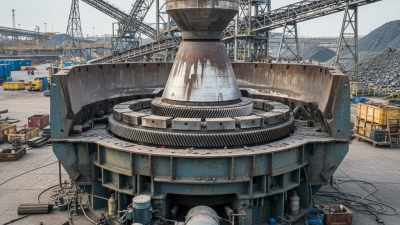
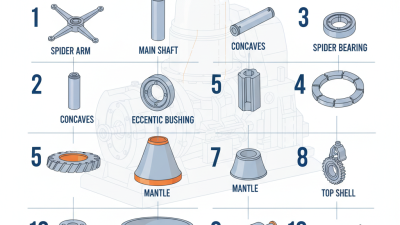
Gyratory crusher wear parts are replaceable components that protect the crushing chamber from continuous rock impact and abrasion. The main parts include the mantle and concave segments. The mantle moves inside the concaves, compressing feed material against the chamber walls. This repeated contact gradually removes metal from both surfaces.
Common parts also include spider caps, arm guards, rim liners, and chamber protection plates. Their shapes control the crushing profile and influence product size. Manganese steel is widely used because it can harden under impact. However, alloy selection should match feed hardness, moisture, abrasiveness, and operating conditions. A part that performs well in one quarry may wear quickly elsewhere. That detail is often underestimated.
A practical lesson from crusher inspections is simple: measure wear, do not guess. Uneven grooves, cracking, or a thin mantle may indicate poor feeding or misalignment. Replacement timing also matters. Waiting too long can damage supporting components and increase downtime. Replacing parts too early wastes usable metal.
Tips: Check liner thickness at several points, not just one visible area. Record operating hours, feed characteristics, and previous wear patterns. Confirm seating surfaces are clean before installation. Small gaps can create movement, noise, and premature failure. Safety procedures and qualified maintenance personnel remain essential during every inspection.
How Gyratory Crusher Wear Parts Support Crushing Operations
Gyratory crusher wear parts keep primary crushing stable under severe loads. A mantle rotates inside concaves, compressing blasted rock into a controlled product. Their profiles influence the closed-side setting, feed movement, and discharge size. When surfaces wear unevenly, the crusher may draw more power and produce oversized fragments. Small changes matter.
In field inspections, technicians measure mantle thickness, concave steps, feed opening, and discharge conditions. They compare these readings with production rate, power draw, vibration, and liner service hours. Correct fit is equally important. Poor seating can create movement, cracking, or local stress. Wear material should match the ore. Manganese steel remains widely used, while alloy choices may suit specific abrasive or impact conditions. The hardest option is not always the best option.
Planned replacement protects uptime and worker safety around heavy lifting activities. Teams can schedule parts before excessive wear damages the supporting structure. Do not wait for failure. Yet no wear plan is perfect. Feed chemistry changes, tramp material arrives, and operators may miss early warning signs. That weakness deserves review. A reliable manufacturer should provide dimensional drawings, traceability, inspection records, and practical technical support. Clear records matter. They help crews confirm fit, investigate premature wear, and improve the next maintenance cycle.
Leading Gyratory Crusher Wear Parts Manufacturers Worldwide
Leading gyratory crusher wear parts manufacturers worldwide combine proven metallurgy with practical field experience. Their products must endure constant impact, abrasive rock, and heavy crushing pressure. Experienced manufacturers study ore characteristics before recommending mantles, concaves, and other wear components. A part designed for hard granite may perform poorly in softer, highly abrasive material. Fit matters too. Accurate dimensions reduce installation delays and protect the crusher’s main frame.
Reliable manufacturers usually support their products with material certificates, dimensional records, and wear analysis. They may offer high-manganese steel, alloy options, or customized profiles for different crushing conditions. However, technical claims should be checked against operating data, not accepted immediately. A longer service-life promise can become misleading without details about feed size, moisture, chamber design, and daily production. Even experienced teams sometimes overlook these variables.
Tips:
Ask for comparable application records, inspection procedures, and clear delivery terms. Measure worn parts before ordering replacements. Keep photographs of liner profiles and monitor thickness during operation. Small records help reveal uneven wear early. Safety procedures must guide every inspection and changeout. A dependable manufacturer also communicates clearly when the selected design is unsuitable. That honesty is valuable, although it may challenge an urgent purchasing decision. Results should be reviewed after each replacement, because real quarry conditions can differ from laboratory expectations.
How Manufacturers Differ in Materials, Quality, and Compatibility
Top Gyratory Crusher Wear Parts Manufacturers Worldwide
Manufacturers differ sharply in material selection, casting control, and machine compatibility. Austenitic manganese steel remains common because it hardens under impact and compression. However, its performance depends on feed size, moisture, and crushing pressure. Some suppliers use alloyed manganese grades for abrasive applications. Others offer high-chrome or composite options where abrasion dominates. The strongest material is not always the best choice.
Quality begins before casting. Reliable producers control chemical composition, heat treatment, and cooling rates. They inspect mantles and concave segments for cracks, shrinkage, and dimensional errors. Traceability matters. A documented heat number can connect a part to test results and production records. In practical inspections, small casting defects may appear harmless, then grow under constant vibration. This is where manufacturers can disappoint, even when certificates look complete.
Compatibility requires more than matching a model number. The wear profile must suit the crusher’s chamber, mantle, eccentric setup, and feed gradation. Incorrect geometry can reduce capacity, create uneven wear, or cause dangerous contact. Check seating surfaces, bolt locations, clearances, and installation drawings with measured parts. Tips: Ask for hardness data, chemistry limits, inspection records, and a dimensional report. Compare expected wear life under your actual ore conditions, not another quarry’s results. Keep samples from removed parts when possible. They reveal wear patterns better than assumptions. Mistakes happen. Review them before ordering again.
Crusher Wear Materials: Typical Hardness and Application Fit
Typical hardness ranges show why manufacturers select different alloys for different operating conditions. Austenitic manganese steel is commonly preferred for high-impact crushing because it work-hardens in service, while high-chromium white iron provides strong abrasion resistance in lower-impact applications. Martensitic alloy steel offers a balanced combination of hardness and toughness. Actual performance depends on feed size, abrasiveness, impact energy, chamber design, heat treatment, and component compatibility.
How to Choose the Right Gyratory Crusher Wear Parts Manufacturer
Choosing the right gyratory crusher wear parts manufacturer starts with verified field experience. Ask how their liners perform in hard, abrasive ore, not only in laboratory reports. A reliable supplier should explain material grades, casting controls, heat treatment, and expected service life. Request inspection records, dimensional drawings, and references from comparable crushing duties. Details matter. A liner that fits poorly can create uneven pressure, accelerated wear, and unsafe maintenance conditions.
Technical support separates a catalog seller from a capable manufacturing partner. Engineers should review feed size, chamber profile, operating hours, CSS, and rock characteristics before recommending mantles or concaves. They should also explain trade-offs between manganese grades and performance. Do not accept vague claims. Measurable data is better. Check quality systems, traceability, nonconformance handling, and replacement consistency across production batches. Independent inspection can add confidence when downtime costs are high.
Price deserves attention, but the cheapest part may become expensive after installation. Compare total cost through wear life, delivery reliability, labor, and crusher availability. Ask about emergency production capacity and technical communication across time zones. A manufacturer with clear limitations is often more trustworthy than one promising perfect results. Still, selection is not always clean. Site data may be incomplete, and actual ore can change seasonally. Record early wear patterns, review them with the supplier, and adjust future orders based on evidence rather than assumptions.