How to Choose Gyratory Crusher Parts for Optimal Performance?
Choosing the right Gyratory Crusher Parts is crucial for achieving optimal performance in mining and aggregate operations. Renowned industry expert, Dr. John Smith, emphasizes this importance, stating, "The right components make all the difference in efficiency and longevity.” Selecting these parts requires a strategic approach, as various factors influence their performance.
Understanding the specific needs of your operation is essential. For example, the material type, the required output, and operational conditions all play a role in determining the best Gyratory Crusher Parts. Not all components are created equal. Quality and compatibility can significantly impact production rates and maintenance costs.
Feedback from experienced operators reveals that even slight miscalculations in choosing parts can lead to downtime and increased wear. It's a reminder that continuous assessment is vital. Investing time in research and expert consultations can pay off. Ideally, you'll want parts that not only fit your machine but also enhance its capabilities.

Understanding the Functionality of Gyratory Crushers
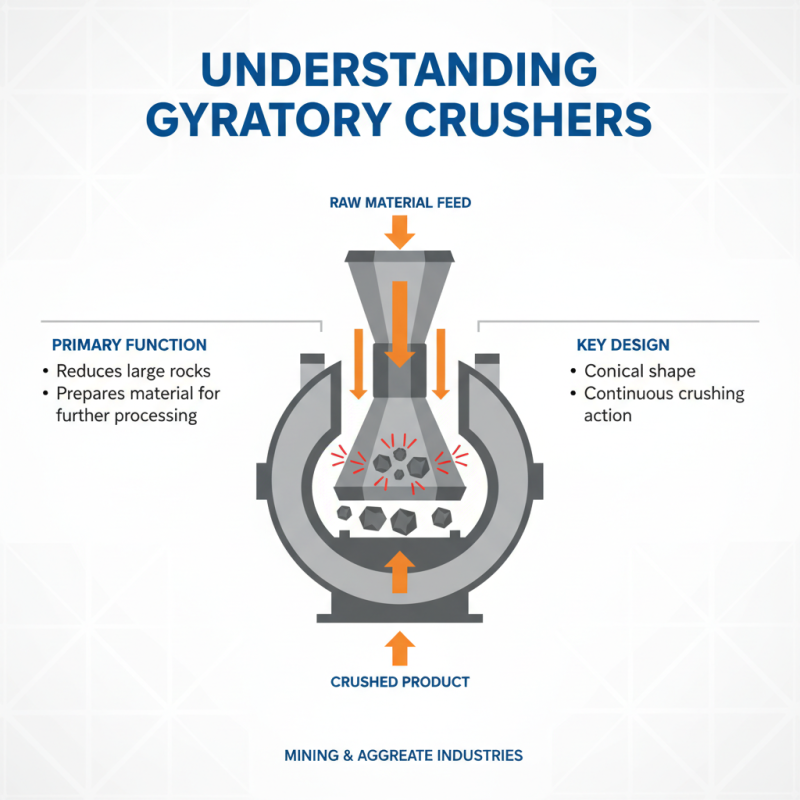
Gyratory crushers play a vital role in the mining and aggregate industries. Their primary function is to crush materials into smaller, manageable pieces. The design features a conical shape that allows for efficient material flow. This shape enables the crushing process to occur in a continuous manner. As the material moves through the crusher, it is compressed and broken down effectively.
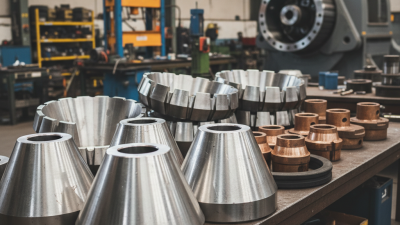
Understanding the parts of a gyratory crusher is crucial for optimum performance. Key components include the mantle and concave, which directly interact with the material. The mantle undergoes wear over time, impacting overall efficiency. Regular inspections can reveal wear patterns, guiding necessary replacements. Additionally, the spider cap and eccentric assembly should also be monitored for signs of wear. If bearing adjustments are overlooked, they can lead to operational failures.
Maintenance strategies should adapt based on operational data. Frequent adjustments can become necessary due to varying material hardness. Improper settings can lead to reduced throughput and increased energy consumption. Operators should remain vigilant about achieving the optimal balance. By emphasizing thorough knowledge of each part, operators can ensure better decision-making regarding their maintenance and replacement strategies. Each component has its own set of challenges, and continuous review is essential for long-term reliability.
Key Components of Gyratory Crusher Systems
When selecting parts for gyratory crushers, focus on the key components. The main elements include the mantle, concave, and main shaft. The mantle, which is the moving part, wears down over time due to abrasion. Choosing a durable material can enhance the mantle's lifespan. The concave, located in the outer shell, works in conjunction with the mantle. It must be replaced regularly to maintain efficiency.
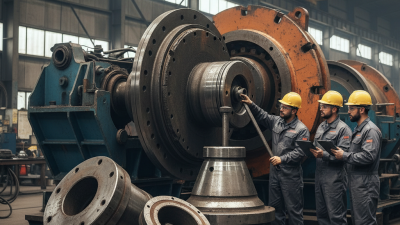
Another critical part is the main shaft, which supports the mantle. It needs to be robust to handle the pressure and weight during operation. Inspecting the main shaft regularly can prevent unexpected breakdowns. These components must fit perfectly; improper fitting can lead to costly damages and reduced performance.
Regular maintenance is essential. Ignoring wear and tear can lead to larger issues. Operators should develop a routine for checking these parts. This practice ensures optimal performance and longevity of the gyratory crusher. Over time, critical wear patterns may develop. Observing these patterns can inform future part selections and improve operational efficiency.
Gyratory Crusher Parts Performance Analysis
Factors Influencing Gyratory Crusher Parts Selection
When selecting gyratory crusher parts, various factors impact optimal performance.
Material composition is crucial. Durable materials withstand wear and tear better than lower-quality options.
For instance, high manganese steel offers excellent impact resistance. These materials can significantly extend the lifespan of components.
However, it's essential to balance cost and quality, which can sometimes be tricky.
Another important factor is the design of the components. The geometry of the liner affects the crushing process.
A well-designed liner improves efficiency and reduces energy consumption. Understanding the specific requirements of your operation can help in choosing the right design.
Yet, some might overlook this detail and face inefficiencies later.
Lastly, compatibility with existing machinery is vital.
Parts must fit seamlessly into the current system to function properly. Incorrectly sized parts can lead to mechanical failures.
Consideration of the entire operational environment is necessary. This involves assessing factors such as the type of material being crushed and the production volume.
Misjudging these can result in costly disruptions.
Quality Assessment Criteria for Gyratory Crusher Parts
Choosing the right gyratory crusher parts is essential for optimal performance. Quality assessment criteria play a crucial role in this process. One important factor is the material composition of the parts. Selecting high-grade alloys can significantly enhance durability. According to industry reports, parts made from manganese steel offer superior impact resistance and longer service life.
Another key criteria is the manufacturing process. Precision machining leads to better fit and finish, which improves operational efficiency. Many experts suggest that parts with tighter tolerances reduce wear and tear. A study indicates that parts with manufacturing tolerances of less than 0.1 mm can extend overall equipment life by up to 20%.
Tips: Always consult with professionals when selecting components. Look for supplier certifications, which indicate adherence to quality standards. Regularly inspect parts for signs of wear. This proactive approach helps avoid unexpected failures in the field. Remember, investing in quality now can save on costly repairs later.
Maintenance Tips for Enhancing Gyratory Crusher Performance
Regular maintenance is crucial for enhancing the performance of gyratory crushers. Ensuring proper lubrication can significantly reduce wear and tear on critical components. Grease fittings should be checked regularly. Insufficient lubrication can lead to overheating and eventual failure of bearings. Inspecting the oil level and quality prevents potential issues down the line.
Monitoring the wear of concave liners is also essential. Over time, these liners will wear out and affect the efficiency of crushing. Regularly examining the liners helps identify when replacements are needed. Waiting too long can lead to excessive downtime and costly repairs. Noticing the signs early can make a big difference.
Lastly, vibrations and noise are red flags that should never be ignored. Abnormal sounds might indicate misalignment or mechanical failure. Implementing a routine inspection schedule can help catch these problems early. Staying vigilant in maintenance practices can prolong the lifespan of the gyratory crusher and enhance operational efficiency.
How to Choose Gyratory Crusher Parts for Optimal Performance? - Maintenance Tips for Enhancing Gyratory Crusher Performance
| Part Type |
Material |
Replacement Interval (Hours) |
Maintenance Tips |
| Mantle |
Manganese Steel |
3000 |
Regularly inspect for wear; adjust crusher settings. |
| Concave |
High Chrome Iron |
4000 |
Check for cracks and deformation. |
| Spider |
Cast Steel |
8000 |
Examine for structural integrity; tighten bolts regularly. |
| Hydraulic System |
Standard Hydraulic Oil |
5000 |
Monitor fluid levels; replace filters as needed. |
| Drive Assembly |
Alloy Steel |
6000 |
Inspect for wear; ensure lubrication is adequate. |