2026 Top Gyratory Crusher Parts Insights and Innovations?
The Gyratory Crusher Parts market is poised for significant growth by 2026. According to recent industry reports, the global market is expected to reach approximately USD 4.5 billion. This surge is driven by increasing demand from sectors like mining and construction. Gyratory crushers are crucial for efficient material processing, making their parts indispensable for optimal performance.
Innovations in Gyratory Crusher Parts are transforming the industry. Enhanced materials and design techniques are leading to longer-lasting components. Data shows that companies adopting advanced technology are achieving up to 20% better efficiency. However, there are still challenges to address. Many companies face downtime due to wear and tear of parts. This underlines the need for continuous improvement in part durability and reliability.
As we delve into the trends and innovations shaping Gyratory Crusher Parts, it’s essential to consider user feedback and real-world applications. The insights gathered reflect the industry's commitment to not only meet but exceed operational demands. Balancing innovation with practical usability remains a key focus area. Understanding the evolving landscape will be vital for stakeholders aiming for success in this competitive environment.

Overview of Gyratory Crushers and Their Importance in Mining
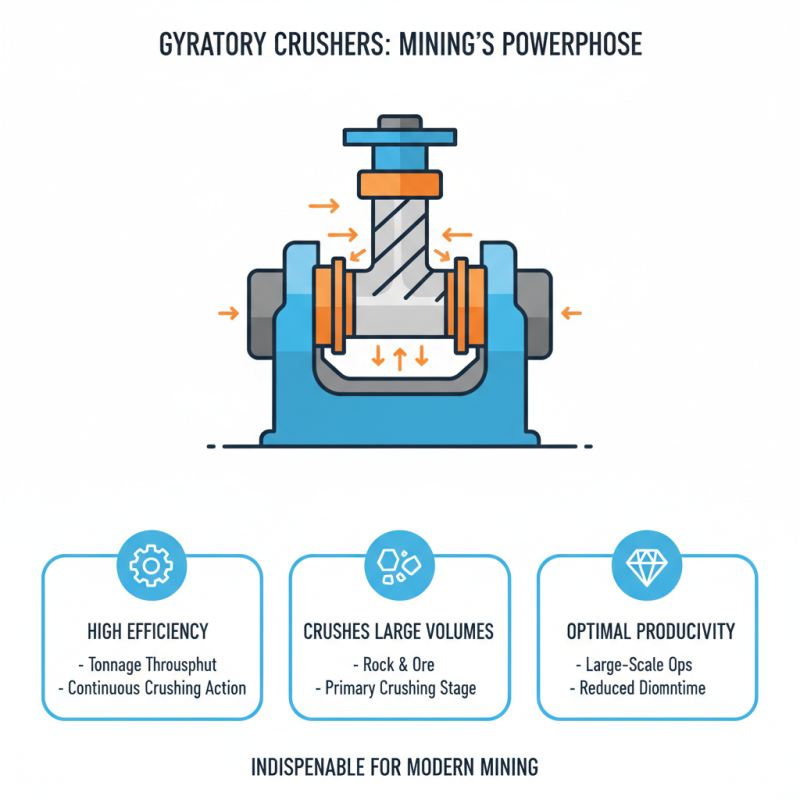
Gyratory crushers play a vital role in the mining sector. Their design allows for high crushing efficiency, making them indispensable for large-scale operations. These machines are engineered to break down significant volumes of rock and ore, ensuring optimal productivity. Understanding how they function is key to maximizing their benefits.
When using gyratory crushers, maintenance is crucial. Regular inspections can prevent costly breakdowns. Ensure that all components are well-lubricated. This prolongs the life of the machinery. Addressing minor issues early can save time and resources.
Gyratory crushers are not without challenges. High operational costs can be a concern. Wear and tear on parts is inevitable. Investing in quality components contributes to sustained performance. Evaluating different options is essential. Striking a balance between cost and durability is critical. Always keep an eye on market innovations. They can offer solutions to common issues.
Key Components and Materials Used in Gyratory Crusher Parts
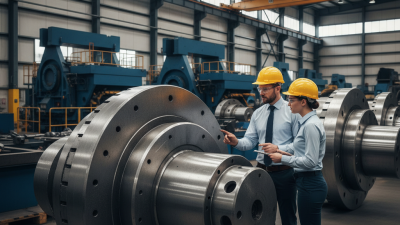
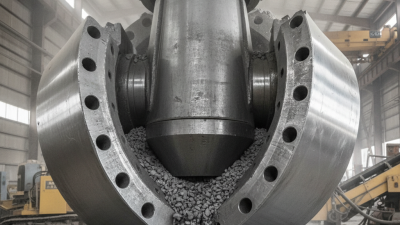
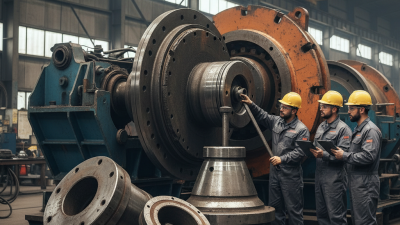
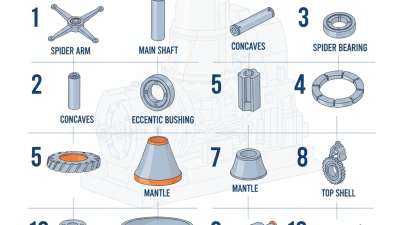
Gyratory crushers are vital in the mining and aggregate industries. Understanding their key components helps improve efficiency. Crucial parts include the mantle, concave, and spider. These elements must endure extreme conditions.
Materials used in these components vary significantly. High manganese steel is common for mantles due to its toughness. Concaves often utilize chrome-moly alloys for their strength and wear resistance. The spider is typically crafted from a heavy-duty composite.
Despite advancements, challenges remain. Wear and tear still lead to performance issues. Regular replacements are necessary to maintain operational efficiency. Analyzing the wear patterns can provide insights for future innovations. Continuous improvement is essential in this field.
Recent Technological Innovations in Gyratory Crusher Design
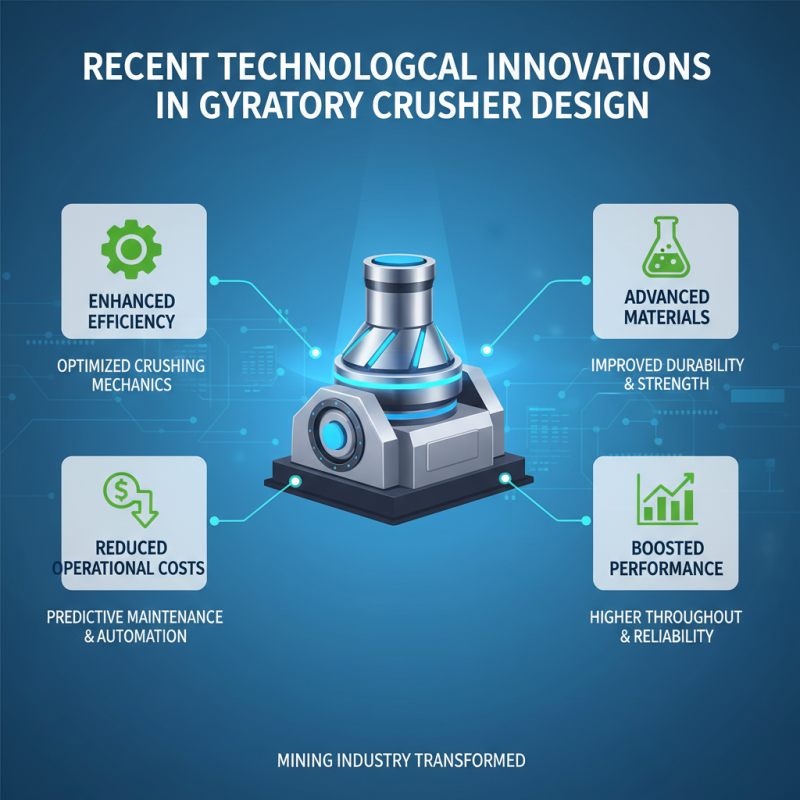
The design of gyratory crushers has evolved significantly. Innovative technologies are redefining this crucial machinery in the mining industry. These advancements enhance efficiency and reduce operational costs. By integrating advanced materials, manufacturers boost durability and performance.
Tips: Regular maintenance is key to prolonging equipment life. Failing to check wear parts can lead to costly breakdowns.
Another significant trend is automation in gyratory crushers. Smart technology facilitates real-time monitoring, improving operational accuracy. Operators can now adjust settings remotely, optimizing performance on the fly. However, reliance on automation may lead to skill gaps for human operators.
Tips: Invest in training for your team. Understanding machine nuances helps mitigate risks associated with automation reliance.
Moreover, energy-efficient designs are gaining traction. These innovations are essential in reducing environmental impacts. Transitioning to sustainable practices can also save money in the long run. Nonetheless, the initial investment can discourage some companies from upgrading older models.
Performance Enhancements: Upgrades and Improvements in 2026
The gyratory crusher industry is witnessing remarkable enhancements in 2026. Improvements are especially evident in the design and durability of key components. These advancements are driven by the need for better performance and efficiency. Enhanced wear materials contribute to longer lifespans. Moreover, innovative designs ensure better crushing efficiency.
Among the most notable upgrades is the introduction of advanced lubricating systems. These systems reduce friction and wear. They not only improve the operation but also lower maintenance costs. Operators are now able to monitor lubrication levels in real-time. This proactive approach reduces downtimes and improves workflow.
However, there are considerations to keep in mind. Not all companies adopt these innovations at the same pace. Some may struggle with the transition due to resource constraints. Training and adaptation are crucial for maximizing new features. Balancing old processes with new technologies can pose challenges. This evolving landscape creates opportunities, yet also requires careful management.
Future Trends and Predictions for Gyratory Crusher Parts Industry
The gyratory crusher parts industry is experiencing significant changes. Innovations focus on improved durability and efficiency. According to a recent industry report, the global market for gyratory crusher parts is projected to grow at a CAGR of 5.2% from 2026 to 2031. This growth is driven by advances in material technology and manufacturing processes.
One notable trend is the increasing use of high-strength alloy materials. These alloys offer better wear resistance, reducing replacement frequency. Studies show that using these materials can extend the life of wear parts by up to 30%. However, the initial investment for such materials is higher. Companies must weigh long-term savings against upfront costs.
Another emerging trend is the integration of IoT technology. Smart sensors are becoming common in modern gyratory crushers. They provide real-time data on performance and maintenance needs. However, not all companies have the resources to implement these systems effectively. This creates a gap in the market, where some manufacturers fall behind in adopting these innovations. The future of gyratory crusher parts heavily depends on balancing innovation with strategic investment decisions.