Leave Your Message

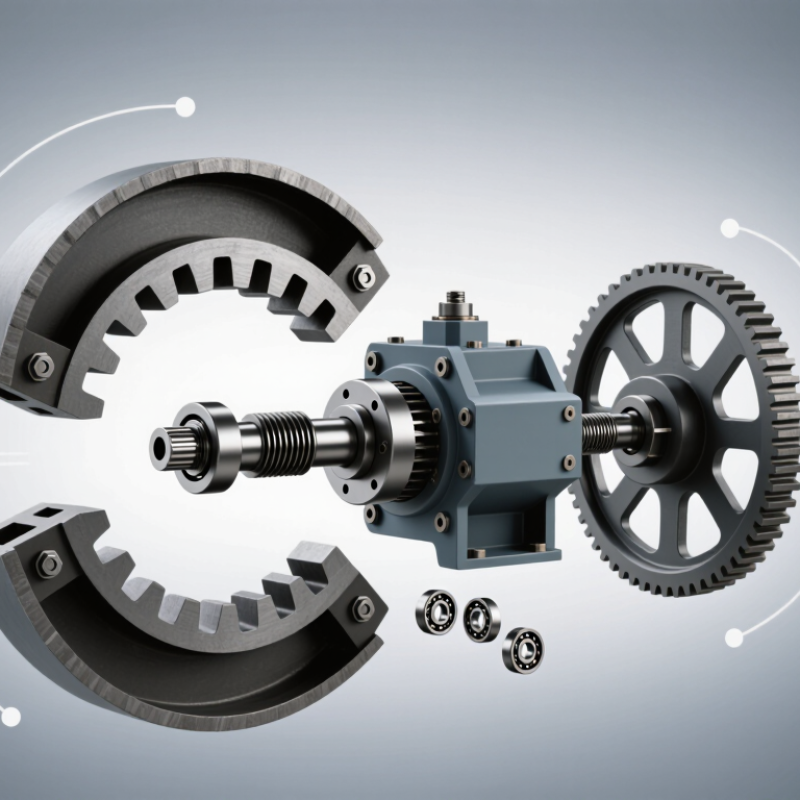
What Types of Jaw Crusher Parts Do Buyers Need?

Choosing Jaw Crusher Parts is not just a matter of comparing prices. The right parts depend on the crusher model, feed material, operating hours, and the job site’s maintenance capacity. A jaw plate that performs well on abrasive granite may wear differently when crushing softer limestone. Fit matters.

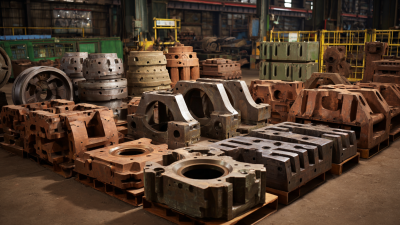
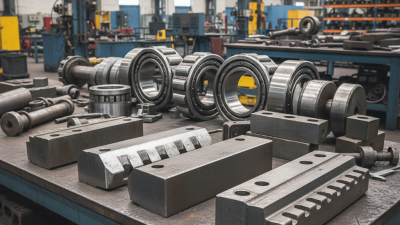
Buyers commonly need jaw plates, cheek plates, toggle plates, and sometimes toggle seats or adjustment components. These parts affect crushing performance, protect the frame, or transfer force through the machine. Bearings, eccentric shafts, flywheels, seals, and other assemblies may also be required, but they are not routine wear items in every operation. Check the parts manual and machine serial number before ordering. A small mismatch can mean installation delays or avoidable downtime.

Material grade and tooth profile deserve close attention. So do lead time, inspection records, and supplier support. Ask for dimensions and compatibility details rather than relying on a product photo. If wear is uneven, inspect feed distribution and operating settings before blaming the plate alone. That detail counts. There is no single best configuration for every quarry, and buyer assumptions can be wrong. A careful parts list, informed by actual wear patterns and service history, is usually a better starting point than choosing the cheapest available option.
What Types of Jaw Crusher Parts Do Buyers Need?

What Is a Jaw Crusher and How Does It Work?

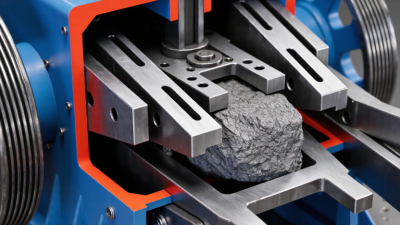
A jaw crusher reduces rock through compression. Its fixed jaw forms one side of the chamber, while a moving jaw swings toward and away from it. An eccentric shaft drives this motion, and a toggle plate helps transfer force. Crushing is cyclical. Material fed through the top is squeezed between the jaw faces, then falls when the gap opens. Smaller pieces move toward the discharge opening; larger pieces stay in the chamber for another cycle. The discharge setting affects the product size, but it does not guarantee identical fragments.

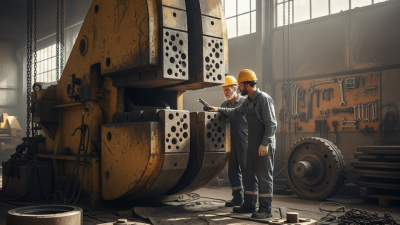
For buyers, understanding this movement helps identify parts that experience regular wear. Jaw plates contact the rock directly, so their profiles and thickness matter. The toggle plate, shaft, bearings, and flywheel support the crushing cycle and its loads. A worn jaw plate may reduce grip, while a damaged toggle plate can interrupt operation. Check clearances and wear patterns, not only part names. Even experienced crews can misread uneven wear as a material problem; feed size and chamber loading may also contribute. Inspection records help, though they are not always kept carefully. Before examining internal parts, stop and isolate the machine according to its operating instructions.
What Are the Main Components of a Jaw Crusher?

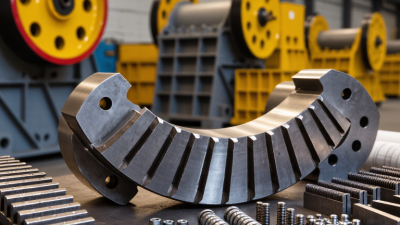
A jaw crusher’s main components work together to grip and break rock. The heavy frame supports the crushing chamber and absorbs repeated loads. Inside it, one jaw remains fixed while the other moves. Replaceable jaw plates form their working surfaces and take much of the abrasive wear. Their tooth profile affects how material is gripped, so a worn plate can reduce crushing efficiency.

The moving jaw is driven by a pitman, a thick link that transfers motion through the machine. An eccentric shaft converts rotation into the jaw’s back-and-forth movement. Bearings support the shaft and need suitable lubrication to limit heat and wear. A toggle plate sits between the pitman and frame. It transfers force and can act as a protective point if uncrushable material enters the chamber. Small part. It matters.

Cheek plates protect the chamber’s side walls, while flywheels help maintain steady motion. A tension rod and spring keep the toggle assembly in position. In practice, a parts diagram can make these components look simpler than they are; fit and operating conditions matter. During inspection, look for cracks, loose fasteners, uneven plate wear, and unusual bearing temperatures. A quick visual check helps, but it does not replace measurements or the crusher’s maintenance instructions.

What Are the Main Components of a Jaw Crusher?

A representative single-toggle jaw crusher typically has one fixed jaw plate and one movable jaw plate, supported by components such as the frame, eccentric shaft, and toggle plate. Two flywheels, cheek plates, and bearings are common. Exact configurations vary by crusher design and size.

Which Jaw Crusher Wear Parts Need Regular Replacement?

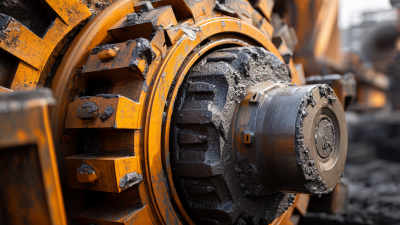
Jaw dies usually need the closest attention. They meet the rock directly, so abrasion, impact, and uneven feeding can wear their tooth profiles down. When the teeth become rounded, production may fall and the crusher may need more energy to maintain output. Inspect both dies for uneven wear, cracks, and loose fasteners. Small clues matter.

Cheek plates also wear regularly, especially where material rubs along the chamber sides. Replace them when thinning exposes the frame or creates a risk of damage. The toggle plate is different: it is not a routine wear item in every operation, but cracks, bending, or abnormal movement call for immediate inspection. There is no universal replacement interval. Rock hardness, moisture, feed size, and operating settings all affect service life. A dusty shift can hide early damage.

The scale of crushing makes inspection important. The U.S. Geological Survey’s Mineral Commodity Summaries 2024 reports about 1.5 billion tons of U.S. crushed-stone production in 2023. That figure describes production, not jaw-die life; it cannot set a safe changeout schedule. Record die measurements and operating hours, then compare wear across inspections. One limitation: measurements can be inconsistent if taken at different points. Use the same marked locations each time.

What Mechanical and Hydraulic Parts May Buyers Need?

Mechanical and hydraulic spares keep a jaw crusher running under repeated impact and heavy loads. The USGS Mineral Commodity Summaries 2024 estimated U.S. crushed-stone production at about 1.5 billion tons in 2023. That scale makes wear-part planning practical, not merely administrative. Buyers commonly check jaw plates, cheek plates, toggle plates, and toggle seats first. These parts face abrasive rock and need dimensions matched to the crusher’s feed opening and setting. Fit matters.

Mechanical components deserve equal attention. Eccentric shafts, bearings, flywheels, belts, and lubrication parts affect alignment and power transmission. A rough bearing surface or blocked oil passage can turn a routine inspection into costly downtime. Check shaft tolerances, bearing clearances, and lubrication specifications against the equipment manual. Similar-looking parts may not be interchangeable.

Hydraulic systems vary by crusher design, but buyers may need adjustment or tensioning cylinders, hoses, seals, pumps, valves, and accumulators. Inspect hose routing for abrasion and seals for leaks; even a small leak can weaken pressure control. Keep replacement seals and hoses identified by size and material, not appearance alone. The awkward part: manuals can leave details unclear. Confirm port connections and pressure ratings before ordering, especially after a previous repair has altered the assembly.

How Can Buyers Select Compatible Jaw Crusher Parts?

Selecting compatible jaw crusher parts starts with the crusher’s exact model and serial number. Record the feed opening, mounting dimensions, and the existing plate’s tooth profile. Check the operating manual or parts drawing, then confirm measurements with a caliper where possible. A plate that looks similar may still have different hole spacing or a different seat angle. Small differences can cause uneven contact, movement, or premature wear. Do not rely on appearance alone. That shortcut can be costly.

Tips: Photograph the installed part before removal. Keep its measurements and material details together. Ask the supplier to confirm fit against the machine documentation, not just a general equipment category.

Match the part material and tooth design to the rock and operating conditions. Hard, abrasive feed may call for a wear-resistant plate, while different tooth profiles can affect grip and product shape. Check the required fasteners and inspect the jaw seat for cracks or packed debris before fitting anything. A new plate cannot correct a damaged seat. Still, paperwork is not perfect; verify the part during installation, and stop if it does not sit flat or align cleanly. A qualified technician can check clearances before the crusher returns to service.