China Top 10 Scrap Metal Recycling Wear Parts Suppliers
Scrap metal recycling depends on equipment that survives demanding, unpredictable conditions. In shredders, shears, granulators, and sorting lines, wear parts face abrasion, impact, heat, and contamination. A failed liner can stop an entire production shift. The replacement decision is rarely simple. Price matters, but so do steel grade, heat treatment, fit, delivery consistency, and technical support. This guide examines China Top 10 Scrap Metal Recycling Wear Parts Suppliers, focusing on capabilities that influence real operating results.
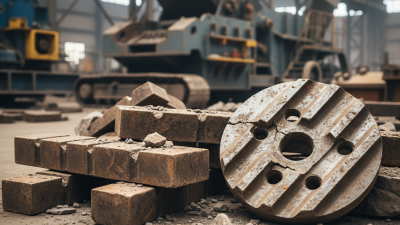
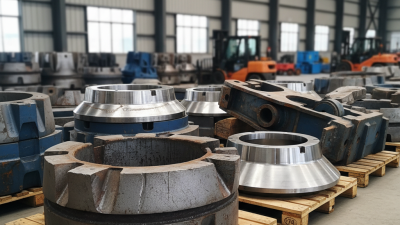
The selection considers manufacturing experience, product range, quality controls, customization, export service, and evidence of industrial use. Attention is given to shredder hammers, grates, anvils, liners, blades, and other high-wear components. Experienced buyers know that a harder part is not always a better part. Excessive hardness may increase brittleness under heavy impact. A balanced alloy can deliver steadier performance. Supplier claims still need verification. What material is processed? How often are parts inspected? Can dimensions and batches be traced? These details reveal more than polished brochures. However, reliable comparisons remain difficult when suppliers publish limited technical data.
The article also considers communication after purchase. Clear drawings, responsive engineers, and realistic lead times can prevent costly misunderstandings. No supplier is ideal for every recycling line. Some excel at large castings, while others suit custom blades or frequent small orders. The ranking should therefore be read as a practical starting point, not an absolute verdict. Actual results depend on feedstock, machine settings, maintenance, and installation quality. Readers should request samples, inspection records, and compatible dimensions before choosing. That caution is worthwhile.
Understanding Scrap Metal Recycling Wear Parts and Their Applications
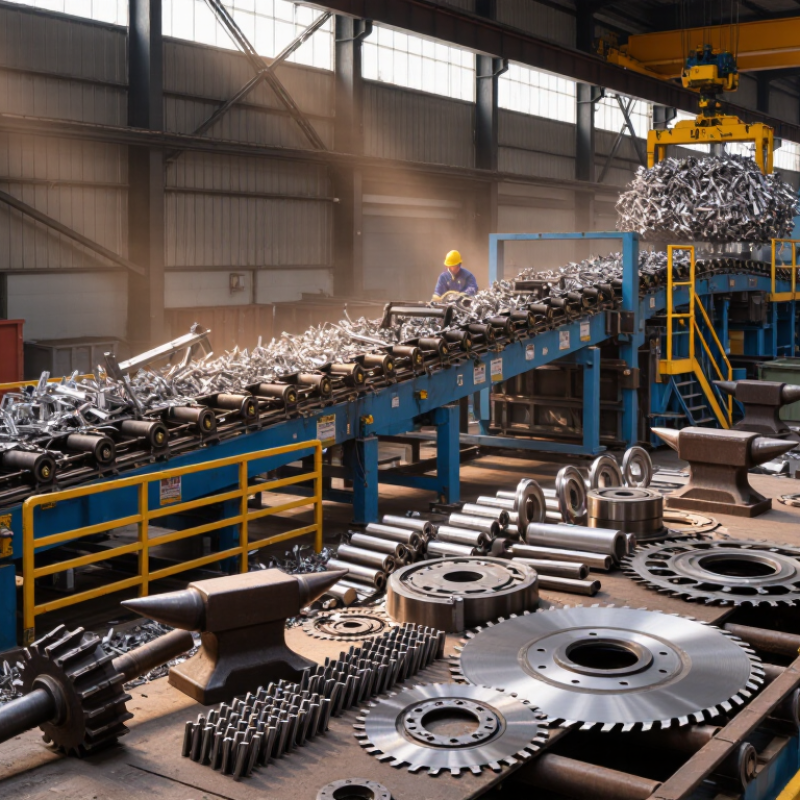
Scrap metal recycling wear parts protect machines from constant impact, abrasion, and heat.
In shredders, hammers strike mixed metal repeatedly, while liners absorb secondary impact inside the chamber. Grates control material size and endure severe friction. Cutting blades support cable, sheet, and appliance processing. Each application creates different wear patterns.
A harder part is not always better.
High hardness may resist abrasion but crack under sudden impact. Tougher alloys can survive shock, yet they may wear faster in abrasive streams.
Experienced operators inspect edges, bolt holes, and surface cracking during scheduled stoppages. Small chips often reveal larger alignment or feeding problems. They should not be ignored.
Reliable suppliers provide clear material specifications, heat-treatment records, and consistent dimensions.
Part fit matters as much as alloy selection. A poorly fitted liner can create vibration, uneven wear, and unnecessary downtime. Measurements should be taken from the actual machine, not outdated drawings alone.
This is where procurement teams sometimes make mistakes. They compare price before checking service life and replacement labor. Field trials, wear measurements, and maintenance records offer stronger evidence than attractive claims.
Supplier support also matters when feedstock changes from clean steel to painted appliances or mixed demolition metal. Constant monitoring remains necessary. No wear part performs perfectly in every recycling condition.
Key Criteria for Evaluating Chinese Wear Parts Suppliers
China Top 10 Scrap Metal Recycling Wear Parts Suppliers
When evaluating Chinese wear parts suppliers, start with the working conditions, not the sales brochure. Shredder hammers, liners, screens, and cutting edges face different stresses. A supplier should explain material chemistry, hardness ranges, impact toughness, and heat treatment methods clearly. Request inspection records for each production batch. Useful records include hardness maps, dimensional reports, and traceability codes.
Production experience matters. Ask for anonymized project examples involving similar scrap, throughput, and machine loads. Factory visits can reveal practical details: furnace controls, machining accuracy, storage conditions, and packing quality. A capable supplier should provide samples for independent testing when the application is critical. Check whether the sample matches the final production process. It should.
Communication also deserves careful review. Confirm drawings, tolerances, delivery schedules, replacement procedures, and technical support in writing. Ask how the supplier handles a failed part, not only a successful order. Response time matters during an unexpected shutdown. So does honest reporting.
No supplier is perfect. A missed tolerance may happen, but hiding it is a serious warning. Overly polished claims need verification through test data and customer references. Price alone can mislead; cheaper alloy or inconsistent heat treatment may increase downtime. Compare service life, installation effort, and total replacement cost. A reliable supplier welcomes technical questions and admits limits. That honesty is often more valuable than a confident promise.
China Top 10 Scrap Metal Recycling Wear Parts Suppliers
Key Criteria for Evaluating Chinese Wear Parts Suppliers
This neutral 100-point scorecard prioritizes measurable procurement factors for scrap metal recycling wear parts.
Product durability, material quality, and delivery reliability receive the highest weighting because they directly
affect equipment uptime, replacement frequency, and operating costs. The framework is intended for comparing suppliers
without displaying company-specific or brand-specific performance data.
Top 10 Scrap Metal Recycling Wear Parts Suppliers in China
China’s top 10 scrap metal recycling wear parts suppliers are usually evaluated through production capability, material control, and service reliability. These suppliers commonly produce shredder hammers, crusher liners, cutting blades, screen plates, and high-wear chute panels. Their workshops may use manganese steel, chromium alloy, heat-treated steel, or customized composite materials.
A dependable supplier should review the machine model, operating load, feed size, and replacement history before recommending a part.
This matters.
A hammer designed for light aluminum scrap may fail quickly against thick steel sections. Strong suppliers provide casting inspection, hardness testing, dimensional checks, and sample verification. They should also supply drawings, packing details, and traceable production records.
The leading ten suppliers often serve recycling plants, metal processors, and equipment maintenance contractors across China. Their practical value depends on more than a low quotation. Stable lead times, clear communication, export experience, and responsive technical support reduce downtime. Trial orders can reveal machining accuracy and real service life. Rankings remain imperfect because working conditions differ between plants. A supplier may perform well in one yard but poorly in another. Buyers should compare documented test results, warranty terms, and replacement costs before making a decision. Some factories also need better feedback collection. That weakness deserves attention.
How to Select the Right Supplier for Your Recycling Equipment
Choosing among China’s top 10 scrap metal recycling wear parts suppliers requires more than comparing prices. Your equipment, material mix, and operating hours should guide the decision. A supplier experienced with demolition steel may not understand abrasive aluminum residue or mixed industrial scrap.
Start with the part’s working conditions. Share drawings, dimensions, machine model, feed size, and replacement records. Ask about alloy composition, heat treatment, hardness, and impact resistance. Reliable suppliers can explain why one steel grade suits your application better than another. They should also provide inspection records and traceable production information.
Request a sample or a small trial order before committing to large volumes. Check tooth edges, bolt holes, surface finish, and fit after installation. Measure service life under similar workloads, not in ideal conditions. Ask how quality problems are handled, including replacement procedures and response times. Clear technical communication matters when wear patterns change unexpectedly.
Look beyond the purchase price. Compare expected service life, downtime, freight, and installation labor. A cheaper part may become expensive after repeated failures. I once focused too heavily on unit cost, and the decision caused unnecessary delays. That mistake still influences my supplier checks.
Confirm production capacity and realistic delivery dates. Ask whether the supplier can maintain consistent specifications across repeat orders. Avoid vague promises. Good documentation is not exciting, but it prevents confusion. The right supplier should act as a technical partner, not merely a parts seller.