China Top Scrap Metal Recycling Wear Parts Suppliers
China has become a major sourcing base for Scrap Metal Recycling Wear Parts, serving demanding yards and processing facilities worldwide. These components face constant impact, abrasion, heat, and irregular feedstock. A weak part can create costly downtime within hours.
This guide examines China’s leading suppliers through practical purchasing criteria. It considers material grades, casting quality, heat treatment, machining accuracy, and replacement support. Experienced suppliers should explain how their parts perform in shredders, shears, balers, and sorting systems. They should also provide drawings, inspection records, and traceable production information. Clear communication matters, especially when dimensions must match an existing machine.
Real performance is not proven by photographs alone. Ask about hardness testing, chemical analysis, impact resistance, and field references. A reliable manufacturer may show wear data from comparable recycling operations. Factory audits can reveal more than polished brochures. Look for organized machining areas, controlled storage, and consistent inspection procedures.
No supplier is perfect. That matters.
Some product claims remain difficult to verify. Buyers should compare evidence rather than accept impressive promises. Delivery speed, packaging quality, technical response, and warranty terms also deserve attention. In practice, the cheapest component may cost more after repeated failures. The best choice balances service life, fit, maintenance needs, and total operating cost. This overview offers a realistic framework for evaluating China’s top suppliers and selecting wear parts with greater confidence. However, actual results still depend on machine settings, material mix, operator habits, and maintenance discipline. Expect variation. Measure it.
Scrap-Recycling Wear Parts: Roles, Materials, and Failure Modes (ASTM)
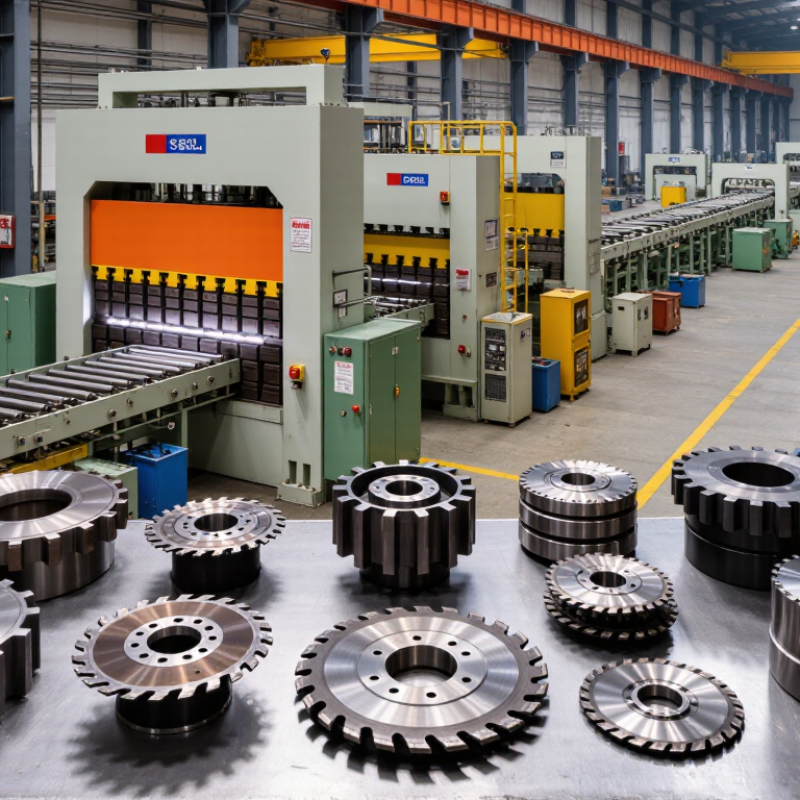
Scrap-recycling wear parts protect shredders, crushers, and sorting equipment from constant impact and abrasion. Hammers, liners, grates, anvils, and cutter blades keep production moving. Their material choice depends on the scrap stream. Mixed steel creates severe impact. Shredded appliances may add glass, copper, and hidden contaminants.
Manganese steel suits high-impact zones because it can harden during service. High-chromium white iron offers strong resistance against sliding abrasion. Alloy steel provides a practical balance between toughness and hardness. ASTM specifications and test methods can support material verification, hardness checks, and chemical analysis. They do not replace field experience. A part may meet a standard and still fail early if its geometry, heat treatment, or installation is unsuitable.
Common failure modes include abrasive thinning, impact cracking, fatigue, thermal checking, and bolt-hole enlargement. Inspect the fracture surface. A bright, brittle break suggests insufficient toughness, while deep grooves suggest abrasive wear. In practice, measurements are sometimes taken too late. That mistake costs more than the part itself.
Tips: Match hardness with impact conditions, not only catalog figures. Record operating hours and tonnage. Photograph worn edges before replacement. Check fasteners and mounting seats. Ask suppliers for heat-treatment records, inspection data, and traceable test results. One detail is often missed: uneven feeding can damage a good wear part.
China’s 2023 Steel Output Reached 1.019 Billion Tonnes (NBS)
China Top Scrap Metal Recycling Wear Parts Suppliers
China’s crude steel output reached 1.019 billion tonnes in 2023, according to the National Bureau of Statistics (NBS). This scale creates continuous demand for scrap processing, sorting, shearing, and conveying equipment. Wear parts face abrasive steel fragments, impact loads, heat, and irregular feeding. Reliable suppliers should understand these working conditions, not only quote a low unit price. Material selection often matters more than appearance.
For shredder liners, hammers, blades, and crusher plates, buyers should request hardness data, alloy composition, heat-treatment records, and dimensional tolerances. A useful supplier can explain why a manganese alloy suits impact, while a hardened tool steel may suit cutting edges. Trial samples should be checked after actual shifts, especially around bolt holes and corners. Those areas fail early. Surface hardness alone is insufficient. It can hide weak cores or poor heat treatment.
The NBS figure also signals a large and changing feedstock base, including demolition steel, appliances, and end-of-life machinery. Suppliers need practical feedback from operators, maintenance logs, and replacement intervals.
A good quotation includes drawings, inspection steps, packaging details, and realistic lead times. Yet specifications are never perfect. Feedstock moisture, contamination, and operator habits can change service life sharply. Buyers should compare measured wear, not promises.
Recycled Steel Feedstock: 240.7 Million Tonnes Used in 2023 (CISA)
China’s steel recycling sector used 240.7 million tonnes of recycled steel feedstock in 2023, according to the China Iron and Steel Association (CISA). This volume shows how strongly secondary steel supports industrial production and scrap processing.
Wear parts suppliers serve this demanding cycle with shredder hammers, crusher liners, screens, and conveyor components. These parts face heavy impact, sharp edges, heat, and constant vibration. In a busy yard, a worn hammer can reduce throughput quickly. A damaged liner may also increase energy use and produce uneven material sizes.
Material selection needs practical evidence, not only catalogue claims. High-manganese steel can suit impact-heavy applications, while hardened alloys may perform better against abrasion. The right choice depends on feedstock, machine speed, moisture, and maintenance habits. It is easy to overlook these details.
Traceable heat treatment, dimensional inspection, and batch records improve supplier reliability. Buyers should review hardness data and replacement intervals before comparing prices. Yet no component lasts forever. Recycled feedstock changes from one delivery to another, so even a well-designed wear part may perform inconsistently. That is a weakness worth monitoring. Suppliers that collect field feedback can adjust alloy grades, geometry, and maintenance guidance more responsibly.
China Steel Feedstock Context in 2023
Recycled steel feedstock used in China reached 240.7 million tonnes in 2023, compared with approximately 1,019.0 million tonnes of crude steel production.
The recycled steel feedstock figure represents approximately 23.6% of China’s 2023 crude steel output. Source: China Iron and Steel Association (CISA) and China National Bureau of Statistics.
How to Rank Chinese Suppliers: Hardness, Impact, ISO 9001, and Lead Time
China’s top scrap metal recycling wear parts suppliers should be ranked by evidence, not polished catalog photos.
In field purchasing, hardness is only a starting point. Ask for the stated hardness range, test method, and sampling frequency. A replacement hammer may measure 52 HRC, yet perform poorly if the alloy lacks toughness. Request recent laboratory reports tied to the actual production batch.
Impact resistance matters when mixed scrap contains bolts, cast pieces, or occasional tramp metal. Review Charpy impact results, chemical composition, and heat-treatment records.
Better suppliers explain failure patterns instead of promising unlimited service life. A short testing video can help, but it never replaces an independent report.
I have seen attractive samples crack near mounting holes. That detail changed the supplier ranking.
ISO 9001 certification supports process control, but it does not guarantee superior wear life. Check the certificate’s scope, audit status, and corrective-action records.
Then inspect machining tolerances, packing methods, and traceability labels during a factory audit.
Lead time needs equal attention. Compare production time, inspection time, port handling, and replacement-part response. Ask for a written schedule with realistic buffer days.
Some suppliers quote seven days before checking alloy availability. That is a warning. A trial order can reveal communication gaps, dimensional variation, and whether promised documents arrive with the shipment. Keep scoring transparent, and record every exception.