Leave Your Message

2026 Top Swing Jaw Crusher Plate Manufacturers Suppliers?

Choosing a Swing Jaw Crusher Plate supplier in 2026 is not just a price comparison. The plate affects wear life, product shape, and how often a crusher must stop for maintenance. A small difference in tooth profile or alloy composition can matter when processing abrasive rock. Ask suppliers for material specifications, heat-treatment details, and test records—not only a glossy product sheet.

Look closely at the parts behind the claims. Does the manufacturer offer plates matched to your crusher model? Can it explain manganese-steel grades, casting controls, and expected wear patterns for your feed material? Request references from comparable operations, plus clear terms for lead times and replacement support. Photos of cast surfaces and machined mounting areas can help, but they cannot replace inspection or documented quality checks. That distinction is easy to overlook.

This guide examines manufacturers and suppliers through practical criteria: product range, technical support, quality documentation, customization, and delivery capability. It also considers how to compare quotations without treating the lowest figure as the best value. Wear results vary with feed size, operating settings, and maintenance habits, so published service-life estimates need context. No supplier list can settle every application. Verify the details for your own machine, and ask direct questions when evidence is thin. That takes a little time. It may prevent a costly mismatch.
2026 Top Swing Jaw Crusher Plate Manufacturers Suppliers?

Swing Jaw Crusher Plates: Definition, Design, and Main Applications

Swing Jaw Crusher Plates: Definition, Design, and Main Applications

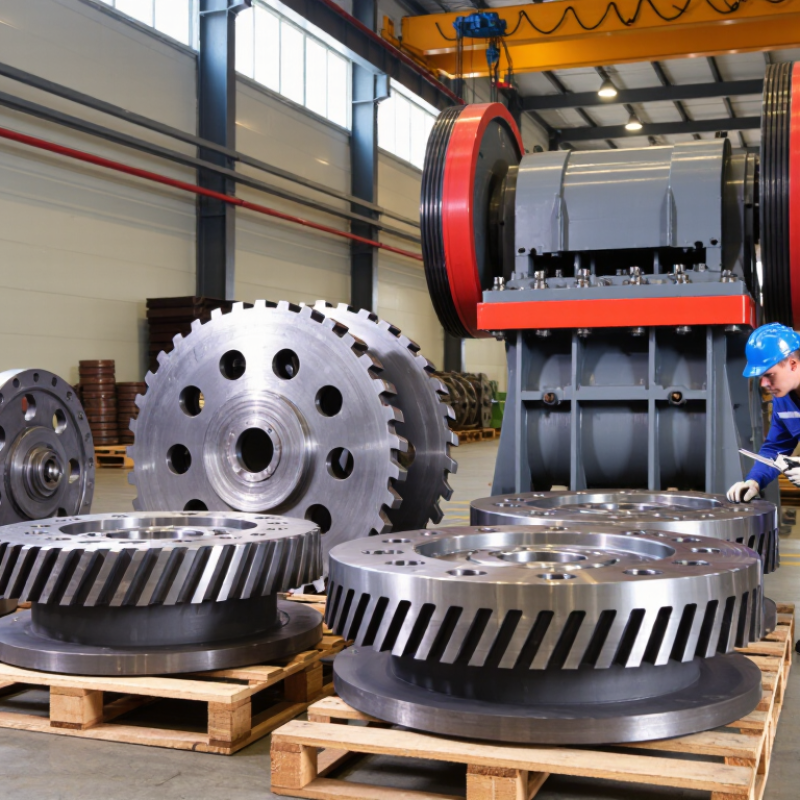
A swing jaw crusher plate is the replaceable wear surface attached to a crusher’s moving jaw. It works opposite the fixed jaw, gripping and compressing feed as the jaw swings. Plate design affects how material enters the crushing chamber, breaks apart, and exits. Common profiles use raised teeth or ridges to improve grip. The right shape depends on feed size, material hardness, and the required product. Small differences matter.

Plates are often made from wear-resistant steel, with thickness and tooth geometry selected for the machine and operating conditions. In practice, abrasive rock can wear the lower section faster, while sticky feed may pack between ridges. That can reduce capacity. Swing jaw plates are used in quarrying, mining, and recycling, where equipment processes rock, ore, or concrete. A profile that performs well on paper may wear unevenly on site, so operating records and regular inspections are useful.

Tips: Check for cracks, loose seating, and uneven tooth wear during maintenance. Match the plate profile to the feed, not just the desired output size. If wear appears early, review feed conditions and alignment before changing the plate design.
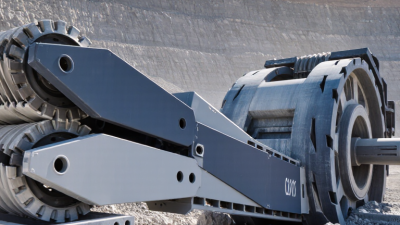
Key Factors for Choosing a Swing Jaw Crusher Plate Manufacturer

Key Factors for Choosing a Swing Jaw Crusher Plate Manufacturer

Choosing a swing jaw crusher plate manufacturer requires more than comparing prices. Start with material quality. Manganese steel or alloy steel should match your rock type, feed size, and crushing cycle. A reliable supplier explains hardness, chemical composition, and expected wear life clearly. Ask for test reports and production records. Vague promises are warning signs.

Fit is equally important. The plate must match the crusher’s chamber, mounting holes, tooth profile, and working angle. Request accurate drawings before production. Experienced suppliers can review your equipment model and previous wear patterns. They should also offer practical advice on thickness and profile selection. Small errors can cause uneven wear, vibration, or costly downtime.

Check quality control at every stage. Look for heat-treatment records, dimensional inspections, surface checks, and traceable batch numbers. Delivery capability matters when a plate fails during peak production. Confirm lead times, packaging protection, replacement policies, and technical support. A supplier that answers quickly is useful, but response speed alone proves little. Ask for references from similar quarry or mining applications.

Field conditions often differ from laboratory results. A promised service life may not match abrasive stone, wet feed, or poor maintenance. This is where careful suppliers remain honest. They should discuss uncertainty and help compare actual wear data after installation. No manufacturer gets every batch perfect. What matters is whether problems are measured, reported, and corrected.

2026 Comparison of Leading Swing Jaw Crusher Plate Suppliers

2026 Comparison of Leading Swing Jaw Crusher Plate Suppliers

In 2026, leading swing jaw crusher plate suppliers compete through material quality, casting control, and after-sales support. Experienced quarry teams often compare manganese steel grades, plate profiles, and expected wear life before ordering. A reliable supplier should provide heat-treatment records, dimensional reports, and traceable production batches. These details reduce fitting problems during installation. They also support safer maintenance planning.

Price alone can mislead. A lower-cost plate may wear quickly under abrasive feed or uneven loading. Compare thickness, tooth design, alloy composition, and delivery consistency. Ask for field data from similar crushing conditions. Suppliers with strong technical teams can recommend profiles for hard rock, recycled concrete, or mixed feed. However, test results may not perfectly predict every site. Real operating feedback still matters.

Tips: Request one sample plate before a large purchase. Check the mounting holes and seating surfaces carefully. Measure wear after several shifts. Keep photographs and operating notes. Do not ignore small cracks, uneven teeth, or unusual vibration. These signs may reveal poor casting quality or incorrect installation. A practical comparison should include total operating cost, not only the initial quotation. Supplier communication is important, but written evidence is better.

Materials, Manufacturing Standards, and Quality Inspection Methods

Swing Jaw Crusher Plates: Materials, Manufacturing Standards, and Inspection

A jaw plate faces repeated impact, abrasion, and pressure, so alloy chemistry alone cannot predict service life. ASTM A128/A128M covers austenitic manganese-steel castings; its grades include carbon ranges near 1.0–1.4% and manganese content of at least 11%. These figures are useful checks, not a guarantee of performance. Ask suppliers for heat-by-heat chemical analysis and traceability linking each plate to its melt and casting records.

Heat matters. Pouring temperature, mold design, and heat treatment affect soundness and toughness. A certificate cannot show every hidden defect.

A practical inspection plan checks dimensions against the crusher drawing, then reviews casting surfaces for cracks, shrinkage, and cold shuts. Use agreed non-destructive testing where geometry and material allow; coarse-grained manganese steel can complicate ultrasonic readings. For hardness, ISO 6506-1 describes Brinell testing, while ISO 148-1 covers Charpy impact testing.

Results should identify test locations and specimen conditions, not just report a single number. Not hardness alone.

Compare samples from multiple locations, and retain records for each production batch. One weak point: suppliers may present polished coupons that do not represent the plate’s thickest section. Require sampling rules before production, and review them with the foundry.

Ordering, Pricing, Maintenance, and Supplier Evaluation Guide

Ordering a swing jaw crusher plate starts with accurate machine details, not a generic size. Share the crusher model, plate dimensions, mounting pattern, feed material, and operating conditions. A clear drawing helps prevent costly fit problems. Ask suppliers for material specifications, heat-treatment records, dimensional inspection results, and a realistic production schedule. Details matter.

Compare quotes on equal terms. Check whether pricing includes machining, protective packing, freight, and any stated warranty. Lead time matters too, especially when a worn plate is already limiting production. A low quote can become expensive if the plate needs rework or arrives late. Ask how deviations are handled, and request written answers rather than relying on a quick call.

Maintenance needs depend on material, workload, and the crusher’s operating instructions. Inspect the plate for uneven wear, cracks, loose fasteners, and changes in product size during planned shutdowns. Replace or reposition plates only when the machine design and supplier guidance allow it. For supplier evaluation, look for traceable inspection documents, responsive technical support, and clear communication after delivery. No checklist removes every risk; buyers should question assumptions, including their own wear estimates.