Leave Your Message

How to Understand Cone Crusher Components for Better Performance?

Understanding cone crusher components is crucial for optimal performance. These machines are integral to various industries, particularly in mining and construction. The components work together to crush rocks and aggregate materials efficiently.

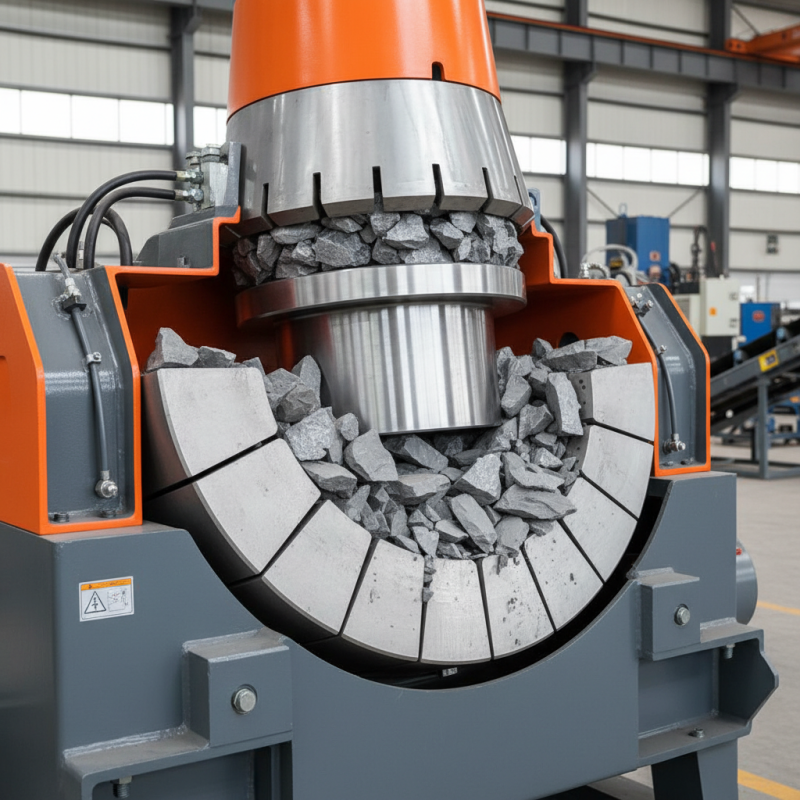
Cone crusher components include the mantle, concave, and crushing chamber. Each part has a specific role in the crushing process. A well-maintained cone crusher ensures consistent output and reduces operational costs. However, neglecting any component can lead to reduced efficiency and increased wear.

Investing time in understanding these components can yield significant benefits. Knowledge of cone crusher components helps operators make informed decisions in maintenance and operation. An intelligent approach can prevent costly downtime. It's essential to reflect on your current practices and ensure they align with the equipment's best use. The balance between performance and maintenance starts with knowing your tools.
How to Understand Cone Crusher Components for Better Performance?

Understanding the Role of the Cone Crusher in Aggregate Production

How to Understand Cone Crusher Components for Better Performance?

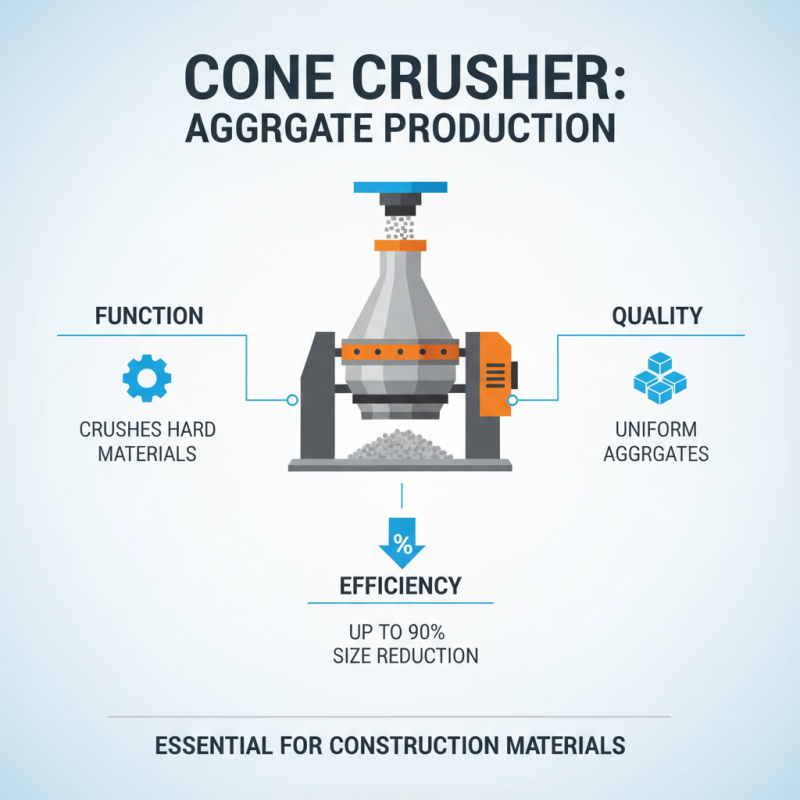
In aggregate production, the cone crusher plays a vital role in achieving efficiency and quality. This machine is designed to crush hard materials, offering a significant reduction in particle size. Reports indicate that effective cone crushers can achieve up to 90% reduction ratios, making them essential in the production line. Their ability to produce uniformly sized aggregates enhances the final product's quality, crucial for construction projects.

The performance of a cone crusher depends heavily on its components, including the mantle and concave. These parts interact during the crushing process, dictating the overall efficiency of the machine. Industry studies suggest that regular maintenance of these components can lead to a 20–30% increase in service life. However, many operators overlook this, leading to unexpected downtime and costly repairs. This oversight underscores the importance of understanding each component's role for better performance.

Operators often face challenges in balancing throughput and product size. Modifying the crusher's settings can address this but may require trial and error. Optimal settings vary based on the material type and desired output. Therefore, continuous monitoring and adjustment are essential for achieving maximum productivity. Understanding these nuances allows for improved performance and reliability in aggregate production.
Key Components of Cone Crushers and Their Functions

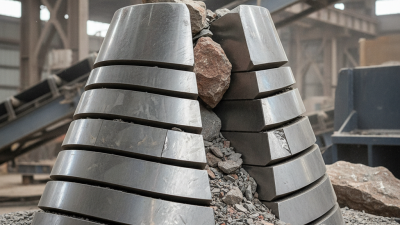
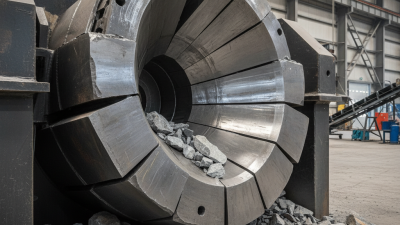
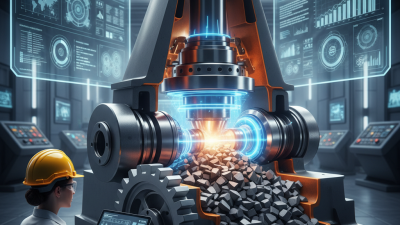
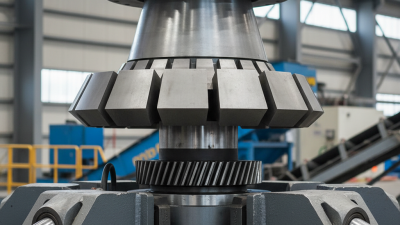
Cone crushers are vital in the mining and construction industries. Understanding their key components can boost machine performance. One primary part is the mantle, which crushes rocks against the bowl liner. The shape and wear of the mantle directly affect product size and output. If the mantle is worn unevenly, it results in poor crushing efficiency.

Another important component is the bowl liner. It works alongside the mantle to trap and crush materials. Regular inspection helps identify wear patterns. A worn bowl liner needs immediate replacement to maintain optimal performance. Additionally, the hydraulic system controls the crusher's adjustment and protects it from overload. If hydraulic pressure is inconsistent, it can lead to equipment failure and increased maintenance costs.

The feed hopper and the discharge conveyor are also critical. The hopper ensures a steady material supply, while the conveyor efficiently moves crushed material. If the flow is disrupted, it can cause blockages and reduce productivity. Regular checks of these components can highlight issues before they escalate, ensuring smoother operation and better overall performance.

The Importance of Proper Maintenance for Cone Crusher Longevity

Proper maintenance of a cone crusher is crucial for its longevity and performance. Data shows that regular inspections can reduce downtime by up to 30%. Neglecting routine checks may lead to costly repairs. Components like the mantle and concave suffer wear over time. If they are not monitored, the efficiency drops significantly.

Lubrication is another key factor. Studies indicate that proper lubrication can extend component life by 50%. Insufficient oil can cause overheating and premature failure. Operators must ensure that oil levels and quality are regularly checked.

Additionally, understanding wear patterns is essential. Operators may overlook subtle changes, which can indicate underlying issues. An early detection system can facilitate timely maintenance, significantly improving equipment reliability. Neglecting these factors can lead to severe operational losses. Regular training and updates on best practices are vital to mitigate these risks.

Impact of Cone Crusher Maintenance on Performance

Performance Metrics: Evaluating Cone Crusher Efficiency Through Data

Evaluating the efficiency of cone crushers is essential for optimal performance. Cone crushers operate based on a series of metrics that indicate their effectiveness in processing material. Key performance metrics include throughput, reduction ratio, and power consumption. A report by the Mining Industry Association states that efficient cone crushers can achieve a throughput of 200-300 tons per hour. This capacity is crucial for large-scale operations, where downtime can lead to significant losses.

Power consumption is another critical metric. The average power requirement for a standard cone crusher is between 90 to 120 kW. However, data suggests that many machines operate at less than 70% of their maximum capacity, indicating room for improvement. Properly maintained machines can enhance this number, but many businesses overlook regular maintenance checks. Factors such as incorrect settings and wear can drastically reduce efficiency.

Another metric worth considering is the reduction ratio, which measures the size of the material before and after crushing. Typical reduction ratios range from 4:1 to 6:1. However, achieving a high reduction ratio often requires specific adjustments and configurations. Reflecting on operational efficiencies is essential. Companies should analyze data to identify bottlenecks. This can lead to increased production and a better return on investment.

Troubleshooting Common Issues with Cone Crusher Components

How to Understand Cone Crusher Components for Better Performance?

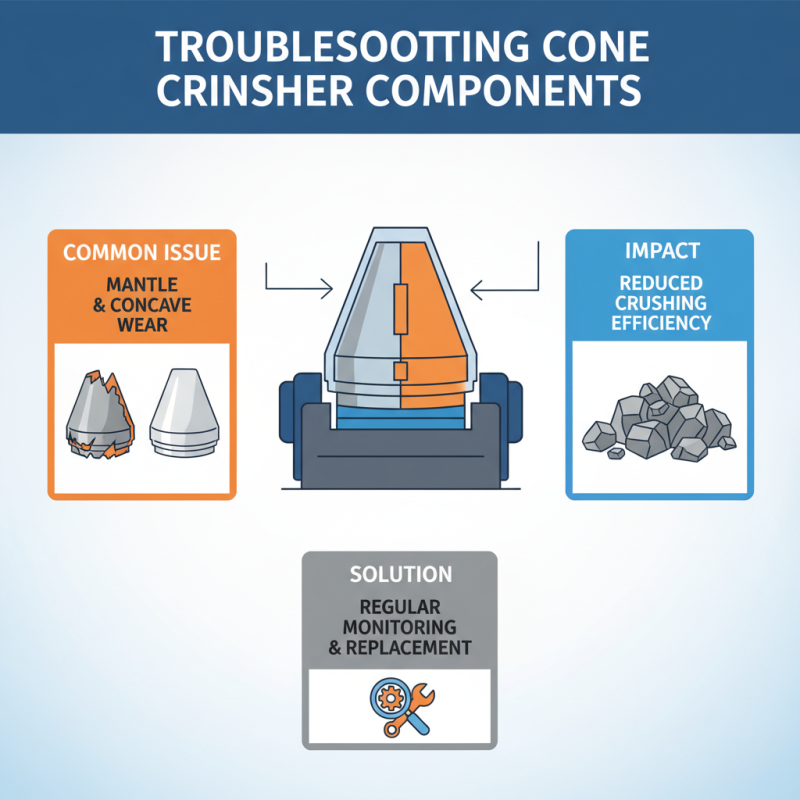
Understanding the common issues with cone crusher components can greatly enhance performance. One frequent problem is the wear of the mantle and concave. Over time, these parts degrade, affecting the crushing efficiency. It's essential to monitor their condition regularly to ensure optimal operation.

Another common issue is the misalignment of components. When parts are not aligned correctly, it can lead to increased wear and potential mechanical failure. Regular checks and adjustments can prevent these costly problems.

**Tips**: Regular lubrication can prevent overheating. Check bolts and nuts for tightness frequently. Use a calibrated gauge to ensure correct spacing.

Hydraulic systems may also fail due to leaks or pressure loss. A decrease in hydraulic pressure affects the machine’s functionality. Inspecting hoses and seals can help identify issues before they escalate. Regular maintenance is crucial.

**Tips**: Implement a daily inspection routine. Look for cracks or signs of fatigue. Early detection is key to reliability.