Understanding the working principles of jaw crushers is essential for anyone in the construction and mining industries. Jaw Crusher Working not only shapes material handling but also influences efficiency. According to a report by MarketsandMarkets, the global crushing equipment market is expected to reach $4.9 billion by 2026, highlighting the vital role of these machines.
The operation of a jaw crusher involves various technical aspects, such as motion, material input, and output. Each element is critical for optimizing performance. Industry experts note that improper understanding of these principles can lead to operational inefficiencies. It is vital to grasp how jaw crushers compress and fracture materials, as this knowledge impacts productivity.
Moreover, many operators overlook the importance of maintenance and adjustment. Regular checks and adjustments are necessary to keep performance at peak levels. Data from the National Mining Association suggests that preventive maintenance can reduce machine downtime significantly. Investing in this knowledge can enhance reliability and, ultimately, profitability. Thus, an in-depth understanding of Jaw Crusher Working principles is not just beneficial but necessary.
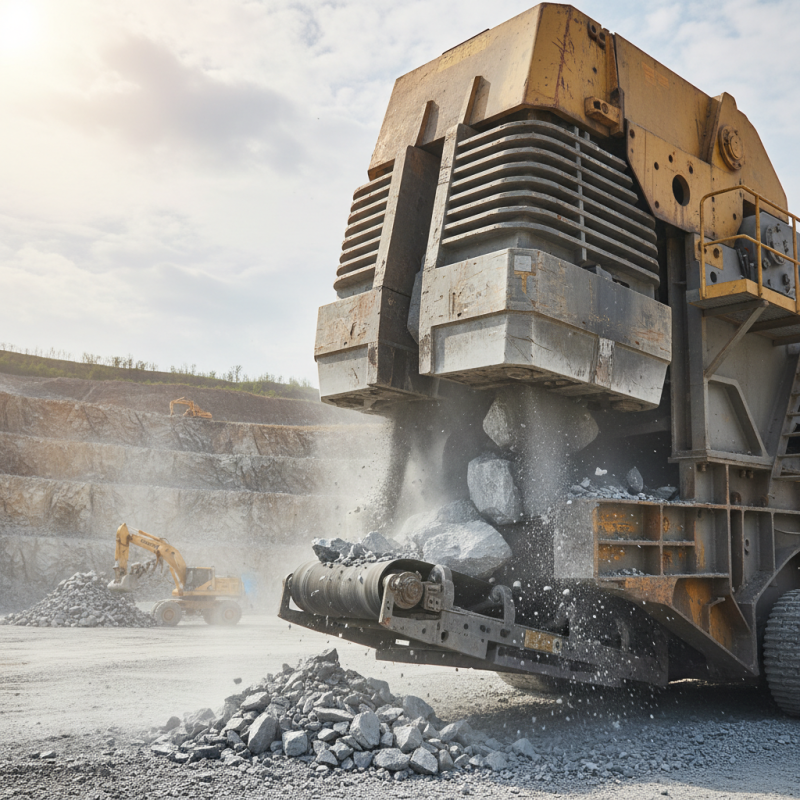
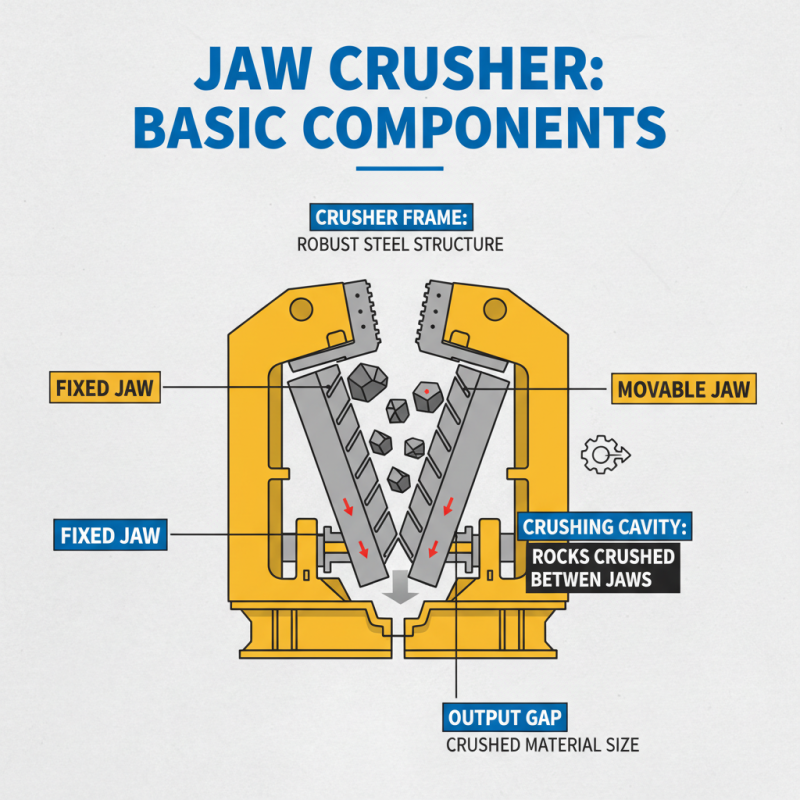
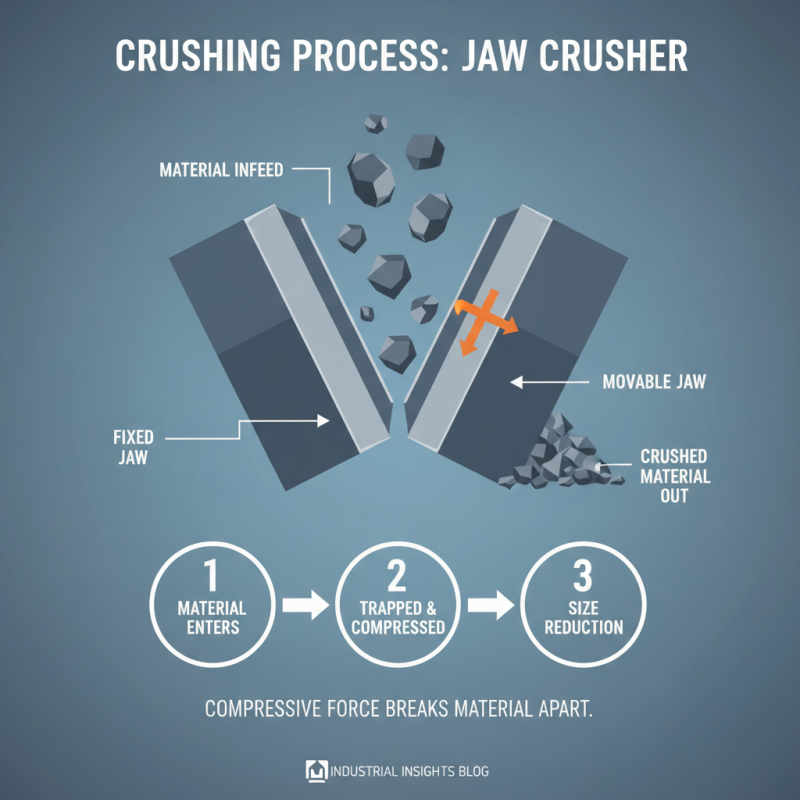
A jaw crusher consists of several key components that work together to crush materials. The main part is the crusher frame, typically made of robust steel. It provides the structure and supports the other parts. The fixed jaw and the movable jaw are critical elements in this machinery. They create a V-shaped cavity where rocks are fed in. As the movable jaw moves, it crushes the material against the fixed jaw.
The toggle plate is a less obvious, yet essential, part of the jaw crusher. It absorbs shock and ensures a smooth operation. Over time, this plate may wear down. Regular inspection is crucial to maintain performance and prevent failure. Another important component is the eccentric shaft, which drives the upper part of the movable jaw. This mechanism is pivotal for generating the crushing motion.
Some might not consider the role of the discharge opening. It’s where crushed material exits the crusher. The size of this opening can impact efficiency and product quality. Mishandling this area can lead to blockages. It's essential for operators to understand and monitor all these components carefully. Each part should be checked for wear and tear. Regular maintenance can significantly extend the lifespan of the jaw crusher.
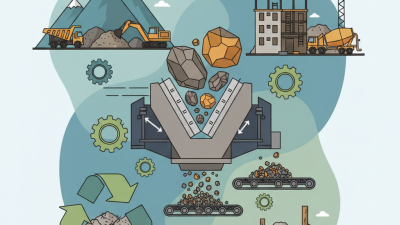
The mechanism behind jaw crusher movement is both fascinating and crucial for understanding their function. Jaw crushers operate through a simple but effective design. A movable jaw exerts force on rock, breaking it into smaller pieces. This movement is powered by an eccentric shaft. The dynamic motion helps to achieve the high crushing ratio of 6:1 or greater, essential in mining and recycling applications.
In technical terms, the crushing action occurs during the closing stroke of the jaw plate. As the rock enters the crushing chamber, it is compressed against the fixed jaw. This transition is where fractures begin to form. Studies reveal that optimal jaw movement can result in energy efficiency rates exceeding 30%. Furthermore, excessive wear on components is something operators must consider. Over time, excessive wear can lead to variations in crushing performance and reduced throughput.
Recent industry insights indicate that advancements in design and materials are addressing some inefficiencies. However, the tendency for jaw crushers to become less efficient over time is a drawback that shouldn't be overlooked. Ensuring regular maintenance and inspections is vital for sustaining performance. Understanding this movement mechanism is key to maximizing a jaw crusher's lifespan and effectiveness in various applications.
| Principle | Description | Benefits |
|---|---|---|
| Crushing Mechanism | Utilizes compressive force to break materials by squeezing and fracturing. | Effective for a variety of materials; minimal dust generated. |
| Mechanical Advantage | Employs a lever mechanism to achieve a higher output force. | Increases energy efficiency; requires less power for operation. |
| Jaw Movement | Features a back-and-forth movement to crush materials. | Allows for uniform particle size; reduces wear on the machine. |
| Toggle Plate | Acts as a safety device that absorbs shock during crushing. | Enhances durability; protects against overloads. |
| Feed Size | Optimal feed size enables better crushing efficiency. | Maximizes throughput and reduces operational costs. |
| Closing Stroke | Determines the final size of crushed material through adjustable stroke settings. | Customizable output to meet specific requirements. |
| Crushing Chamber Design | Shapes and angles of the chamber impact crushing effectiveness. | Improves material flow and reduces blockages. |
| Material Type | Different materials require specific jaw designs for optimal performance. | Ensures longevity of the crusher; enhances performance. |
| Maintenance Procedures | Regular maintenance ensures smooth operation and longevity. | Reduces downtime and operational costs. |
| Safety Features | Built-in safety mechanisms to prevent operator injuries. | Promotes safe operation; complies with regulations. |
Jaw crushers are essential in the mining and construction industries. They come in various types, each serving different purposes. The most common types include the single-toggle and double-toggle jaw crushers. Each design has its strengths and weaknesses. Single-toggle crushers are known for their simplicity. They have fewer moving parts, which can lead to lower maintenance costs. However, they may not perform as well with harder materials.
On the other hand, double-toggle jaw crushers are heavier and more robust. They are better suited for tough jobs. Their design allows for greater crushing power. But they also come with higher operating costs. Another variation is the overhead eccentric jaw crusher. This design uses a rotating eccentric shaft, allowing for a more aggressive crushing motion. It can result in finer material sizes, but it may require more energy.
Each type of jaw crusher has operational differences that affect productivity and efficiency. Understanding these nuances is crucial for optimal performance. Some designs may struggle with certain types of materials, leading to inefficiencies. Operators must choose the right crusher based on their specific needs and the materials they handle. The selection process involves careful consideration of these operational characteristics.
This chart represents the efficiency percentages of various types of jaw crushers based on their working principles. Knowing these values can help in selecting the right type of jaw crusher for specific operational needs.
The crushing process in jaw crushers is fundamental to material reduction. When material enters a jaw crusher, it is trapped between two hardened surfaces: the movable jaw and the fixed jaw. As the movable jaw progresses towards the fixed jaw, it creates a compressive force. This force reduces the size of the material, breaking it apart.
During operation, the angle between the jaws plays a crucial role. A larger angle results in a more aggressive crushing action. The material is crushed in multiple stages, ensuring a more uniform output size. However, achieving consistency is often a challenge. Variations in feed material can affect the efficiency of the crushing process. Essentially, the operator must monitor the machine closely to address any discrepancies.
Over time, wear and tear on the jaws can also impact performance. Replacing worn jaws is necessary to maintain optimal efficiency. Regular maintenance is vital. It ensures the machine operates within design parameters, which is essential for effective crushing. Experience and understanding of these factors lead to better results in material handling.
Efficiency is key when it comes to jaw crushers. Several factors influence their performance, impacting both productivity and operational costs. Understanding these factors can lead to better decision-making for maintenance and operation.
One major factor is the crusher's design. A well-designed jaw plate can dramatically increase efficiency. The angle of the jaws also matters; different settings yield varied outcomes. Material type and size significantly affect crushing performance. The hardness and moisture content of the material can change how effectively a jaw crusher performs.
Tips: Regularly inspect jaw plates for wear. Replace them before they are too worn down. Also, consider the size and type of feed materials. Experiment with different settings for optimal results. Monitoring the entire crushing process helps identify areas needing improvement. Always ensure proper lubrication to minimize friction and wear. This simple practice can lead to increased efficiency over time.