Leave Your Message

China Top Cone Crusher Components Manufacturers

Cone crushers work under steady pressure, sharp impact, and abrasive feed. Their liners, mantles, bowl liners, and other Cone Crusher Components influence throughput, product size, and maintenance intervals. The scale of material processing helps explain why component quality matters. The U.S. Geological Survey’s Mineral Commodity Summaries 2024 estimated U.S. crushed-stone production at about 1.5 billion tons in 2023. Its copper summary reported global mine production of approximately 22 million metric tons that year. These figures describe demand for aggregates and mined materials, not crusher-component sales. Still, they show the demanding environments these machines serve.

China has a broad industrial supply base, but “top manufacturer” should mean more than a polished catalog. Buyers should examine material specifications, heat-treatment controls, dimensional tolerances, traceability, and documented wear-test results. Ask how the supplier checks alloy composition and measures hardness across each production batch. Fit matters. Even a well-made mantle can cause trouble if its profile or seating dimensions do not match the crusher. Manufacturer rankings also vary by product range and verification method; public data rarely supports one definitive list. That deserves caution. A neat catalog is not proof of long service life, and an attractive unit price can hide inconsistent quality. This guide introduces leading Chinese manufacturers and practical ways to assess them, while encouraging buyers to verify claims through samples, inspection records, and operating references. Minor differences matter. A few millimeters can affect installation, wear patterns, and downtime.
China Top Cone Crusher Components Manufacturers

Cone Crusher Components and Their Core Functions

Cone Crusher Components and Their Core Functions

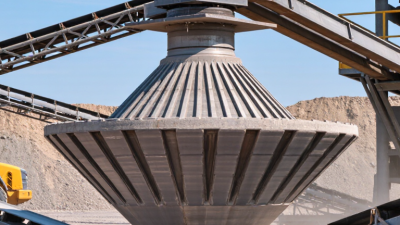
A cone crusher works through several parts sharing one load. The mantle moves against the stationary concave liner, compressing rock inside the chamber. Their profile controls the crushing zone and product shape. A worn liner can change both, sometimes before the product looks obviously different.

The eccentric assembly turns the main shaft and creates the mantle’s gyrating motion. Bearings support this movement, while the frame carries the crushing force. Hydraulic systems can adjust the setting or release tramp material. Lubrication matters too. Contaminated oil or restricted flow can quickly damage bearings. Small details count.

The USGS Mineral Commodity Summaries 2024 estimated U.S. crushed-stone production at about 1.5 billion tons in 2023. That scale makes component durability and inspection practical priorities, though output data alone cannot predict wear at a specific site.

In routine checks, operators can compare liner wear, listen for unusual bearing noise, and track oil temperature. A small caveat: wear patterns also reflect feed size, hardness, moisture, and operating settings. There is no universal replacement interval. Record measurements consistently, and review them against the machine’s operating conditions.
China’s Cone Crusher Component Manufacturing Industry

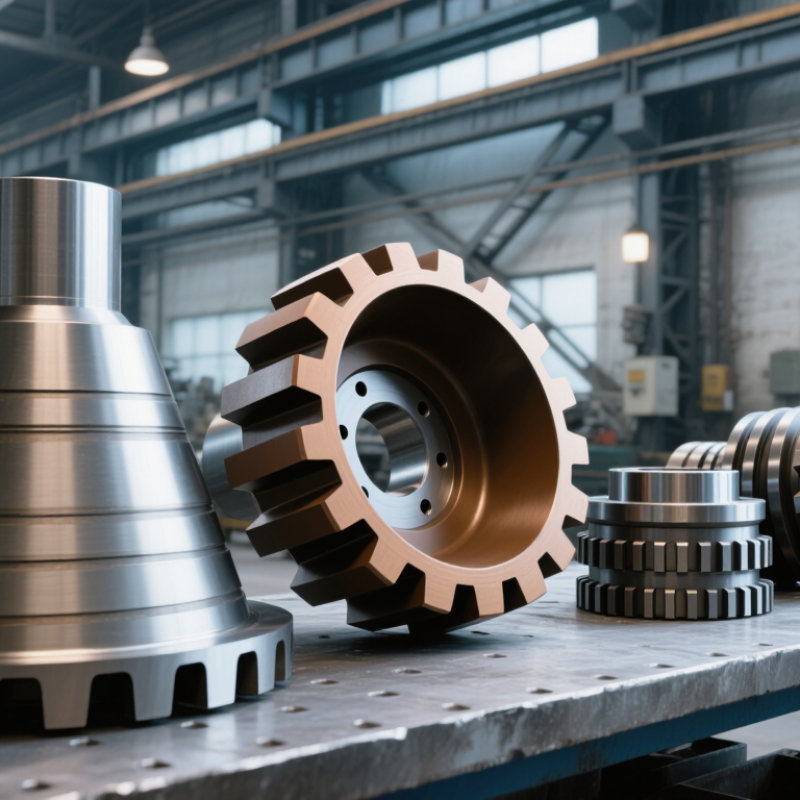
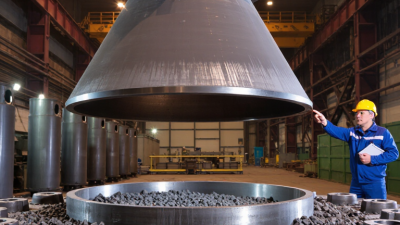
China’s cone crusher component manufacturing industry supplies parts for mines, quarries, and aggregate plants. Its output includes mantles, bowl liners, main shafts, bushings, and gears. These components face repeated impact, vibration, and abrasive rock. Material choice and accurate machining affect service life and equipment fit.

Manufacturers typically combine casting, heat treatment, and precision machining. A liner’s profile must match the crusher’s crushing chamber. A shaft needs consistent dimensions at bearing and seal surfaces. Fit matters. Even small deviations can cause uneven wear, extra vibration, or difficult assembly. Inspection may include hardness checks, dimensional measurements, and visual review for casting defects.

Production capacity is only part of the picture. Buyers also need clear material specifications, inspection records, and dependable replacement-part sizing. Local supply can shorten transport times, but lead times still vary with custom designs and casting schedules. Quality can differ between suppliers, so technical documents deserve close review. One detail is easy to overlook: a part that fits on paper may perform differently under local feed conditions. Manufacturers and plant teams should compare wear patterns and operating data, then adjust specifications when needed. There is no perfect component for every site.

Key Materials and Production Processes

Cone crusher components face repeated impact, abrasion, and heavy compressive loads. Mantles and concaves are commonly made from manganese steel, which can work-harden under impact. The exact grade depends on ore hardness, feed size, and operating conditions. Hardness alone can mislead. A poorly matched liner may wear unevenly or reduce throughput.

Production quality starts with a sound casting. Foundries control melt chemistry and pouring temperature to limit defects in thick sections. After casting, components may receive solution heat treatment and rapid water quenching. This helps develop the intended structure, but temperature records and cooling consistency matter. Even a small process variation can affect service life. That detail is easy to overlook.

Other parts need different material choices. Main shafts often use alloy steel, forged or cast to suit their design and load. Machining then brings bearing seats and fitting surfaces to specified dimensions. Inspection can include ultrasonic testing, hardness checks, and dimensional measurement. Still, test results do not replace field feedback. Wear patterns, crack locations, and maintenance records help manufacturers refine material selection and production controls for each application.

Quality Standards and Performance Testing

China Top Cone Crusher Components Manufacturers

Quality Standards and Performance Testing

Reliable cone crusher components begin with clear material and dimensional requirements. For mantles, concaves, and other wear parts, manufacturers should verify alloy composition and hardness against documented specifications. A handheld analyzer can check alloy content, while hardness readings reveal uneven heat treatment.

Small defects matter.

Dimensions need equal attention. Inspect key seating surfaces, wall thickness, and mounting interfaces with calibrated gauges or coordinate measurement equipment. A mismatch of only a few millimeters can affect fit, vibration, or wear patterns. Keep inspection records linked to each production batch, not just a sample report.

Performance testing should reflect actual operating conditions as closely as practical. Controlled load tests can expose cracking, looseness, or abnormal temperature changes before shipment. Non-destructive checks, such as ultrasonic inspection, may help locate internal flaws in castings. Yet no test fully recreates an abrasive quarry environment. Test plans also vary, and that can make supplier comparisons difficult. Ask for the method, acceptance limits, and results—not only a certificate. Repeat the test when readings look inconsistent. This takes time, but it gives maintenance teams clearer evidence when choosing replacement components.

How to Evaluate Chinese Component Manufacturers

China Top Cone Crusher Components Manufacturers
How to Evaluate Chinese Component Manufacturers

Evaluate more than the quoted price. For a mantle or concave, check the material grade, heat-treatment process, and wear profile against your operating conditions. Ask for a clear drawing with tolerances, not just a product photo. Small details matter.

Review material certificates and heat-treatment records, then compare them with the component drawing and purchase specification. Confirm inspection tools are calibrated and key dimensions are recorded for each production lot. A polished sample proves little if batch controls are unclear. Request references from users working with similar feed size and abrasiveness. Their experience may reveal fit issues or uneven wear that a factory visit cannot show. Communication matters, too. Notice how the supplier responds when a measurement falls outside tolerance; this can feel awkward, but it is worth asking.

Tips: Request a sample inspection report and agree on critical dimensions before production. Keep one worn component for comparison after installation. It may not tell the whole story, but it can guide a more useful review.

China Cone Crusher Components: How to Evaluate Manufacturers

Suggested evaluation weights for comparing suppliers—not measured rankings or market statistics. Verify material certificates, dimensional compatibility, inspection records, wear performance, documentation, and delivery commitments for each specific component.