Top Bowl Liner Cone Crusher Manufacturers for Global Buyers
Selecting a reliable Bowl Liner Cone Crusher manufacturer can directly affect crushing efficiency, maintenance costs, and plant uptime. Global buyers need more than a competitive quotation. They need stable metallurgy, accurate dimensions, responsive communication, and dependable delivery. A liner may look like a simple wear part. It is not.
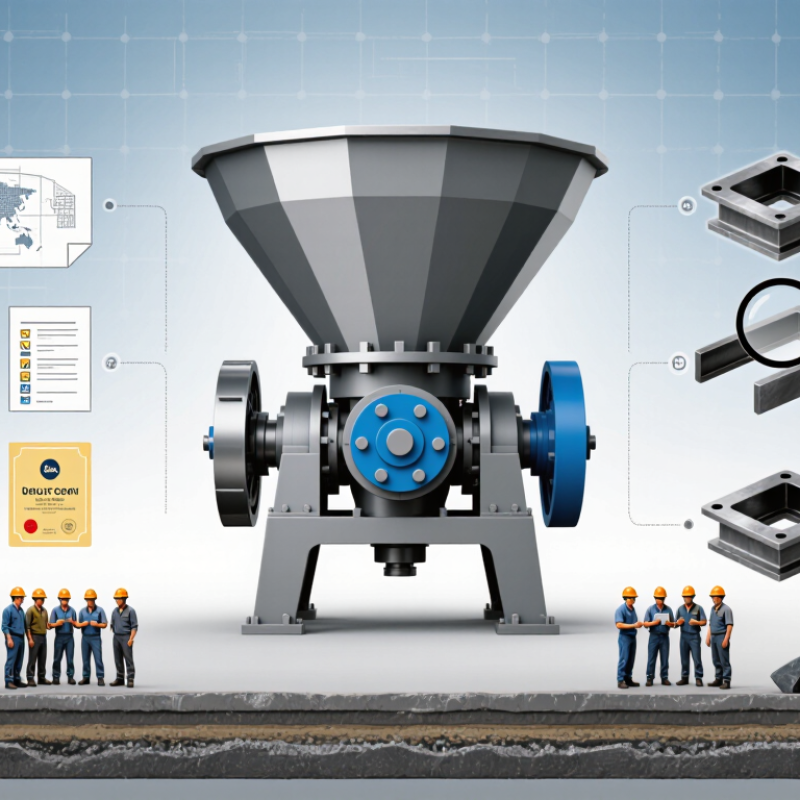
In quarry and mining operations, manganese steel composition, casting quality, and surface hardness influence service life. Poor fitting can create uneven wear, vibration, or unexpected downtime. This guide reviews leading manufacturers through practical purchasing criteria, including foundry experience, production capacity, quality control, export performance, and after-sales support. It also considers whether suppliers can provide drawings, inspection records, material certificates, and test results. These documents help buyers verify claims rather than depend on polished marketing language.
Real operating conditions matter. Abrasive rock, feed size, moisture, and crushing pressure can change liner performance. A manufacturer with engineering experience should ask about these details before recommending a model. Buyers should also examine packaging, replacement lead times, warranty terms, and technical assistance. Small details matter.
No manufacturer is perfect. Even experienced foundries may face casting delays, communication gaps, or inconsistent batches. That reality deserves attention. Careful buyers should request references, compare samples, and clarify acceptance standards before placing an order. The strongest suppliers explain limitations openly and support decisions with measurable evidence. This introduction sets a practical foundation for evaluating Bowl Liner Cone Crusher manufacturers with greater confidence, technical awareness, and purchasing discipline.
Cone Crusher Bowl Liners: Functions, Materials, and Key Industry Terms
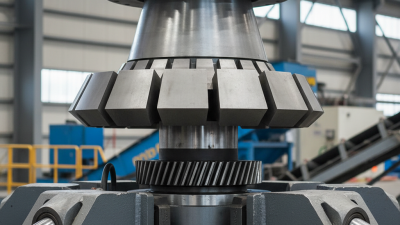
Cone crusher bowl liners are replaceable wear parts positioned inside the crushing chamber. They work against the mantle, compressing stone until it reaches the selected closed-side setting, or CSS. The liner profile controls feed entry, product size, and chamber volume. Small geometry changes can alter power draw and circulating load.
Material selection depends on rock hardness, feed size, and operating pressure. Manganese steel remains common because it work-hardens under repeated compression and impact. High-chrome iron can suit abrasive, lower-impact applications, but it may fracture under severe shock. USGS Mineral Commodity Summaries 2025 estimated 1.5 billion metric tons of crushed stone were produced in the United States during 2024. That scale explains why liner life, downtime, and consistent gradation matter to global buyers.
Experienced maintenance teams check liner thickness, discharge shape, and feed distribution together. A choke-fed chamber usually supports steadier wear than an irregularly fed chamber. The term “bowl liner” may also appear as “concave” in procurement documents. Buyers should request hardness ranges, casting records, heat-treatment details, and dimensional tolerances. ISO 21873 terminology helps clarify mobile crushing equipment specifications, although it does not replace site testing. A practical inspection includes checking loose bolts, uneven gaps, and localized polishing. Something is often missed: longer wear life is not always better. A harder liner can reduce replacement frequency, yet increase breakage risk or change the final product curve. Field trials remain necessary.
How 11–14% Manganese Steel Improves Bowl Liner Wear Resistance
For global buyers, bowl liner selection starts with steel chemistry, not a supplier’s sales claim. An 11–14% manganese steel grade is widely used for cone crusher bowl liners. Under repeated compression and impact, its surface hardens while the inner metal retains toughness. This balance helps the liner resist gouging from abrasive rock and survive sudden feed changes. The effect is practical. Fresh liner surfaces often show a gradual increase in hardness during operation.
However, manganese content alone does not determine wear resistance. Proper heat treatment, controlled casting, and accurate bowl fit matter just as much. A well-alloyed liner can still fail early if the feed contains oversized tramp material. Incorrect closed-side settings may create uneven pressure and localized cracking. Moisture, clay, and poor feed distribution can also change the wear pattern. These details are easy to underestimate.
Experienced maintenance teams record liner weight, operating hours, feed size, and discharge results. Buyers should request material certificates, hardness data, and inspection records from manufacturers. Comparing these records is more reliable than comparing advertised percentages. Liner thickness should match the crusher model and expected duty, with safe seating against the bowl. Wear life is not a fixed promise. Rock type and operating discipline often decide the final result. A small trial order can reveal weaknesses before a large procurement. That step may seem cautious, but it prevents expensive assumptions.
Leading Global Manufacturers and Their Cone Crusher Liner Technologies
Top Bowl Liner Cone Crusher Manufacturers for Global Buyers
Leading global manufacturers develop bowl liner technologies around wear conditions, feed size, and crushing pressure. Their engineers study operating records before recommending a liner profile. Material selection matters greatly. Manganese steel suits impact-heavy applications and can harden during operation. High-chrome alloys may perform better in abrasive, lower-impact environments. Some manufacturers also use microalloyed compositions for improved toughness and service consistency.
Modern production combines casting control, digital design, and field testing. Three-dimensional scanning helps engineers compare worn liners with original profiles. Simulation tools can identify stress around the bowl, seating areas, and locking surfaces. Controlled heat treatment supports stable hardness across thick and thin sections. Small profile changes can improve chamber utilization, reduce recirculation, and maintain more consistent product sizing.
Real experience still matters.
Global buyers should request material certificates, dimensional inspection records, and documented wear data. Reliable manufacturers explain expected service hours under specific feed conditions, rather than promising universal results. They also provide installation guidance and replacement measurements for different crusher models. A liner that performs well in hard granite may underperform in wet, sticky ore. That difference is often overlooked. No liner design is perfect, and trial results may reveal unexpected wear near the feed opening. Careful feedback allows manufacturers to refine profiles, alloy choices, and maintenance intervals for future production.
How to Compare Liner Life, CSS Range, and Crushing Ratios of 3:1–5:1
For global buyers, liner comparison should begin with feed conditions, not catalog claims. The U.S. Geological Survey reported about 1.5 billion metric tons of crushed stone production in 2023. That scale shows why small wear differences create major operating costs. In field checks, liner life often ranges from 250 to 1,200 operating hours. Abrasive rock, poor choke feeding, and excessive fines can reduce it sharply. These figures are benchmarks, not promises.
CSS controls product size and chamber pressure. A tighter CSS usually increases fines and can raise power demand. A wider CSS may improve throughput but produce a coarser product. For a 3:1 crushing ratio, measure the feed’s largest dimension against the product’s top size. Ratios near 5:1 demand better feed control and a suitable chamber profile. The same liner can perform differently across two quarries. That is the uncomfortable part.
Tips: Record CSS, feed moisture, power draw, hourly tons, and liner thickness every shift. Compare suppliers using cost per crushed ton, not liner price alone. Use ASTM C136 sieve results to verify product consistency. A clean spreadsheet can still lie when sampling is irregular. My practical preference is a controlled trial with identical feed, CSS, and operating hours. Perfect comparisons rarely exist.
Top Bowl Liner Cone Crusher Manufacturers for Global Buyers - How to Compare Liner Life, CSS Range, and Crushing Ratios of 3:1–5:1
| Anonymous Equipment Profile |
Typical Application |
Recommended Feed Size |
CSS Range |
Typical Crushing Ratio |
Expected Liner Life |
Typical Throughput |
Best Buyer Evaluation Point |
| Compact secondary cone crusher |
Small and medium aggregates, manufactured sand, and hard rock shaping |
Up to 120 mm |
16–38 mm |
3:1–4:1 |
150–300 operating hours |
80–180 t/h |
Confirm stable product gradation at the smallest practical CSS and verify that the bowl liner is suitable for abrasive rock. |
| Standard secondary cone crusher |
Quarrying, gravel processing, and medium-hard to hard rock reduction |
Up to 180 mm |
19–51 mm |
3:1–4:1 |
250–500 operating hours |
150–350 t/h |
Compare liner wear distribution, cavity utilization, and production at the target CSS rather than relying only on maximum capacity. |
| Heavy-duty secondary cone crusher |
Large quarry operations, iron ore, copper ore, and abrasive hard rock |
Up to 250 mm |
25–64 mm |
3:1–5:1 |
350–700 operating hours |
250–600 t/h |
Prioritize high-chrome or other application-matched bowl liner options, overload protection, and access for fast liner changes. |
| Fine crushing cone crusher |
High-quality aggregate, railway ballast, and closed-circuit final crushing |
Up to 100 mm |
8–25 mm |
4:1–5:1 |
200–450 operating hours |
100–300 t/h |
Compare finished-product shape, circulating load, power draw, and the liner profile's ability to maintain the closed-side setting. |
| High-capacity tertiary cone crusher |
Continuous production of fine aggregate and optimized particle shape |
Up to 75 mm |
6–19 mm |
4:1–5:1 |
300–600 operating hours |
180–450 t/h |
Assess chamber design, choke-feed performance, hydraulic adjustment accuracy, and liner life under continuous full-load operation. |
| Abrasive-ore cone crusher |
Quartz-rich rock, iron ore, granite, and other high-abrasion applications |
Up to 200 mm |
16–50 mm |
3:1–4:1 |
120–350 operating hours |
120–400 t/h |
Request wear-test results using comparable feed abrasiveness, manganese grade, feed moisture, and operating CSS. |
| Low-abrasion limestone cone crusher |
Limestone, dolomite, recycled concrete, and other relatively soft feed materials |
Up to 220 mm |
19–51 mm |
3:1–5:1 |
500–1,000 operating hours |
180–500 t/h |
Focus on capacity, energy efficiency, liner utilization, and resistance to packing when feed contains moisture or clay. |
|
Comparison note: CSS means closed-side setting. Actual liner life and reduction ratio vary with feed hardness, abrasiveness, moisture, feed gradation, choke-feed level, liner material, chamber profile, and maintenance practices. The listed figures are practical comparison ranges for equipment selection and should be validated with application-specific test data.
|
Global Buyer Checklist: ISO Quality, Compatibility, Lead Time, and Support
For global buyers, bowl liner cone crusher selection starts with evidence, not polished product photos.
Ask for current ISO 9001 certification, inspection records, and material test reports. A reliable manufacturer should identify the liner alloy, hardness range, casting method, and heat-treatment process. Request sample documents before discussing volume. This small step often exposes vague claims. Field experience also matters. Ask how the supplier handles cracking, uneven wear, and difficult feed conditions.
Compatibility must be checked against the exact crusher model, chamber type, and operating profile.
Send drawings, mounting dimensions, bolt details, and machine serial information. A liner can look correct and still create poor seating or unwanted movement. Confirm the mantle pairing, closed-side setting range, and expected feed size. Ask whether the supplier has measured similar installations. “Fits” is not enough. I have seen buyers trust a catalog code, then discover a mismatch during shutdown.
Lead time should include pattern preparation, casting, machining, inspection, packing, and sea or air transit.
Get each stage in writing. Ask for production photographs or inspection updates, but treat promises carefully. Add contingency time for port delays and rework; this is often overlooked. Support should cover installation guidance, torque data, wear monitoring, and replacement planning. A responsive technical contact can save hours beside a noisy plant. Still, no supplier is perfect. Clarify response hours, escalation routes, warranty evidence, and the process for investigating premature failure. Reliable decisions come from records, measurements, and uncomfortable questions.