How to Maximize Profit with Scrap Metal Recycling Wear Parts?
In today's competitive market, maximizing profit through Scrap Metal Recycling Wear Parts is crucial for businesses. Many industrial sectors rely on these components for their machinery. Yet, some companies overlook the potential of recycling worn-out parts to generate additional income. This oversight can lead to missed opportunities.
Understanding the value of Scrap Metal Recycling Wear Parts requires a keen eye for detail. Every scrap piece contributes to the overall recycling value. Furthermore, not all metals are created equal. Some materials offer higher returns than others, making knowledgeable choices essential for profit. While some industries have adopted effective recycling practices, others lag behind.
Businesses must also consider refining their processes. Streamlining collection and processing can enhance overall efficiency. Companies often face challenges in identifying and separating valuable scraps. A proactive approach is needed to address these issues. By embracing innovation and investing in proper equipment, businesses can significantly boost their recycling efforts. Maximizing profit is not just about what is recycled, but how it is managed.
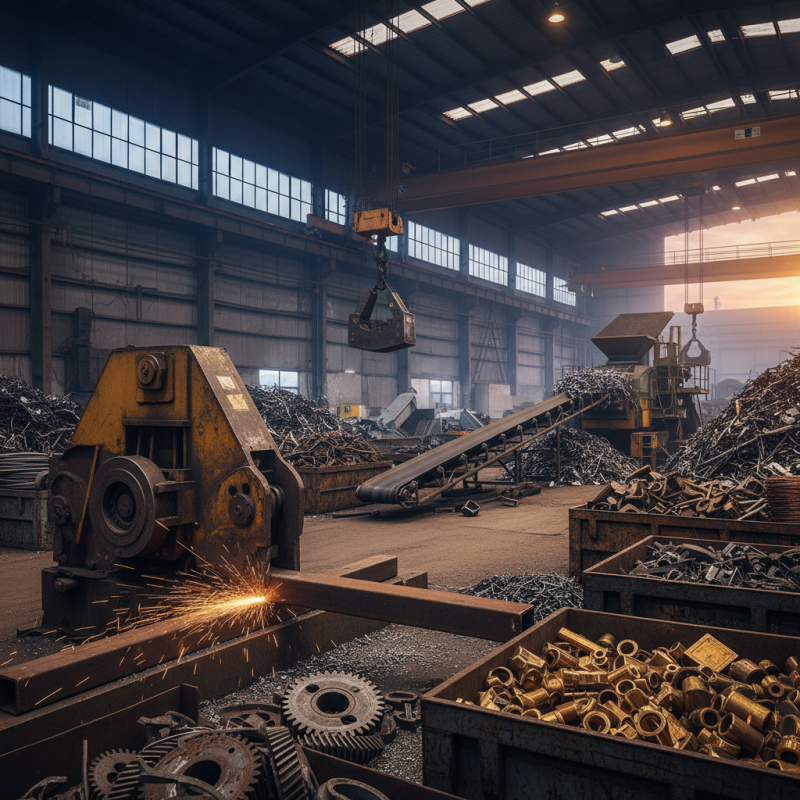
Understanding Scrap Metal Recycling Wear Parts
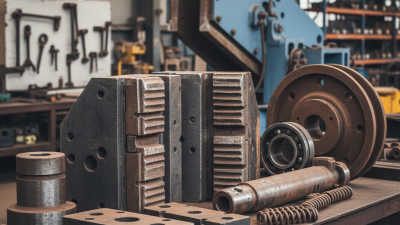
Understanding scrap metal recycling wear parts is fundamental for maximizing profits. Wear parts are components that experience frequent replacement due to wear and tear. They can include everything from blades to gearboxes. According to a recent industry report, more than 30% of scrap metal comes from worn-out industrial components. This highlights the potential value locked in these parts.
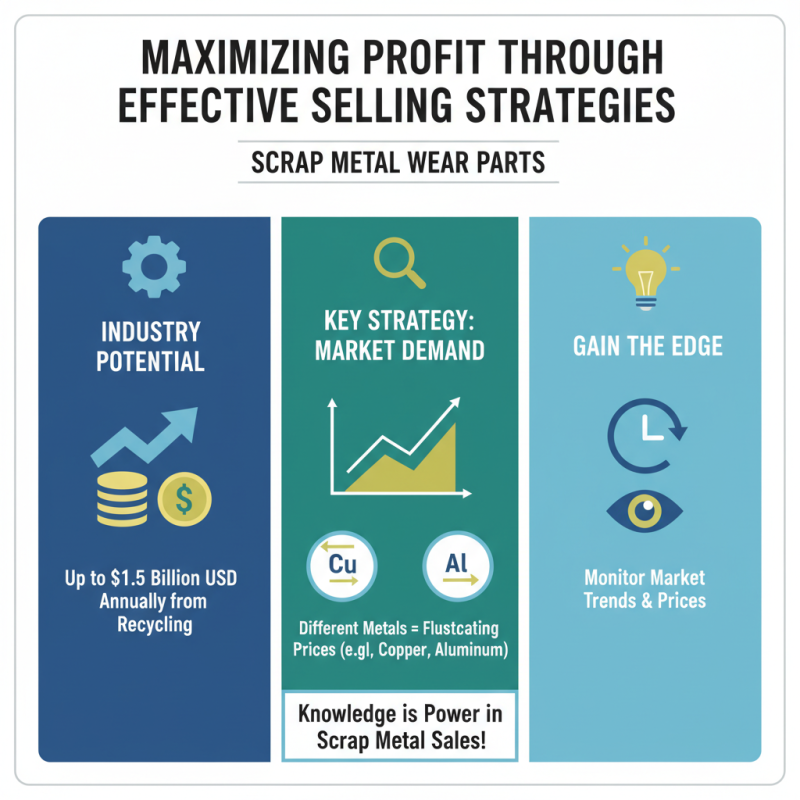
Optimizing wear part recycling requires thorough knowledge of materials and processing. Ferrous metals often dominate this market, constituting about 70% of scrap metal by volume. However, non-ferrous metals like aluminum and copper also present significant opportunities. The Institute of Scrap Recycling Industries (ISRI) notes that non-ferrous metals can yield three to four times their weight in value. Yet, many operations overlook these opportunities.
It's crucial to assess which wear parts are economically viable for recycling. Not all metals have the same returns. Some may require extensive processing, which diminishes profits. Moreover, not all facilities are equipped to handle every type of scrap efficiently. Operational limitations can lead to missed opportunities and loss of revenue. Thus, understanding the specific characteristics of each scrap type helps streamline recycling efforts.
Profit Maximization through Scrap Metal Recycling Wear Parts
This bar chart illustrates the average profit per ton for various scrap metals. By understanding the profit potential of different materials, businesses can optimize their recycling processes and maximize profitability in the scrap metal recycling industry.
Identifying High-Value Scrap Metal Components
When it comes to scrap metal recycling, identifying high-value components is crucial. Focus on various wear parts from industries like automotive, construction, and manufacturing. These components often contain valuable metals such as copper, aluminum, and steel. For instance, hydraulic cylinders and gears can yield significant returns. Pay attention to the condition of these parts.
Damaged items may still hold scrap value.
Analyzing market trends helps in understanding which scrap materials are in demand. Researching local pricing for different metals can provide insights into what to prioritize. Sometimes, less visible components can surprise you with their worth. Connecting with local recyclers allows for insights on current trends and potential premium materials. Build relationships with professionals who can share their experiences on high-value items.
Even experienced recyclers face challenges. Issues like contamination can reduce scrap value. Regularly evaluate your processes to ensure effective sorting and cleaning of materials. Keep an eye on market fluctuations that can impact prices. Adapting your strategy based on changes can help maximize your profits. Look for opportunities to improve, as the scrap metal landscape is always evolving.
Best Practices for Collecting and Storing Scrap Metal
When it comes to maximizing profit from scrap metal recycling wear parts, effective collection and storage are crucial. Start by creating designated areas for various types of scrap metal. This organization prevents cross-contamination. Proper labeling helps in identifying materials quickly, enhancing efficiency during processing. Implementing a tracking system for inventory can also improve collection efforts. Regular audits keep your inventory in check and prevent losses.
Storing scrap metal requires specific conditions. Keep metals dry and away from moisture to prevent rust. Utilize pallets for good airflow and avoid ground contact. This practice ensures your scrap remains in top condition, ready for recycling. Regularly inspect storage areas to identify any damage or hazards. Addressing these promptly can save time and resources in the long run.
Consider the space you have. Is it efficient? Too much clutter can hinder productivity.
Evaluate your methods frequently and adjust them as needed. Adopting an adaptive approach can lead to better handling and ultimately higher profits from your recycled scrap metals.
Environmental and Economic Benefits of Recycling Wear Parts
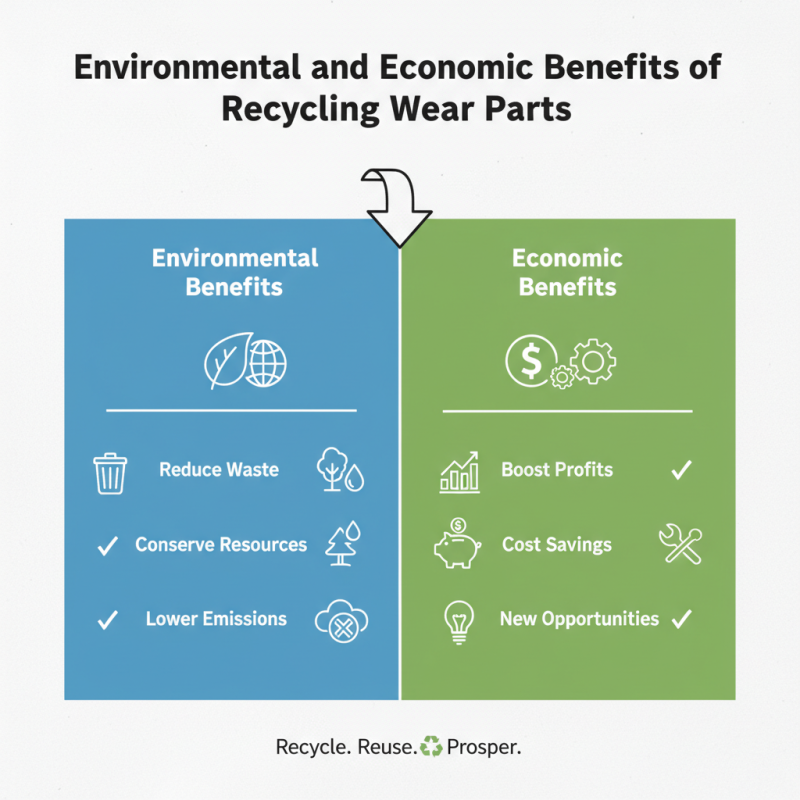
Recycling wear parts offers notable environmental and economic benefits. By reusing materials, companies reduce waste and conserve natural resources. This practice also contributes to lower greenhouse gas emissions, promoting a healthier planet. Many businesses overlook the value that recycling brings. Embracing this method not only helps the environment but can also boost profits.
Tips: Regularly evaluate the wear parts that you discard. Identify which components can be recycled. This process ensures you maximize your material recovery. Every ton of scrap metal recycled saves energy and reduces mining activities.
Another benefit is cost savings. Recycling often requires less energy than producing new parts. This reduces production costs, indirectly boosting profit margins. By developing a recycling program, businesses cultivate a more resource-efficient operation. Be aware, however, that not all wear parts are suitable for recycling. Analyze your inventory to separate valuable metals from non-recyclables. This reflection can lead to better recycling strategies.