Why Are Ball Mill and SAG Mill Liners Important for Efficiency?
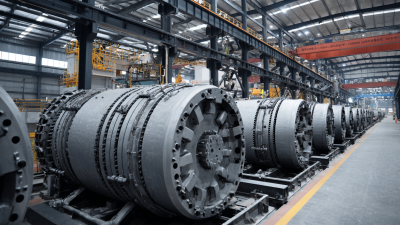
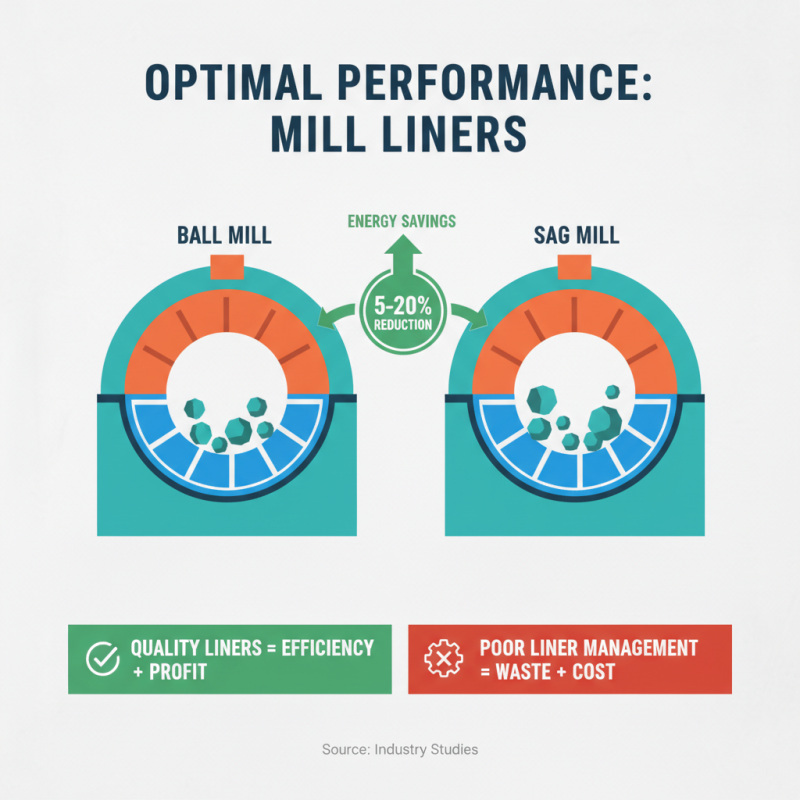
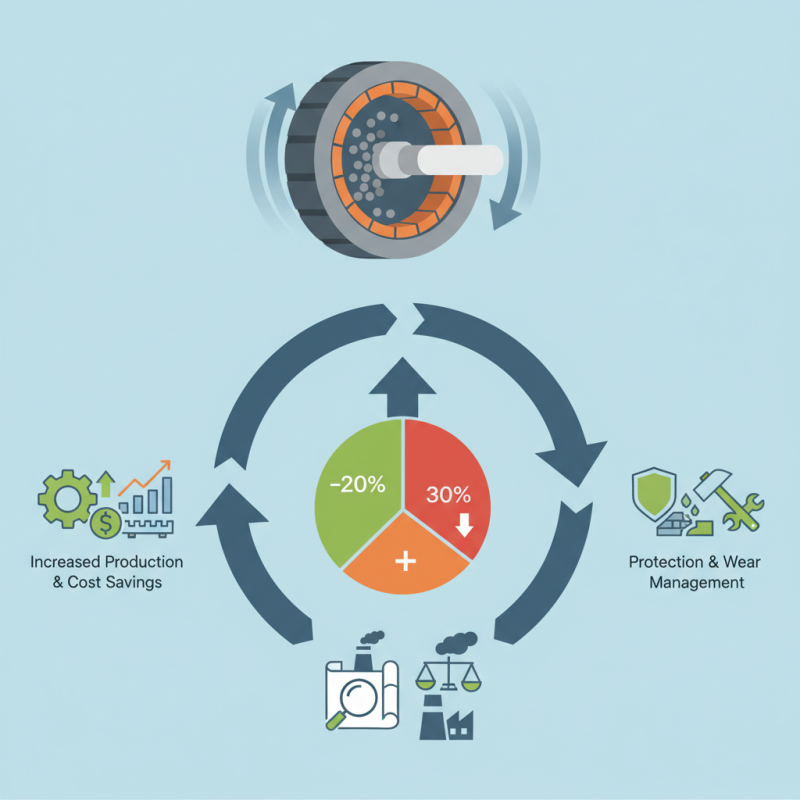
Ball Mill and SAG Mill Liners play a crucial role in mining and mineral processing. These components directly affect the efficiency of grinding operations. According to industry reports, effective liner designs can improve the grinding performance by up to 20%. This improvement leads to significant cost savings and increased production rates.
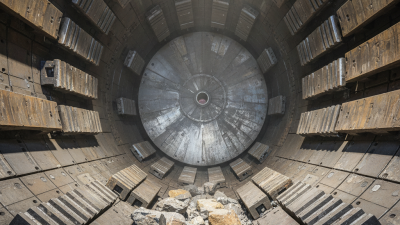
Liners protect the mill structure and enhance the grinding process. They wear down over time, which can limit performance. On average, liner wear can account for 30% of maintenance costs in mill operations. Therefore, selecting the right Ball Mill SAG Mill Liners becomes essential. Regular inspections and timely replacements are necessary to optimize efficiency.
In some cases, operators underestimate the importance of liner materials and designs. Generic liners may not perform well under specific conditions. Thus, it's vital to analyze the unique requirements of each operation. An informed approach to liner selection can yield substantial benefits. Balancing cost and performance is not always straightforward, but it is essential for operational success.
The Role of Liners in Enhancing Ball Mill Efficiency
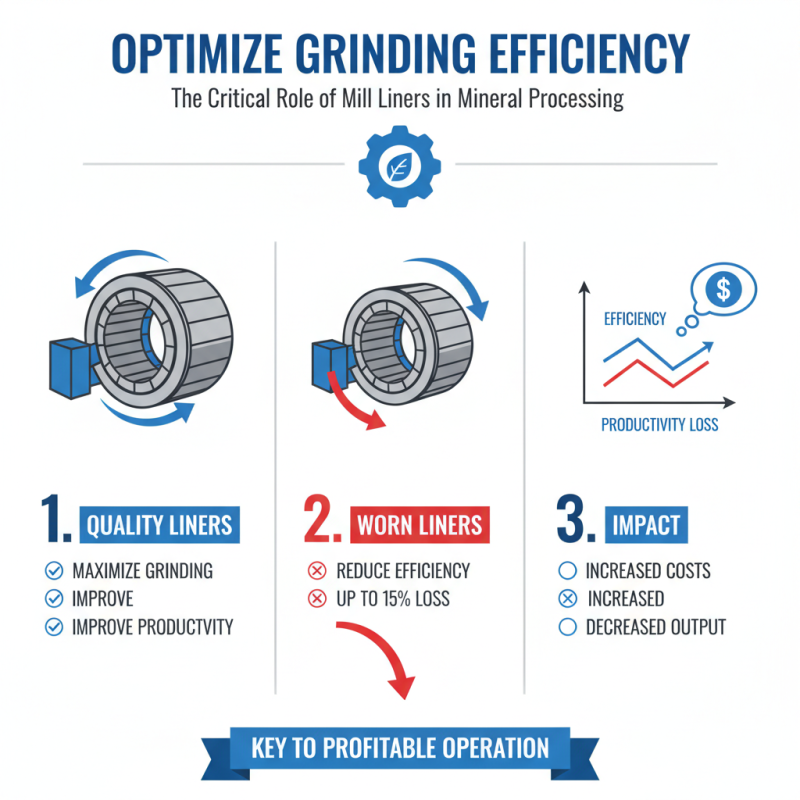
In the world of mineral processing, the efficiency of ball mills and SAG mills significantly hinges on the quality of their liners. Liners play a critical role in maximizing the grinding process. A recent study highlighted that worn-out liners can reduce grinding efficiency by up to 15%. This loss directly impacts overall productivity.
Proper liner design and material selection can enhance performance. For instance, high-carbon steel or rubber liners can create better impact resistance and wear life. Data indicates that switching to higher-quality liners can yield energy savings of about 7%. This is crucial, as energy consumption accounts for a major portion of operational costs in milling.
However, there's often a lack of attention to regular inspection and replacement of liners. Companies may underestimate the cost of inefficiencies from worn-out liners. A research paper found that inadequate maintenance can lead to an additional 10-20% increase in downtime. This not only affects output but also can compromise the integrity of the mill. Continuous reflection on these practices is essential for optimizing milling operations and ensuring long-term success.
Understanding SAG Mill Liners and Their Impact on Performance
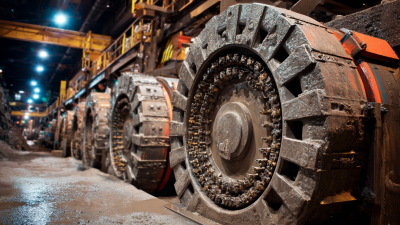
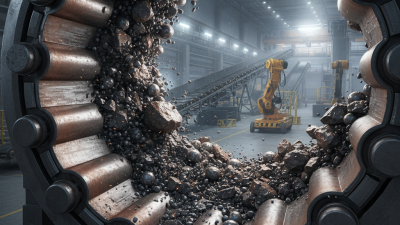
SAG mill liners play a crucial role in the efficiency of milling operations. These liners protect the mill shell from wear while impacting the grinding process's performance. A well-designed liner system can enhance the breakdown of ore, optimizing the overall production. According to recent industry data, replacing worn-out liners can improve operational efficiency by up to 15%.
Liner materials and designs are significant. For instance, rubber liners provide better noise reduction and flexibility. Meanwhile, metal liners are known for their durability and extended life. However, the choice between these materials requires careful consideration. A mismatched liner can cause increased costs and downtime due to enhanced wear or suboptimal grinding. Maintenance issues often arise when mills do not adhere to recommended liner replacement schedules.
The performance of SAG mills is also linked to the correct installation of these liners. Misaligned liners can disrupt the flow of material and lead to uneven wear patterns. This misalignment could potentially reduce the grinding efficiency by as much as 20%. Regular inspections and adjustments are vital but often neglected. Careful monitoring and timely interventions are essential for maintaining optimal mill performance.
Material Selection for Mill Liners: Key Factors for Longevity
The material selection for mill liners plays a critical role in their longevity and efficiency. In mining operations, the right materials can improve wear resistance significantly. Choosing the appropriate alloy can reduce maintenance costs by up to 30%. Commonly used materials include alloy steel, rubber, and composite compounds. Each has its strengths and weaknesses.
Alloy steel is known for its strength and impact resistance. It offers durability, but it can be susceptible to corrosion. On the other hand, rubber liners provide excellent abrasion resistance. However, they may not withstand high temperatures as efficiently. Composite liners aim to combine the best properties of both. They offer good flexibility while retaining robustness, yet can be more expensive.
Empirical data shows that poorly chosen liners can lead to operational inefficiencies. For example, if the wrong liner is selected, it could lead to a 15% decrease in grinding efficiency. This not only impacts productivity but also increases energy consumption. Choosing the wrong materials could also lead to premature liner failures, resulting in expensive downtime. Regular reevaluation of material performance is essential for optimizing milling operations.
Why Are Ball Mill and SAG Mill Liners Important for Efficiency? - Material Selection for Mill Liners: Key Factors for Longevity
| Liner Type |
Material |
Hardness (HB) |
Lifespan (Hours) |
Cost per Ton ($) |
Efficiency (%) |
| SAG Mill Liner |
High Carbon Steel |
500 |
3000 |
100 |
85 |
| Ball Mill Liner |
Chrome-Moly Steel |
600 |
2500 |
120 |
90 |
| Rubber Liner |
Natural Rubber |
60 |
2000 |
80 |
80 |
| Composite Liner |
Steel-Rubber Composite |
400 |
3500 |
150 |
88 |
Maintenance Practices for Optimal Mill Liner Functionality
Maintaining mill liners is crucial for maximizing the efficiency of both ball mills and SAG mills. Liners protect the mill shell from wear and tear.
Regular inspection is key to identifying issues early. Any small crack or wear can lead to bigger problems. It’s not uncommon for operators to overlook these details.
A small oversight can cause significant downtime and increased costs.
Effective maintenance practices should include regular cleaning and monitoring. Remove any accumulated debris promptly.
Debris can lead to uneven wear on the liners. Operators often forget that even minor adjustments can enhance performance.
Proper alignment and secure fastening of liners will help prevent vibration.
Vibration can lead to premature failure of the liners.
Operators need to schedule routine replacements based on wear patterns. Relying on a fixed replacement schedule may not be effective.
Each mill can wear down differently. Keeping detailed wear logs helps in making informed decisions.
It’s crucial to analyze how the liners perform under different conditions. Reflecting on past maintenance practices can reveal areas for improvement.
Ignoring signs of trouble will only lead to more serious issues.