What is Impact Crusher Wear Parts and Why They Matter?
Impact Crusher Wear Parts are essential components in the world of construction and mining. These parts endure significant stress during operations. They are crucial for maintaining the efficiency of impact crushers. When these parts wear out, performance decreases. This can lead to costly downtime.
Understanding Impact Crusher Wear Parts is vital for businesses. It helps ensure a smooth workflow. Regular wear and tear are inevitable, yet some wear parts have a shorter lifespan. Companies must track these components closely. Identifying wear patterns can prevent unexpected failures.
Investing in high-quality wear parts boosts performance. However, not all parts are created equal. Choosing the right supplier matters. Businesses often overlook this aspect, leading to inefficiencies. Reflecting on the choice of Impact Crusher Wear Parts can improve operations significantly.
What Are Impact Crusher Wear Parts?
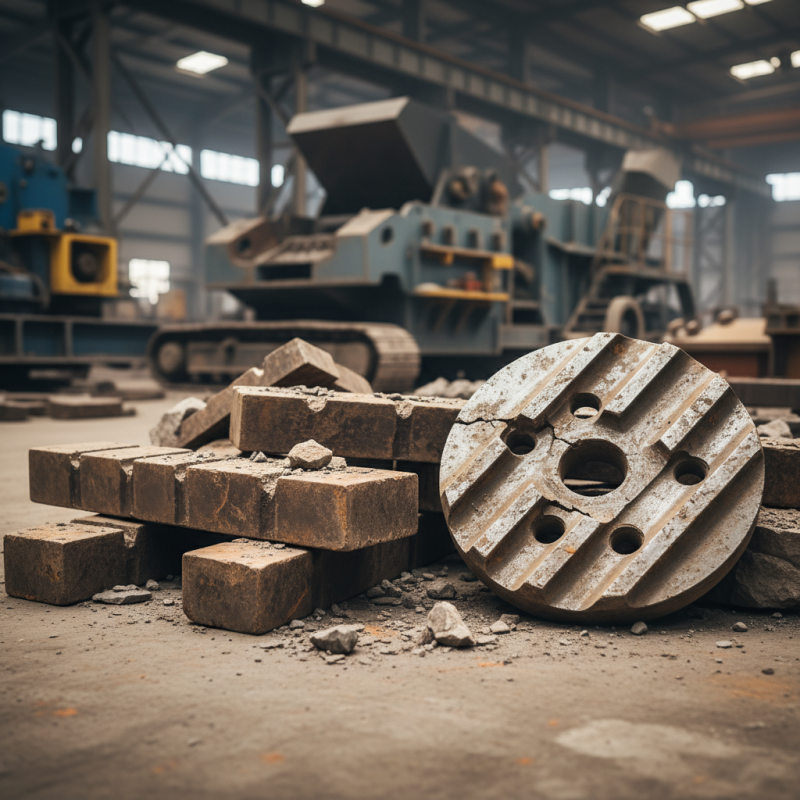
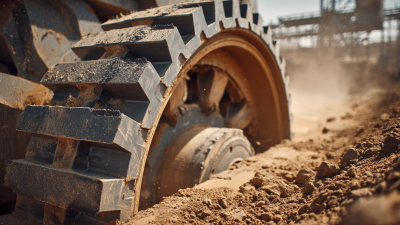
Impact crusher wear parts are crucial components in the crushing process. They endure a lot of stress and wear. These parts include blow bars, impact plates, and liners. Each of these elements plays a vital role in maximizing efficiency. High-quality wear parts lead to better performance and longevity.
When looking for wear parts, consider their material. Some are made of high chrome, while others use manganese steel. Choosing the right material can enhance wear resistance. Improper selection can lead to frequent replacements. This wastes time and resources.
Tips: Always inspect wear parts regularly. This minimizes unexpected breakdowns. A proactive approach can save costs. Keep a close eye on wear patterns. Understanding these patterns can help in deciding when to replace parts. Remember, investing in quality parts can provide significant long-term benefits.
Impact Crusher Wear Parts Analysis
This chart displays the average wear rates of various impact crusher wear parts, highlighting their importance in maintaining operational efficiency.
The Role of Wear Parts in Crusher Performance
Wear parts play a crucial role in the performance of impact crushers. These components face significant wear due to continuous friction and impact forces during operation. As they wear down, the efficiency of the crusher can decline. This can lead to poor crushing results and increased operational costs. Operators often overlook the importance of monitoring wear parts closely.
The condition of wear parts impacts product output and quality. Damaged or worn components can result in uneven particle sizes. This inconsistency may hinder downstream processes. Regular maintenance is necessary to prevent such issues. Visual inspections can help identify wear before it becomes problematic. Even minor wear can lead to a drop in performance that accumulates over time.
Investing time in understanding wear parts pays off. Knowing when to replace them can save both time and money. However, many operators hesitate to act until they see significant wear. This reactionary approach can lead to downtime. It’s beneficial to adopt a proactive stance to maintain optimal crusher performance.
Common Types of Wear Parts for Impact Crushers
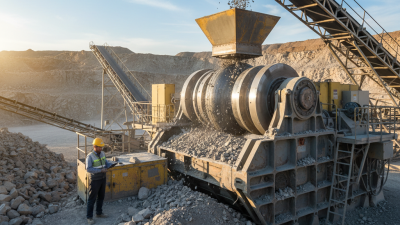
Impact crushers are essential in various industries for crushing materials into smaller pieces. The efficiency of these machines largely depends on wear parts. Understanding these components helps in maintaining performance.
Common types of wear parts include blow bars, liner plates, and impact plates. Blow bars are critical as they strike the material, causing fragmentation. Liner plates protect the interior surfaces of the machine, preventing excessive wear. Impact plates absorb the shock during the crushing process, vital for operational stability.
Regular monitoring of wear parts is important. Over time, wear parts can degrade, affecting overall efficiency. A worn blow bar may lead to poor material output. Liners that are too thin can cause excessive damage. It's essential to replace these parts timely. Neglecting wear parts can result in costly repairs and downtime. Understanding their condition ensures smoother operations and prevents regrets in maintenance practices.
Factors Affecting Wear Part Longevity
Impact crusher wear parts are essential for maximizing productivity. These parts endure heavy pressure and material impact. Their longevity directly influences operational efficiency. Understanding the factors affecting wear part longevity can help in making informed decisions.
Material hardness plays a crucial role. Softer materials tend to wear parts faster. Employing the right hardness levels for your application is vital. Additionally, the type of feed material matters. Mixing different materials can lead to uneven wear patterns and increased costs.
Tips: Regular inspections are key. Check for signs of wear regularly to extend part life. Also, consider adjusting your feed size. A proper feed size reduces stress on wear parts.
Environmental conditions also influence wear. For instance, abrasive materials can lead to rapid degradation. Humidity and temperature fluctuation can create unexpected challenges too. Each project may present unique wear scenarios that require adjustments and reflections on processes. Balancing these factors is crucial for maintaining efficiency.
The Importance of Regular Maintenance and Replacement
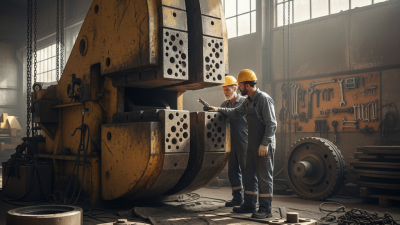
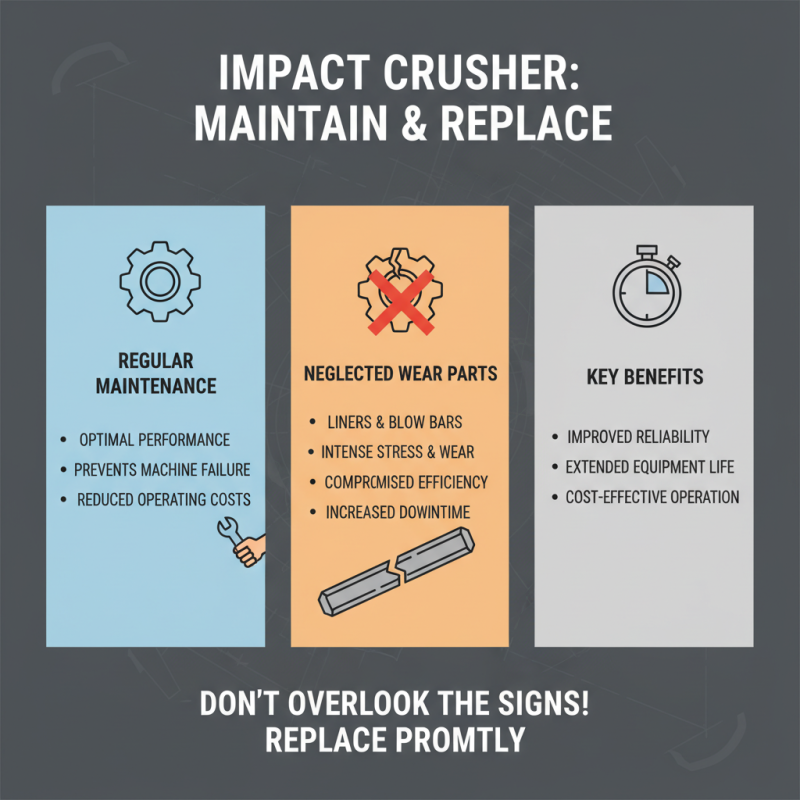
Regular maintenance of impact crusher wear parts is crucial for optimal performance. These parts, including liners and blow bars, experience intense stress and wear. If not monitored, they can lead to machine failure. Neglected wear parts compromise efficiency and increase operational costs. Operators often overlook the signs of wear, which can lead to bigger issues down the line.
Replacing these parts on schedule is vital. Even minor wear can affect the quality of output. When wear parts are in good condition, the entire machine runs smoothly. This means fewer breakdowns and less downtime. It also extends the life of the equipment. Many companies underestimate the importance of this routine. They might prioritize production over maintenance, but the long-term effects can be damaging.
In practice, maintenance involves regular inspections and timely replacements. Operators should develop a checklist for wear indicators. Ignoring these aspects can lead to unplanned shutdowns. A proactive approach not only saves money but also ensures safer working conditions. The reality is that many operators forget these basics, risking their operations. Maintenance is not just about preventing faults; it’s about sustaining productivity.