Top Features and Benefits of Mining Jaw Crushers for Your Operations
The mining industry has continually sought innovative solutions to improve operational efficiency and productivity, with the Mining Jaw Crusher emerging as a pivotal component in this quest. In 2022, the global mining equipment market was valued at approximately $144 billion, with jaw crushers playing a significant role due to their high efficiency and ability to handle hard materials. As the demand for minerals and aggregates surges, the significance of robust and reliable crushing equipment cannot be overstated.
According to industry expert Dr. Helen Carter, “The Mining Jaw Crusher not only enhances material handling but also lowers operational costs by optimizing energy consumption.” This insight underlines the crucial role that Mining Jaw Crushers play in streamlining operations and ensuring that mining companies can meet increasing market demands. By leveraging advanced technology and engineering, these crushers assist in maximizing processing efficiency while minimizing downtime, ultimately leading to higher profit margins.
Furthermore, the introduction of innovative features such as adjustable discharge settings and improved wear resistance has made modern Mining Jaw Crushers more versatile, allowing operations to adapt to varied mining conditions. As the industry evolves, the continued investment in Mining Jaw Crusher technology will be essential for companies aiming to maintain a competitive edge in an ever-changing landscape.

Key Components of Mining Jaw Crushers Explored
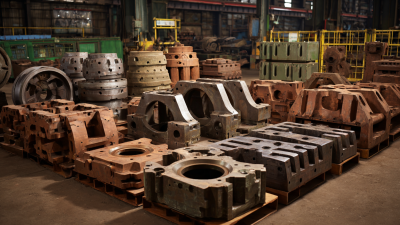
Mining jaw crushers are essential equipment in the aggregate and mining sectors, designed to break down large rocks into manageable sizes for further processing. At the heart of these machines are key components that significantly contribute to their performance and efficiency. The frame, typically constructed from high-quality steel, provides the necessary strength and stability to withstand heavy impacts and operational wear. Additionally, the crushing chamber is expertly designed to maximize material throughput while ensuring a consistent particle size, which is critical for downstream processing.
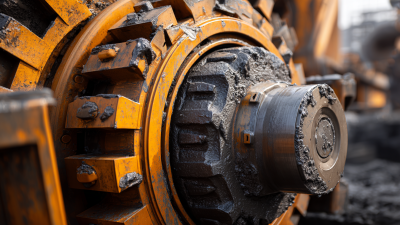
Another crucial element of mining jaw crushers is the jaw plate, which is often made of high-grade manganese steel. This material provides exceptional durability and resistance to wear, allowing for extended operational life. The toggle plate, a vital part of the mechanism that controls the movement of the jaw, enables precise adjustments to the size of the crushed material. Furthermore, an efficient hydraulic system in modern jaw crushers enhances operational flexibility, allowing for quick adjustments while maintaining maximum crushing power. Collectively, these components ensure that mining jaw crushers deliver reliable performance, optimizing productivity in tough mining environments.
Operational Efficiency: How Jaw Crushers Enhance Mining Processes
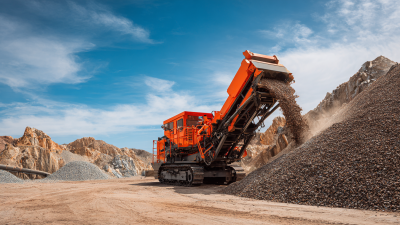
Jaw crushers are critical in optimizing operational efficiency within mining processes. These powerful machines crush large rocks into manageable pieces, streamlining the extraction of minerals. By reducing the size of raw materials, jaw crushers facilitate easier handling, transportation, and further processing. This leads to improved productivity, as a more consistent and uniform material size allows for better downstream processing in crushing and milling operations.
When implementing jaw crushers in your mining operations, it's essential to consider their setup and placement. Proper alignment with other equipment in the processing line can significantly enhance throughput. Additionally, regular maintenance ensures that the crushers operate at peak efficiency, minimizing downtime and wear.
Tips for optimizing jaw crusher performance include monitoring the feed size to ensure it meets the manufacturer's specifications, regularly checking the wear plates, and keeping the crushing chamber clear of obstructions. By following these best practices, you can maximize the efficiency of your jaw crushers, ultimately leading to a more productive mining operation.
Cost-Effectiveness: Reducing Operational Costs with Jaw Crushers
Jaw crushers play a crucial role in mining operations, particularly when it comes to cost-effectiveness. By breaking down large materials into manageable sizes, they significantly reduce the energy required in subsequent processing stages. This operational efficiency means that businesses can spend less on energy and labor while maintaining high productivity levels. Moreover, the robust construction of jaw crushers ensures a long lifespan, minimizing maintenance costs and downtime.
Additionally, the versatility of jaw crushers allows them to handle a wide variety of materials, from hard rocks to softer ones. This adaptability not only contributes to reducing the need for multiple types of equipment but also streamlines the material handling process. Consequently, mining operations can optimize their workflows and cut down on unnecessary expenditure. Overall, investing in mining jaw crushers translates directly into decreased operational costs, making them an economically sound choice for any mining enterprise.
Top Features and Benefits of Mining Jaw Crushers for Your Operations - Cost-Effectiveness: Reducing Operational Costs with Jaw Crushers
| Feature |
Description |
Cost Savings |
| High Reduction Ratio |
Achieves significant size reduction from raw material to output. |
Reduces the need for secondary crushing, saving on operational costs. |
| Durability and Reliability |
Built to withstand tough conditions, minimizing downtime. |
Lowers repair and replacement costs over the lifespan of equipment. |
| Energy Efficiency |
Designed to consume less power while performing optimally. |
Provides significant savings on energy bills, improving profitability. |
| Versatility |
Can process various materials, including harder ores. |
Reduces the need for multiple machines, decreasing capital expenditure. |
| Simple Maintenance |
Easy access to internal components for fast repairs. |
Decreases labor costs associated with maintenance work. |
Durability and Maintenance: Ensuring Longevity of Mining Jaw Crushers
Mining jaw crushers are essential for the efficient processing of materials in mining operations, but their durability and maintenance play a crucial role in ensuring their longevity. According to industry reports, well-maintained jaw crushers can exhibit a lifespan extending beyond 15 years, significantly reducing the need for frequent replacements and minimizing operational downtime. Routine inspections, timely lubrication, and the use of high-quality replacement parts are fundamental strategies to extend service life and enhance performance.
To guarantee the longevity of mining jaw crushers, adopting a preventive maintenance schedule is vital. This includes regular checks on the wear and tear of essential components such as the jaw plates, bearings, and toggle plates. Data suggests that machinery failures often stem from neglect, resulting in costly repairs that can disrupt mining operations. Implementing a maintenance checklist and using monitoring technologies can provide early warnings to prevent unexpected breakdowns.
Tips for maintaining mining jaw crushers include maintaining proper alignment of components to avoid uneven wear, ensuring that the crusher is operated within its designed capacity, and regularly cleaning the system to prevent material buildup that can cause overheating. Additionally, documenting maintenance actions can help identify trends and areas for improvement, ultimately leading to enhanced efficiency and reduced operational costs.
Safety Features in Mining Jaw Crushers for Enhanced Worker Protection
Mining jaw crushers play a crucial role in the extraction and processing of minerals, but their operation also brings safety concerns that must be addressed. Enhanced worker protection is a key characteristic of modern jaw crushers, specifically designed with features that prioritize the well-being of personnel on site. One such safety feature is the use of advanced guarding systems, which prevent accidental contact with moving parts. This minimizes the risk of injury during operations, making it safer for workers to conduct maintenance or adjust settings without the fear of machinery engagement.
Another significant aspect of safety in mining jaw crushers is the implementation of vibration monitoring and noise reduction technologies. Excessive vibration can not only signal impending mechanical failures but also pose health risks to workers due to long-term exposure. Incorporating real-time monitoring systems helps to detect unusual vibrations, allowing for prompt corrective action before problems escalate. Furthermore, reduced noise levels contribute to a safer working environment by lowering stress and enabling better communication among workers, thus fostering a collaborative atmosphere even in high-intensity settings. These enhancements highlight the importance of integrating safety features in mining jaw crushers to protect workers while maintaining operational efficiency.