How to Extend the Lifespan of Cone Crusher Liners for Optimal Performance
In the world of mining and aggregate production, the efficiency and longevity of equipment are critical factors that directly impact operational productivity and cost-effectiveness. Among the essential components of crushing machinery, Cone Crusher Liners play a pivotal role in achieving optimal performance. These liners, which come into contact with the materials being processed, endure significant wear and tear over time. Ensuring their durability not only improves the overall lifespan of the cone crusher but also enhances the quality of the crushed output.
To maximize the performance of Cone Crusher Liners, it is vital to implement a series of proactive strategies aimed at minimizing wear and prolonging service life. Factors such as material selection, proper installation, and routine maintenance can substantially affect the liner’s efficiency and operational longevity. By understanding the intricacies of how Cone Crusher Liners work and the variables that influence their wear rate, operators can adopt best practices that lead to significant cost reductions and increased equipment uptime.
This guide will explore effective techniques and considerations that can help in extending the lifespan of Cone Crusher Liners, ultimately leading to sustained performance and reliability of the crushing process. Emphasizing the importance of diligent management and optimization, we aim to equip operators with the knowledge needed to enhance their throughput and maintain a competitive edge in a challenging industry.

Understanding the Role of Cone Crusher Liners in Equipment Performance
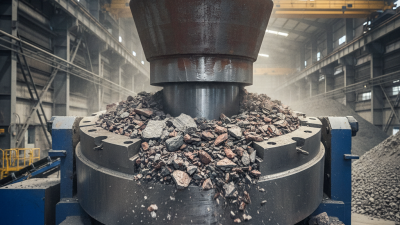
Cone crusher liners play a critical role in the overall performance and efficiency of the equipment. These components are responsible for breaking down materials, ensuring that the desired size and quality are achieved. The effectiveness of cone crusher liners directly impacts the throughput and product yield, making their proper maintenance and optimization vital for any operation relying on crushing technology. Understanding their importance helps operators make informed decisions on usage, maintenance, and replacement schedules.
Tips for extending the lifespan of cone crusher liners include regular inspection and monitoring for wear patterns. Operators should establish a routine to examine the liners for signs of distress and replace them as necessary to prevent operational downtimes. Additionally, maintaining the proper feed size and consistency can significantly reduce abrasion on the liners, leading to increased longevity. Utilizing the right lubrication also enhances the performance of the cone crusher, reducing unnecessary friction that could lead to premature wear on these essential components.
Investing in high-quality material for cone liners can also contribute to better performance and durability. Operators should consider materials that are designed to withstand extreme conditions and resist wear over time. Adopting a proactive approach to maintenance, including timely adjustments and operational training, can lead to more consistent performance and longer-lasting components.
Factors Affecting the Lifespan of Cone Crusher Liners
The lifespan of cone crusher liners is significantly influenced by several key factors that operators must consider to achieve optimal performance. One of the primary factors is the material composition of the liners. High-quality materials that withstand wear and tear enhance longevity. Liners made from alloys designed specifically for crushing applications can offer improved resistance to both abrasion and impact, ensuring that they maintain their shape and efficacy throughout their operational life.
Another critical factor affecting the lifespan of cone crusher liners is the design and operating conditions of the crusher itself. Properly set operational parameters, such as feed size and moisture content, play a crucial role in reducing unnecessary wear. Overloading the crusher or using inappropriate feed materials can lead to premature wear, resulting in increased costs and downtime for maintenance. Regular monitoring and adjustment of these parameters can help in extending the lifespan of the liners significantly.
Additionally, regular maintenance practices are vital. Scheduled inspections to identify wear patterns and timely replacements can prevent excessive degradation. Implementing a proactive wear management strategy not only prolongs the life of the liners but also enhances overall equipment efficiency, resulting in better productivity and cost-effectiveness in operations.
Best Practices for Maintenance and Care of Cone Crusher Liners
Maintaining the optimal performance of cone crusher liners is essential for minimizing downtime and maximizing productivity. Proper maintenance practices significantly extend the lifespan of these critical components. One fundamental approach is to regularly inspect the liners for signs of wear, cracking, or any damage. Scheduled inspections can help identify issues early, allowing for timely replacements or repairs before severe damage occurs, which could affect overall operational efficiency.
Additionally, consistent and adequate lubrication plays a crucial role in prolonging the life of cone crusher liners. Quality lubrication minimizes friction and heat buildup during operation, which can lead to premature wear. It’s also important to maintain a balanced feed to the crusher; uneven feed can result in increased stress on the liners, causing irregular wear patterns. Finally, keeping the operating parameters within the recommended ranges and avoiding overload conditions helps ensure that the liners function efficiently, contributing to their durability and overall performance.
Cone Crusher Liners Lifespan Comparison
This chart displays the average lifespan of cone crusher liners based on different maintenance practices. Proper maintenance can significantly increase the lifespan of the liners, leading to optimal performance and reduced operational costs.
Techniques for Monitoring Wear and Tear on Cone Crusher Liners
Monitoring the wear and tear on cone crusher liners is essential for maintaining optimal performance and ensuring extended lifespan. One effective technique is the implementation of regular visual inspections, where operators can identify signs of wear such as pitting, cracking, or abnormal wear patterns. This first-hand evaluation allows for timely maintenance and helps in forecasting when liners should be replaced. Utilizing digital inspection tools, such as ultrasonic thickness gauges, can also provide precise measurements of the liner's remaining thickness, allowing for data-driven decisions.
Additionally, employing performance monitoring software can significantly enhance the tracking of liner wear over time. By collecting operational data, such as throughput and power consumption, operators can detect changes that may indicate liner deterioration. Analyzing this data enables predictive maintenance strategies, ensuring that replacements occur before excessive wear leads to operational inefficiencies or equipment failure. Integrating these techniques can significantly increase the reliability of cone crushers while reducing downtime and operational costs.
Innovations and Upgrades to Extend Cone Crusher Liner Lifespan
Innovations and upgrades play a crucial role in extending the lifespan of cone crusher liners. With advancements in materials technology and engineering, manufacturers have developed high-performance alloys that enhance durability and wear resistance. These innovations not only minimize wear but also improve the overall efficiency of the crushing process. Upgrading to advanced liners that are specifically designed for specific applications can lead to significant gains in performance and longevity, ensuring that the crusher operates at peak efficiency for extended periods.
Tips for maintaining your cone crusher liners include regular inspections to detect signs of wear early on. This can help in scheduling timely replacements, preventing unexpected downtimes. Additionally, ensuring proper feed distribution and avoiding oversized material can reduce undue stress on the liners, further extending their lifespan. Investing in these practices can yield considerable cost savings and improve operational reliability.
Utilizing technology such as monitoring systems can also help in optimizing liner use. By tracking performance metrics, operators can make informed adjustments that enhance liner life and overall productivity. Embracing these innovations and practices not only streamlines the crushing operation but also contributes to a more sustainable approach to resource management in the long run.