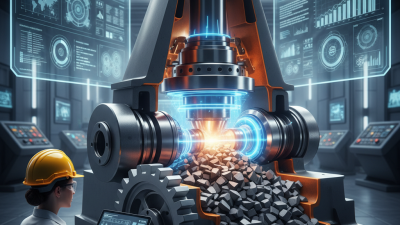
Understanding Cone Crusher Bowl: Types, Maintenance, and Optimization Tips
The cone crusher bowl is a critical component in the efficiency and effectiveness of cone crushing operations, which play a pivotal role in the mining and aggregate industries. According to a report by the Allied Market Research, the global cone crusher market is projected to reach $2.64 billion by 2027, growing significantly due to the increasing demand for construction materials and the need for enhanced crushing solutions. The precise design and maintenance of the cone crusher bowl contribute directly to the overall performance and longevity of the machinery.

Industry expert Dr. Henry Thompson, a leading authority in crushing technology, emphasizes the importance of this component when he states,
“Neglecting the upkeep of the cone crusher bowl can lead to premature wear and increased operational costs.” This highlights the necessity for regular maintenance and optimization strategies to ensure that the cone crusher bowl functions effectively, providing maximum output while minimizing downtime.
Understanding the various types of cone crusher bowls, their maintenance requirements, and optimization techniques can empower operators and engineers to enhance performance in their operations, ultimately leading to a more profitable and sustainable business model.
Understanding the Structure and Function of Cone Crusher Bowls
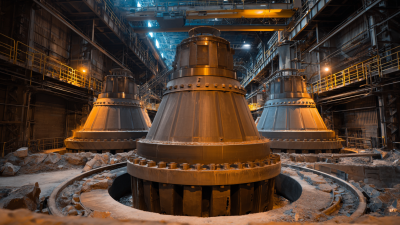
The cone crusher bowl is a critical component in the overall functionality of a cone crusher, serving as a support for the mantle while also facilitating the crushing process. According to industry reports, approximately 50% of the crusher's operational efficiency is influenced by the design and condition of the bowl. This structure typically consists of a robust material, often high manganese steel, designed to withstand the intense pressures involved in crushing materials. The bowl's shape and cavity volume are meticulously engineered to optimize the crushing plant's output, as they directly affect the reduction ratio and product shape.
Regular maintenance of the cone crusher bowl is essential to maximize performance and extend its lifespan. The The National Stone, Sand, and Gravel Association indicates that proper inspection and timely replacement of worn parts can reduce operational costs by as much as 30%. Key maintenance practices include checking for wear patterns, ensuring that the bowl is securely fastened, and regularly cleaning the bowl to avoid material buildup. By adopting these optimization tips and understanding the integral role of the bowl in the crushing process, operators can substantially enhance productivity and efficiency in their operations.
Different Types of Cone Crusher Bowls and Their Applications
Cone crusher bowls play a crucial role in the effective operation
of cone crushers, which are widely used in various industries for crushing materials such as ores and aggregates.
There are primarily two types of cone crusher bowls: standard
and short-head. Standard bowls are designed for larger, coarser material,
making them ideal for primary crushing applications. In contrast, short-head bowls provide a finer output and are used
for secondary crushing, making them suitable for processes requiring a more refined end product.
When it comes to maintenance and optimization of cone crusher bowls, one key tip is to regularly inspect
and replace worn components to ensure optimal performance. Properly aligning the bowl with the mantle can greatly
enhance crushing efficiency and prevent excessive wear. Additionally, maintaining the appropriate gap between the bowl
and mantle during operation helps achieve desired product size while minimizing energy consumption.
Another valuable tip is to keep the bowl clean and free from debris. Built-up material around the bowl can affect
the crusher's ability to function efficiently. Implementing a routine cleaning schedule, coupled with regular monitoring
for wear or damage, can significantly extend the lifespan of the cone crusher and improve overall operational productivity.
Key Maintenance Practices for Longevity of Cone Crusher Bowls
Maintaining the longevity of cone crusher bowls is crucial for ensuring optimal performance and preventing costly downtime. According to a report by the Mining Industry Council, properly maintained cone crushers can operate at a 15-30% increased efficiency, translating to significant cost savings in operations. Regular inspection of the bowl assembly, along with timely replacements of worn-out components, can lead to a reduction in material loss and enhance production rates.
Key maintenance practices include monitoring the bowl's liner wear, which is essential for maintaining the desired output size and quality of crushed material. Data from the Aggregate Production Association indicates that wear parts account for nearly 25% of the total operational cost in aggregate crushing. By implementing a routine maintenance schedule, including lubrication checks and operational performance evaluations, aggregate producers can extend the lifespan of cone crusher bowls significantly, often achieving over 20% longer service life compared to those with irregular maintenance practices. Engaging in predictive maintenance strategies further optimizes performance by addressing potential issues before they escalate, leading to more efficient operations overall.
Optimization Techniques for Improved Efficiency of Cone Crushers
Optimizing cone crushers is crucial for enhancing their efficiency and ensuring optimal performance in various applications. One of the key techniques involves regular maintenance, which includes checking the bowl and liner wear, adjusting the crusher settings, and ensuring that the lubrication system operates effectively. Implementing a predictive maintenance schedule can help in identifying issues before they lead to significant downtime, thereby improving overall productivity.
Recent innovations in electric-driven equipment showcase how modernization can further optimize operations. The introduction of electric mobile crushing and screening equipment not only minimizes emissions but also enhances energy efficiency. By adopting electric models, operators can benefit from reduced operating costs and improved environmental sustainability, aligning with current industry trends towards cleaner technology. These developments illustrate the ongoing evolution of cone crushers, emphasizing the importance of upgrading to newer technologies for optimized performance.
Understanding Cone Crusher Bowl: Types, Maintenance, and Optimization Tips
| Type |
Material |
Maintenance Frequency |
Common Issues |
Optimization Tip |
| Standard Bowl |
Manganese Steel |
Monthly |
Worn Liners |
Regular Inspection |
| Short Head Bowl |
Chromium Steel |
Bi-Monthly |
Clamp Ring Issues |
Lubrication Check |
| Fine Bowl |
Alloy Steels |
Quarterly |
Overheating |
Cooling System Maintenance |
| Multi-Cylinder Bowl |
High Manganese Alloy |
Every 1000 Hours |
Hydraulic System Failures |
Hydraulic Fluid Replacement |
Industry Standards and Best Practices for Cone Crusher Bowl Design
When it comes to the design of cone crusher bowls, adherence to industry standards is crucial for ensuring performance and longevity. Cone crusher bowls must accommodate varying material sizes and hardness, which requires meticulous engineering. Key factors include the bowl's material composition, geometry, and surface treatment. For specific applications, customization based on the type of material being crushed can enhance efficiency and reduce wear.
To optimize cone crusher bowl performance, following best practices in design is essential. One tip is to incorporate a robust material like high-manganese steel, which offers excellent impact resistance and durability. Another important consideration is the bowl's profile; optimizing the contour can lead to better material flow and reduce energy consumption. Additionally, regular inspections and maintenance can help identify wear early, ensuring that the bowl operates at peak efficiency and extends its operational lifespan.
It’s also advisable to employ analytical tools to simulate various operating conditions and refine bowl design accordingly. These simulations can help in understanding how different designs perform under actual working conditions, ultimately driving innovations that align with industry standards. By focusing on these aspects, manufacturers can produce more effective cone crusher bowls while minimizing maintenance costs and downtime.