How to Choose the Best Cone Crusher Liners?
Choosing the right Cone Crusher Liners can directly affect production, product shape, operating cost, and machine protection. Yet, the best liner is not always the hardest or most expensive option. Its performance depends on feed size, rock abrasiveness, moisture, crusher settings, and daily tonnage.
The decision should begin with real operating data. Check the feed gradation, chamber profile, closed-side setting, and liner wear pattern. A liner wearing evenly may indicate a balanced process. Uneven wear can reveal segregation, poor feeding, or an unsuitable profile. Small details matter. For example, rounded edges and excessive bowl movement may signal that the liner is nearing replacement.
Material selection also requires practical judgment. High-manganese steel can suit many demanding applications, while alloy options may perform better under specific abrasive conditions. However, laboratory hardness figures alone cannot predict field results. Site trials, maintenance records, and advice from qualified manufacturers provide stronger evidence.
Safety remains essential. Always follow the crusher manufacturer’s instructions, approved lifting methods, and local workplace requirements. A rushed liner change can damage equipment or seriously injure personnel. The choice is rarely perfect. Changing quarry conditions may force operators to review their original decision. This guide examines liner materials, profiles, wear indicators, and cost factors, helping readers compare options with greater confidence. A reliable choice balances service life, throughput, product requirements, and safe maintenance—not one impressive specification.
Understanding Cone Crusher Liner Types and Their Functions
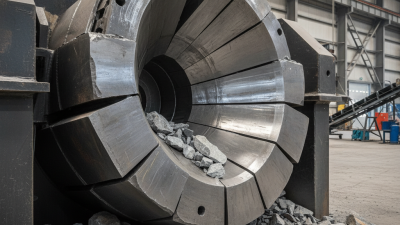
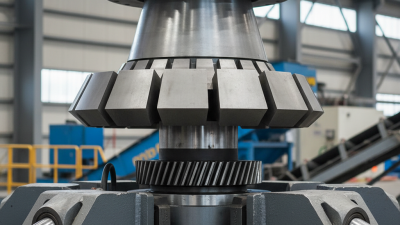
Choosing cone crusher liners starts with understanding their jobs. The mantle moves inside the bowl liner and creates the crushing cavity. The mantle usually handles the moving wear surface. The bowl liner protects the stationary side. Together, they control how rock is compressed, fractured, and discharged.
Liner profiles change the crusher’s working behavior. A coarse profile suits larger feed and deeper cavities. A fine profile can improve reduction when feed is already smaller. The feed opening, closed-side setting, rock hardness, and moisture also matter.
High-manganese steel is common because it can harden under repeated impact. However, material choice alone does not guarantee long service. A poor profile may cause uneven wear, recirculation, or rising power demand.
During inspections, look for a thin mantle edge, a sharp bowl liner, or a sudden product-size change. These details often reveal wear before failure. Measure the closed-side setting after liner replacement. Do not rely only on appearance. One practical lesson is easily missed: liner life depends on feed consistency. I have seen a carefully selected liner wear quickly after oversized rock entered the chamber. That was not entirely the liner’s fault. Feed control was weak. Operators should record hours, throughput, product size, and wear patterns. Those records make the next selection more reliable. Sometimes the “best” liner is not the longest-lasting one. It may be the profile that keeps the chamber balanced and the product within specification.
Assessing Crusher Conditions and Production Requirements
Choosing cone crusher liners starts with the machine, not the catalog. Inspect the crushing chamber, feed opening, discharge setting, and hydraulic pressure. Look for uneven wear. A thin lip on one side often signals poor feeding or a misaligned mantle. Check the feed too. Wet, sticky material can pack behind the liners and change operating conditions. Hard, abrasive rock may require a different profile than softer limestone. Record moisture, top size, hardness, and daily tonnage during normal shifts. A single sample can mislead. A perfect prediction is impossible.
Production targets should be measurable. Note the desired output, product sizes, and acceptable fines. Then compare them with the current closed-side setting and power draw. A liner that increases capacity may also create excess fines or unstable pressure. That trade-off is easy to miss. Review hourly belt-scale readings, not only the best shift. If the crusher frequently chokes, a more open profile may help, but it can reduce the reduction ratio. Ask whether the operation values throughput, product shape, or liner life most. Usually, it cannot maximize all three.
Choose a liner profile that matches the feed curve and chamber condition. Confirm that seating surfaces are clean, bolts are secure, and the liner fits evenly. After installation, inspect wear regularly and photograph the same points. Compare power, product grading, and tons per hour. Field experience matters here. I have seen operators replace liners too early because the surface looked severe, while measurements showed useful life remained. The opposite also happens. A liner can look acceptable yet cause poor product shape. Review the evidence, adjust cautiously, and document what worked—and what did not.
Matching Liner Profiles to Feed Material and Operation
How to Choose the Best Cone Crusher Liners?
Matching liner profiles to feed material starts with the rock, not the crusher model. Hard, quartz-rich feed demands deeper, tougher profiles. Softer limestone usually performs better with finer, more aggressive profiles. A coarse profile can protect the chamber, but it may reduce product control. A fine profile can improve reduction, yet it may wear quickly under abrasive feed. USGS Mineral Commodity Summaries 2024 reported about 1.5 billion metric tons of crushed stone production in the United States during 2023. At this scale, small liner choices can affect substantial tonnage, energy use, and maintenance intervals.
Operation changes the answer. A tight closed-side setting increases reduction and may accelerate the lower liner’s wear. Wet, sticky feed can pack around the chamber and leave an uneven wear pattern. Check the feed gradation, moisture, hardness, and daily throughput before selecting a profile. Use a belt sample and sieve analysis, rather than relying only on visual inspection. Measure liner thickness at several points. One measurement is not enough. In practice, operators sometimes choose a longer-wearing profile and lose capacity. That trade-off is easy to miss.
Tips: Keep a simple wear log. Record feed source, CSS, moisture, tons per hour, and liner life. Compare actual results after each change. Industry guidance on aggregate quality, including ASTM C136 sieve analysis, supports consistent gradation checks. Do not copy another plant’s profile blindly. Your feed may look similar, but its silica content and fracture pattern can differ.
How to Choose the Best Cone Crusher Liners?
Matching liner profiles to feed material and operation
Limestone
Medium or coarse profile; lower hardness usually permits a thinner working profile and higher throughput.
Granite and basalt
Coarse profile with a robust wear zone; hard, abrasive feed requires stronger protection against liner wear.
Iron ore
Coarse profile and frequent closed-side-setting checks are commonly used for highly abrasive, hard feed.
Recycled concrete
Medium profile is often suitable when feed is well controlled; remove tramp metal and avoid excessive fines.
Mohs hardness is a practical first screening factor, but the final liner choice should also consider abrasiveness, feed size, moisture, chamber fill level, reduction ratio, and the required product shape. These are typical material reference values; actual quarry and plant conditions should be verified before selection.
Comparing Liner Materials, Wear Rates, and Service Life
Choosing the best cone crusher liners starts with the material being crushed, not the liner catalogue. Manganese steel remains a practical choice for hard, high-impact applications. It can work-harden under pressure. Alloyed manganese may improve wear resistance when feed conditions are stable. High-chrome iron can resist abrasive wear, but it is less forgiving under heavy impact. A simple material ranking sounds attractive. It is usually wrong.
Wear rates should be measured against tonnes processed, not calendar days. Granite, recycled concrete, and wet limestone can produce very different results. Track liner weight, feed size, closed-side setting, and product shape during inspections.
A liner wearing quickly near the feed opening may indicate poor distribution. Uneven crushing chamber loading can waste valuable steel. Small details matter.
Service life also depends on changing liners before the profile becomes unsafe or inefficient. A thin mantle may still produce acceptable material, yet consume more power. Measure the remaining thickness at several points. Photograph the profile before removal. These records help compare materials honestly across operating cycles. Field data often challenges assumptions. One trial may favor a premium alloy, while the next favors standard manganese because impact conditions changed. Supplier recommendations are useful, but site measurements should control the final decision.
Installing, Monitoring, and Replacing Cone Crusher Liners
Choosing the best cone crusher liners begins with the material, feed size, and expected production rate. However, installation often determines whether that choice performs well. Before fitting liners, inspect the mantle, bowl, threads, and seating surfaces. Remove packed material and check for cracks or uneven contact. I once underestimated a small gap near the lower seat. It later caused premature movement and uneven wear. Use the correct tightening procedure, and confirm that the liner sits evenly around the crushing chamber.
Monitor the liners from the first operating shift. Record feed conditions, product size, power draw, and operating hours. Walk around the machine during scheduled inspections. Look for exposed backing material, loose sections, unusual vibration, or a changing discharge setting. Measure wear at several points, not only at the easiest location. That shortcut can mislead you. A simple inspection log helps reveal gradual changes. It also supports safer maintenance decisions when production pressure increases.
Replace liners before severe wear damages internal components. Follow the equipment’s isolation and lockout procedures before opening the crusher. Remove loose material carefully, because trapped pieces may fall unexpectedly. Clean the seating surfaces and inspect the new liner before installation. Do not reuse damaged fasteners or ignore distorted contact areas. After replacement, recheck clearances and run the crusher at low load. I have found that rushing this check creates avoidable adjustments later. Keep the first operating readings for comparison during the next wear cycle.