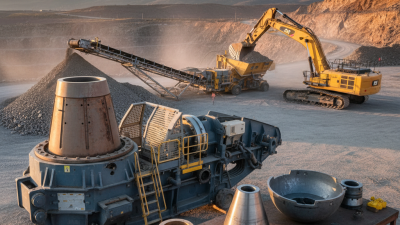
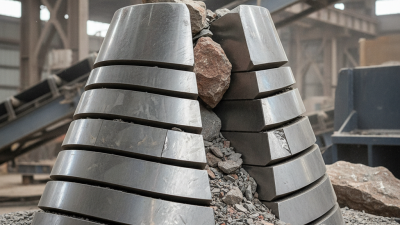
How to Choose the Right Cone Crusher Liners for Your Needs?
Choosing the right Cone Crusher Liners is crucial for optimal performance. According to industry expert John Doe, “The right liners can significantly enhance crushing efficiency and lifespan.” When selecting Cone Crusher Liners, several factors come into play. Material composition, specifications, and your application needs are essential considerations.
Each application is unique. Therefore, a one-size-fits-all solution rarely works. You must analyze your specific requirements. This includes the type of material being crushed and production goals. Performance can be severely impacted by choosing the wrong type.
The industry is evolving rapidly. New materials and design innovations are emerging. Staying informed about these developments is vital. It may lead to better choices in Cone Crusher Liners. Reflecting on past experiences can also provide valuable insights. The learning curve is steep, but making informed decisions can lead to notable improvements in efficiency and cost-effectiveness.
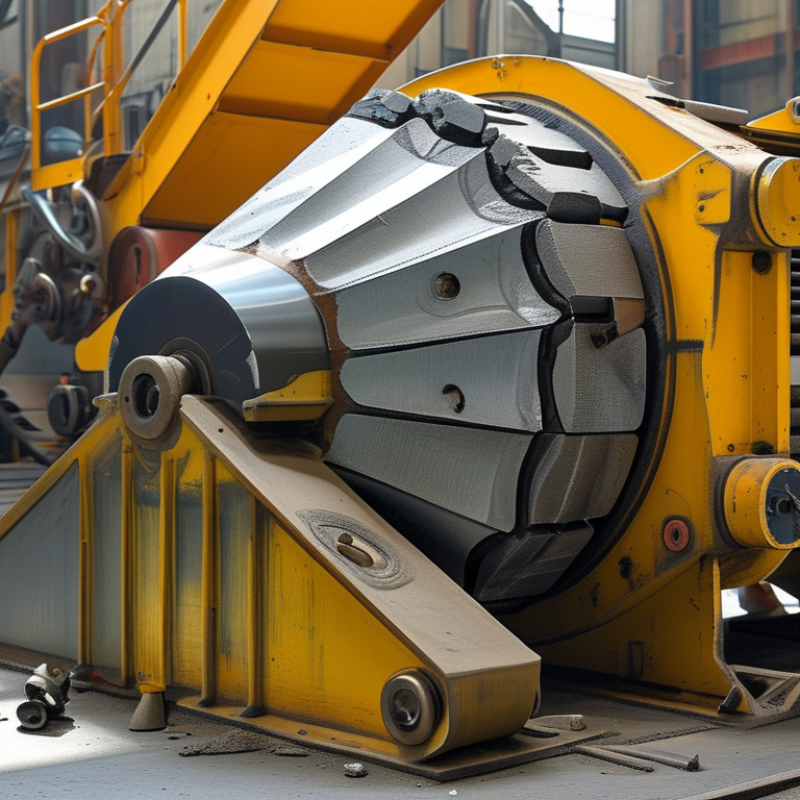
Understanding the Functionality of Cone Crusher Liners
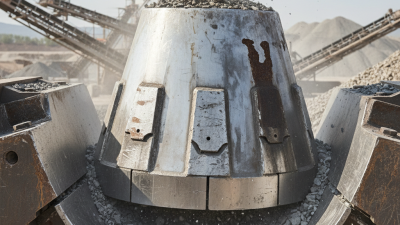
Cone crusher liners play a crucial role in the effective operation of crushing machinery. These components are designed to protect the cone's structure while maintaining the efficient processing of materials. They work by directing the flow of materials and absorbing the impact of rocks. Choosing the right liners is essential for optimizing performance.
When selecting the right cone crusher liners, consider your material type and the desired output size. Liners come in various profiles and materials, suited for specific applications. Understanding your operational requirements is key. A wrong selection can lead to inefficient crushing and increased wear. It's wise to consult with professionals to tailor your choice to your needs.
Tips: Regularly inspect your liners for wear and damage. This ensures optimal performance. Ensure compatibility between the liners and crusher models. Experimenting within your material range can improve output. Adjusting settings based on wear patterns helps extend wear life and maintain efficiency.
Types of Cone Crusher Liners and Their Applications
Choosing the right cone crusher liners is crucial for achieving optimal performance and efficiency. There are several types of cone crusher liners, each serving specific applications. Common types include standard, short head, and extra coarse liners. Standard liners are best for medium to fine crushing, while short head liners specialize in finer materials. Extra coarse liners handle larger rocks, providing more versatility.
When selecting liners, consider the material and design. Manganese alloys are popular due to their high resistance to wear and impact. Some designs may offer better wear patterns based on your specific crushing needs. Analyze the size and hardness of the material, as it greatly influences the liner selection. A mismatch could lead to early wear or inefficiency.
Tips: Regularly inspect your liners. Look for signs of wear or deformation. Adjust your selection based on the production goals and wear rates. Understand your crushing environment and adjust the liner type accordingly. This awareness can enhance productivity and extend the life of your equipment. Always reflect on past performances to inform future choices.
Factors to Consider When Choosing Cone Crusher Liners
Choosing the right cone crusher liners is crucial for optimizing performance. Several factors can influence your decision. One major aspect is the material of the liners. High manganese steel offers great impact strength but can wear quickly in abrasive conditions. Conversely, alloy steels are more durable but may not provide the same initial impact resistance.
The application type also plays a significant role. If crushing softer materials, you might need a different profile than if working with hard rock. It's essential to evaluate your specific operational environment. Factors like feed size, desired output, and the nature of the materials being processed should guide your choice of liners.
Another point to consider is the liner profile. This will affect how the cone crusher performs overall. A well-designed profile will improve your productivity. There may be factors you overlook, leading to unexpected challenges. Regularly reviewing liner performance can help identify these issues. Keeping track of wear patterns can yield insights for future decisions.
How to Choose the Right Cone Crusher Liners for Your Needs?
Maintenance Tips for Extending the Life of Cone Crusher Liners
Maintaining cone crusher liners is crucial to ensure equipment longevity. Regular checks can significantly extend their life. Inspect your liners for wear and tear regularly. Early detection of issues prevents larger problems later on.
Here are some practical tips to assist you.
- Always keep the crushing chamber clean.
- Remove aggregative materials and debris that could lead to unnecessary damage.
- Monitoring the feed material is essential, too. Avoid oversize or contaminated materials, as they can accelerate wear.
Additionally, maintain proper operational parameters. Ensure the crusher is not overloaded, and adjust the settings for optimal performance. Frequent training for the operation team can help in identifying potential issues. Be prepared to adjust the maintenance schedule based on usage patterns. Each application may pose unique challenges. Learning from operational experiences will enhance your maintenance approach.
Common Mistakes to Avoid in Selecting Cone Crusher Liners
When selecting cone crusher liners, it's easy to make costly mistakes. One common error is ignoring the material of the liners. Different materials have unique wear rates and performance characteristics. Choosing a material that doesn't suit your application can lead to unexpected downtime and extra costs. For example, opting for a softer material in a high-abrasion environment may result in rapid deterioration.
Another mistake is failing to consider the specific crushing conditions. Each operation is different, with varying feed sizes and hardness levels. If you overlook these factors, you may end up with liners that underperform. Additionally, choosing a liner solely based on price can be misleading. While cost is important, the right liner can save you money in the long run through reduced maintenance and enhanced efficiency.
Misjudging the fit of the liners is another pitfall. Liners must match the design of your crusher perfectly. If they don't fit, they may cause vibration or even damage to the equipment. This can result in additional repairs and loss of productivity. Always ensure you have the correct specifications before making your choice. Quality and precision matter immensely in achieving optimal performance.