How to Choose the Best Plate for Jaw Crusher?
Choosing the right plate for jaw crusher is vital. A well-selected plate ensures efficiency and longevity. The plate for jaw crusher directly impacts performance and maintenance costs.
There are various materials to consider. Steel plates are popular for their durability. However, they may not always be the best choice. Some applications require other materials for optimal performance. It's essential to analyze the unique requirements of your operation.
Understanding the environment where the crusher operates is key. Hardness and abrasiveness of materials affect the plate choice. If you're uncertain, consulting with experts can provide valuable insights. A poor decision can lead to significant downtime and unexpected expenses.
Factors to Consider When Choosing Jaw Crusher Plates
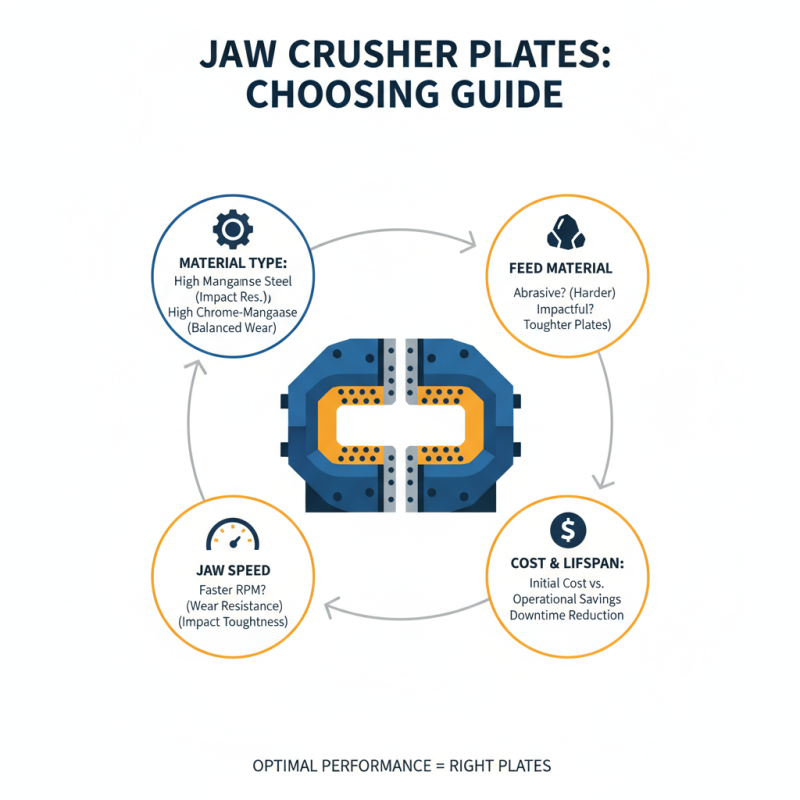
Choosing the right plates for a jaw crusher is crucial for optimal performance. Several factors should guide your decision. One primary concern is material type. High manganese steel is popular for its hardness and impact resistance. However, it tends to wear quickly in certain conditions. Some users report that a combination of high chrome and manganese offers a balanced solution, enhancing durability and reducing wear.
Another essential factor is the design of the plates. Different shapes, like smooth or corrugated, serve various crushing requirements. A smoother design may reduce hanging material but could produce coarser output. It's significant to analyze your specific application and desired product size. The correct design can enhance throughput by as much as 20%, a notable improvement according to industry analysis.
Monitoring wear patterns is also vital. Adjustments may be required depending on operational conditions. Users often observe unexpected wear rates due to variations in material hardness or feed size. Regularly reviewing wear can prevent costly downtime. Ensuring your choice aligns with operational needs will save resources and improve efficiency.
Types of Materials Used for Jaw Crusher Plates
Choosing the right material for jaw crusher plates is essential for optimal performance. Typically, jaw plates are made from various types of materials, including manganese steel, alloy steel, and even ceramic composites. Manganese steel, known for its high impact strength, is the most widely used option. It can resist wear, making it ideal for crushing hard ores and rocks.
Another notable material is alloy steel, often used for lower-priced options. While alloy steel offers decent toughness, it may not match manganese steel's durability in high-impact situations. Recent reports show that using manganese steel can increase service life by up to 40% compared to lower-grade options. Ceramic composites also appear in high-performance applications thanks to their wear and impact resistance. However, they may be more brittle, posing a risk in certain environments.
Tips: Consider the material’s hardness and tensile strength before purchasing. Ensure that the selected plates match the specific type of material being processed. Not all applications require high-end materials, but the wrong choice can lead to premature wear. Evaluate costs versus performance carefully.
Understanding the Role of Plate Design in Jaw Crusher Performance
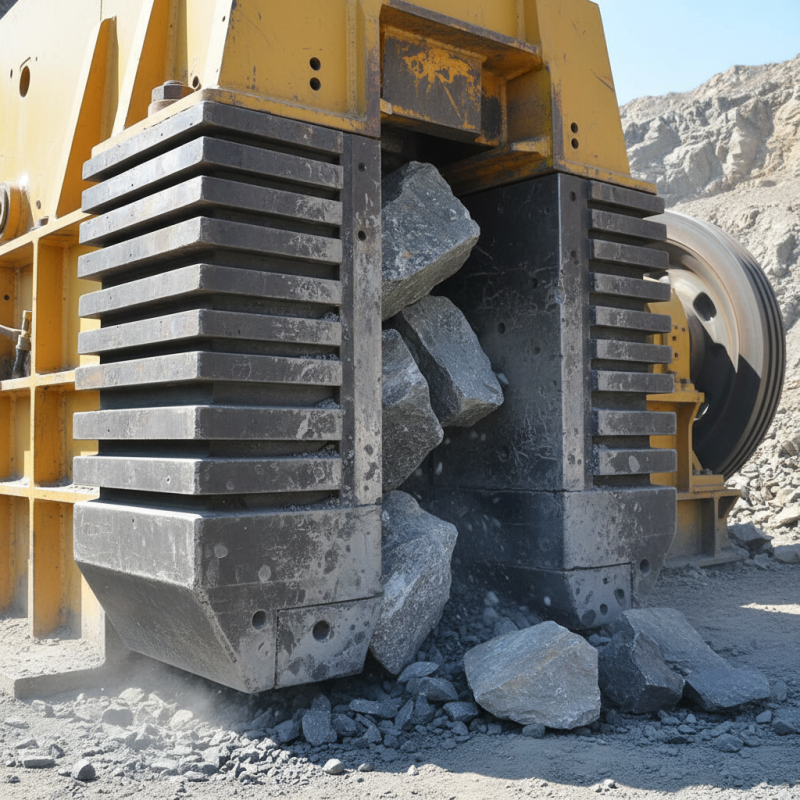
The plate design in a jaw crusher plays a crucial role in determining overall performance. These plates are the main point of contact for crushing materials. Their shape, size, and material directly impact efficiency and output.
Different designs can lead to varying levels of wear and tear. A well-designed plate can optimize the crushing process. It allows for a uniform distribution of pressure. This reduces the chances of uneven wear. However, not all designs succeed in this aspect. Some plates may not engage effectively with the materials, leading to inefficiency.
Material selection is another essential aspect of plate design. Harder materials often last longer but may not provide adequate friction. Softer materials might enhance grip but wear down quickly. Finding the right balance is a complex task. It requires extensive testing and adjustments. Ultimately, understanding these factors can lead to informed decisions for better jaw crusher performance.
Evaluating Durability and Wear Resistance of Jaw Crusher Plates
When selecting a plate for a jaw crusher, durability and wear resistance are crucial factors.
A good plate should withstand significant stress while minimizing wear. The material used in the plate greatly affects its longevity and performance.
High-quality steel alloys typically offer better wear resistance. However, even the best materials may still face challenges over time, especially under extreme conditions.
For optimal performance, consider the hardness of the material. Harder plates can resist abrasion better but may be more brittle. Balancing hardness with toughness can enhance durability.
It’s essential to evaluate the specific material composition to ensure it meets your operational needs. Regular inspection is vital. Identifying early signs of wear can prevent sudden failures and prolong the life of the equipment.
Tips: Choose plates that match your specific application. Don’t overlook the environment in which the crusher operates.
Are you dealing with tough materials or softer ones? Adjust your choice accordingly. Remember, a thoughtful selection process can lead to improved efficiency and reduced operational costs.
Always keep safety in mind; worn-out plates can lead to unsafe working conditions.
Cost-Effectiveness and Maintenance Tips for Jaw Crusher Plates
When selecting the best plates for a jaw crusher, consider both cost-effectiveness and maintenance. Key factors include material quality and design. High-quality plates provide longer service life, reducing replacement frequency and costs. Materials like manganese steel have excellent wear resistance, making them ideal choices. However, they can be pricier upfront.
To maximize efficiency, regular inspections are essential. Check for wear patterns and cracks. This helps in making timely replacements. Implementing a routine cleaning schedule can also prevent material buildup, enhancing the plate’s lifespan and performance. Use a spray or washing system to simplify this process.
Another tip is to balance between durability and flexibility. Plates that are too rigid may crack under stress, while overly flexible ones wear out quickly. Consider using a hybrid design to find the right balance. This might require initial experimentation but pays off in the long run. Monitoring your operational conditions can lead to informed adjustments and enhancements in your choice of plates.