How to Choose the Best Jaw Crusher Wear Parts for Your Needs?
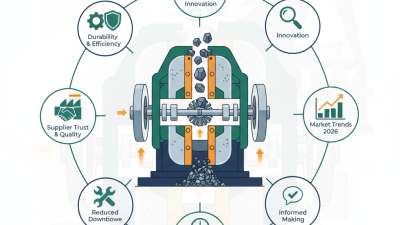
Selecting the right Jaw Crusher Wear Parts is crucial for optimal equipment performance. According to reports from industry experts, improper wear parts can lead to significant operational inefficiencies. In fact, poor wear part selection can decrease productivity by up to 20%.
The durability of these components impacts the overall lifecycle of the crusher. Various materials offer different resistance levels. For instance, high-manganese steel is often favored for its work-hardening properties. However, this material may not always be the best choice in harsh environments. A mismatch can result in premature wear and costly downtime.
Moreover, it's essential to consider the application of the jaw crusher. Certain operations may require specialized designs to handle unique materials. Experience shows that businesses often overlook these details. This can lead to increased wear and maintenance costs. Understanding the intricacies of Jaw Crusher Wear Parts is vital for avoiding these pitfalls.
Understanding the Function of Jaw Crusher Wear Parts
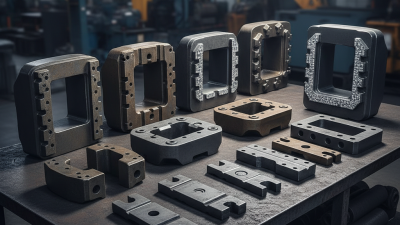
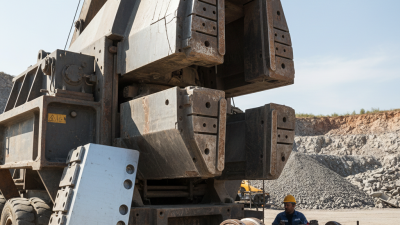
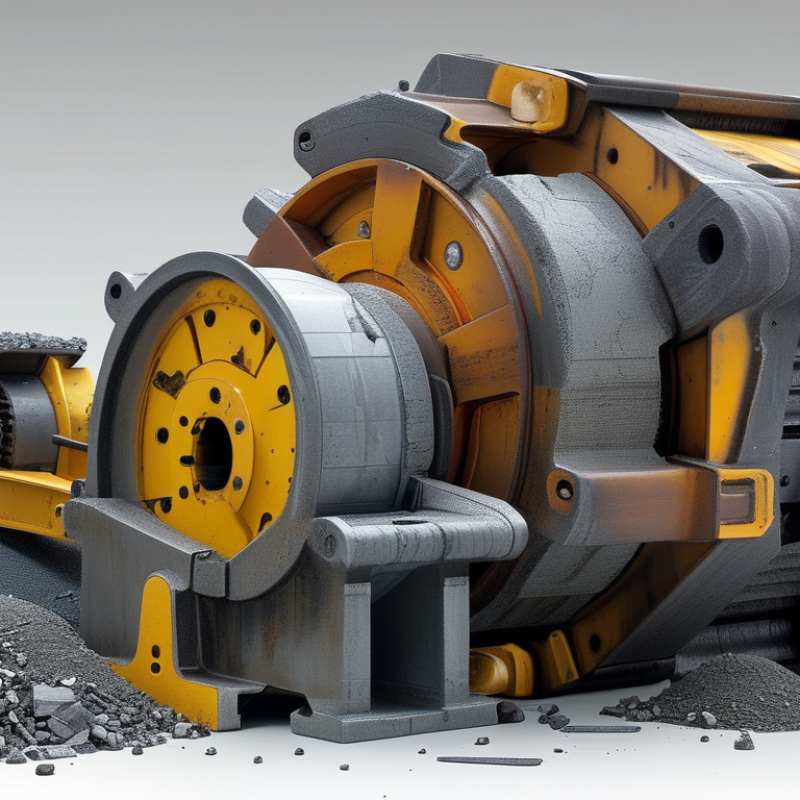
Jaw crusher wear parts play a crucial role in the efficiency and durability of crushing operations. These parts are designed to withstand considerable impact and wear. Understanding their function helps in making informed decisions. Wear parts include jaw plates, cheek plates, and liners. Each component serves to protect the main crusher and optimize its performance.
Choosing the right wear parts involves various considerations. Make sure to assess the material quality. High-quality steel can offer better wear resistance. Additionally, analyze the specific application. Factors like the type of material being crushed and the operating environment should influence your decision. Regular inspections are essential; they can reveal early signs of wear and tear.
Tips: Always keep a close eye on wear patterns. They provide insight into part performance. Consider consulting experts for personalized advice. Investing in knowledgeable guidance often pays off significantly. Lastly, test different brands when possible; it may lead to unexpected improvements.
Identifying the Different Types of Jaw Crusher Wear Parts
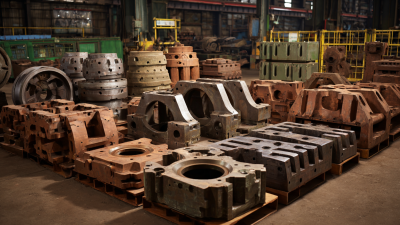
When it comes to jaw crusher wear parts, understanding the different types is essential for making informed choices. Wear parts typically include jaw plates, cheek plates, and the toggle plate. Each component has a unique role in maintaining the efficiency of your crusher. For example, the jaw plates crush materials and can be made from various materials like manganese steel for increased durability.
Tips: Be sure to evaluate the hardness of your material. Softer materials may require less robust plates. However, if you're dealing with tough materials, consider investing in high-quality wear parts.
Another critical aspect is the compatibility of wear parts with your specific machinery. Different models may have different dimensions, which can impact performance. If your wear parts are not a perfect fit, they can cause excessive wear or operational issues. Regular inspection can help identify parts that need replacement.
Tips: Keep a record of your wear part usage. This can help in predicting when replacements are due. Also, consult with professionals about the best options tailored to your operation's needs.
Factors to Consider When Choosing Jaw Crusher Wear Parts
When selecting jaw crusher wear parts, several factors demand careful consideration. The material composition plays a crucial role. Options include manganese steel, ceramic matrix composites, and various alloys. Each has unique properties that affect durability and performance. Analyzing the operating conditions is vital. The type of material processed influences wear resistance.
Another critical aspect is the compatibility of parts. You must ensure the wear parts fit seamlessly with your specific model. Improper fit can lead to operational inefficiencies and increased downtime. Assessment of the manufacturer’s reputation is also important. Reliable manufacturers will have a track record of quality and customer service.
While evaluating these factors, also consider your budget. Higher quality parts can be more expensive, but they often provide better value over time. Reflecting on past experiences can guide your decision-making. Perhaps you've encountered premature wear or failures with cheaper options. Learning from those moments helps in making informed choices.
Evaluating Material Options for Durability and Performance
When selecting jaw crusher wear parts, material options significantly impact durability and performance. The primary materials used include manganese steel, alloy steel, and ceramic composites. Manganese steel is popular due to its high-impact resistance. It can withstand significant wear and deformation but may not perform well in extreme conditions. Understanding these limitations helps in making informed choices.
Alloy steel offers better tensile strength, enhancing the life of wear parts. However, it can be prone to brittle fractures under stress. For applications involving high abrasion, ceramic composites may be a viable choice. They provide excellent wear resistance but are often costlier. Evaluating specific operational conditions is crucial for optimal selection.
Durability testing in real-life scenarios is essential. Different materials might perform variably due to factors like feed size or hardness. Observation is key. If wear parts fail prematurely, it could indicate incompatibility with the operation. This reflection leads to better future decisions. Therefore, balancing material choices with operational requirements is vital for successful performance.
Durability Comparison of Jaw Crusher Wear Parts Materials
Best Practices for Maintaining Jaw Crusher Wear Parts
Maintaining jaw crusher wear parts is crucial for optimal performance. Regular inspections can prevent major issues. Look for signs of wear, such as cracks or uneven surfaces. These warning signs can help you address problems early. A proactive approach saves time and money in the long run.
Cleaning the wear parts is equally important. Debris buildup can hinder performance and lead to unnecessary damage. Use a soft brush or cloth to remove dirt and dust. Regular cleaning helps in identifying wear patterns too. Sometimes, you might overlook subtle signs of wear. Staying attentive is key.
Proper lubrication is essential for longevity. Keeping moving parts lubricated reduces friction and wear. However, excessive lubrication can be harmful. Finding the right balance takes practice. Regularly check lubricant levels and follow manufacturer guidelines. Reflect on your maintenance practices. Adjust based on your observations to ensure better performance.