How to Choose the Right Cone Crusher for Your Project?
Choosing the right cone crusher for your project can be challenging. Each project has unique needs. Understanding these needs is crucial for success.
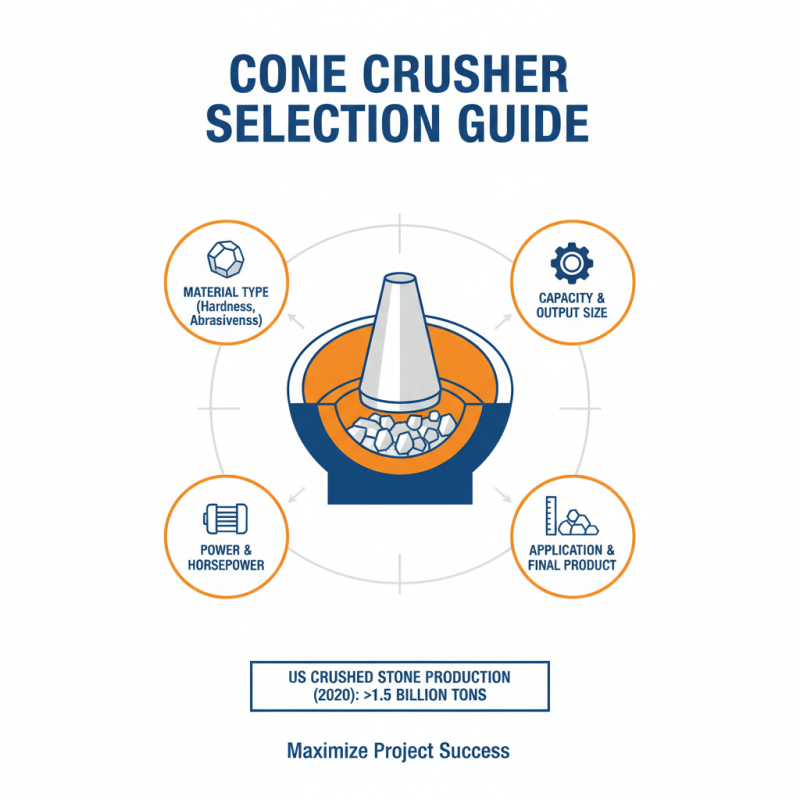
Cone crushers come in various sizes and configurations. Their design impacts performance, making selection vital. Factors like production capacity and material type play a role. A mismatch may lead to inefficiency or increased costs.
Consider the quality and reliability of the cone crusher. Not all crushers are built equal. Researching user feedback can reveal important insights. Mistakes in choice can be costly, stressing the importance of informed decisions. Reflecting on past choices may guide better outcomes this time.
Understanding Different Types of Cone Crushers Available in the Market
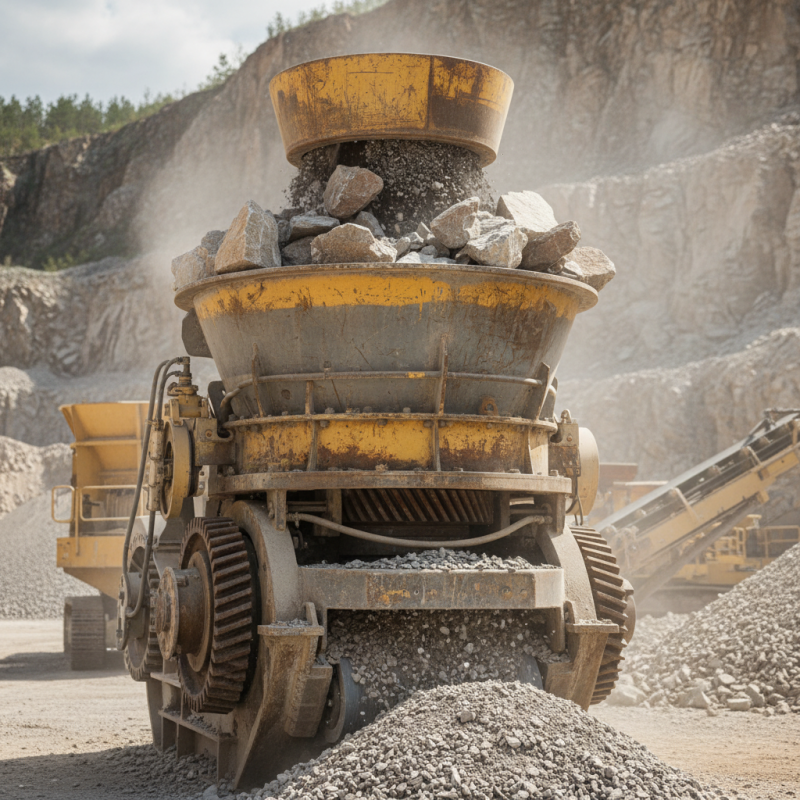
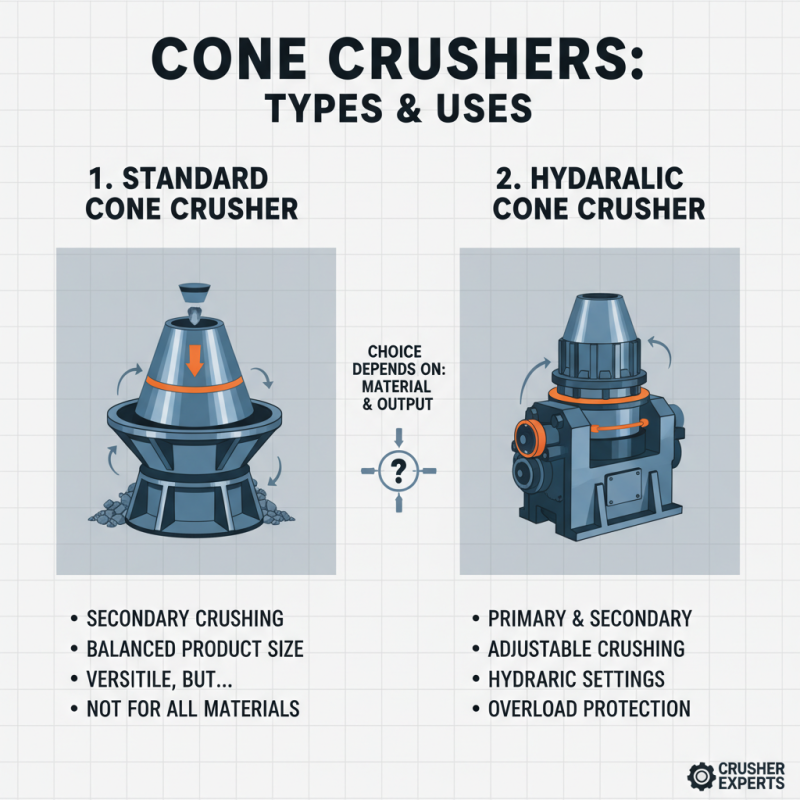
When looking for a cone crusher, it's essential to understand the different types available. Each model serves specific needs and conditions. The standard cone crusher works well for secondary crushing. It ensures a balanced product size. However, it might not suit all materials.
The short-head cone crusher offers finer crushing capabilities. This type is ideal for projects requiring smaller output sizes. It's effective for harder materials but has limitations. It may not provide sufficient capacity for high-volume tasks.
There are also mobile cone crushers. These machines are portable and versatile. They can be relocated easily, making them suitable for varied job sites. Yet, they might lack the power of stationary models. Each type presents unique advantages and challenges. Understanding these differences can help you make an informed choice.
Assessing the Capacity and Size Requirements for Your Project
Assessing the capacity and size requirements for your project is crucial when selecting a cone crusher. The size of the crusher often determines its output volume and efficiency. Smaller projects may require a compact model, while larger operations need a more powerful machine. It’s essential to analyze the materials you will be crushing and their dimensions. This analysis helps in ensuring that the selected crusher fits your needs.
Understanding the required capacity is another key factor. It refers to the amount of material the crusher can handle within a given timeframe. Be realistic about your production goals. Overestimating can lead to operational inefficiencies and increased costs. An ideal capacity should match your project demands without straining the machine. You might find that what seems sufficient on paper doesn't deliver in real-world scenarios.
Additionally, pay attention to the discharge settings and feed size. These factors also influence performance. If you aim to crush harder materials, you'll need a crusher that can handle that intensity. Sometimes, there can be a mismatch between expectations and actual performance. This requires constant monitoring and adjustments. Keeping these aspects in mind is key to making an informed decision.
Selection of Cone Crusher Based on Capacity Requirements
Evaluating Material Compatibility and Crusher Specifications
When selecting a cone crusher, evaluating material compatibility is crucial. Different materials react differently under compression and can affect crusher performance. For instance, harder materials require more robust crushing units, while softer aggregates might be adequately processed by standard models. Research indicates that approximately 70% of maintenance issues arise from inappropriate material specifications.
Consider the crushing capacity as well. The specifications often list throughput rates, but real-world applications can differ. A crusher designed for a 200 tons per hour capacity might struggle with materials that produce excessive fines. This issue highlights the importance of a detailed analysis of the material. Analysis reports suggest that 35% of operators faced unexpected downtime due to material mismatch.
Additionally, the size of the feed material plays a pivotal role. Ideally, feed size should match the crusher's maximum input capacity. Overloading can lead to premature wear and tear. Industry studies have shown that a mismatched feed can increase operational costs by nearly 25%. Such insights emphasize the need to critically assess both the material and the specifications before making a decision.
Analyzing Cost of Ownership and Maintenance for Cone Crushers
When selecting a cone crusher, the cost of ownership and maintenance is a crucial factor. According to industry reports, maintenance costs can account for up to 30% of the total ownership costs over a machine's lifespan. This percentage varies depending on factors like usage, material type, and operational conditions. Regular maintenance is essential to extend the lifespan of the equipment.
Tips: Always check the accessibility of components for servicing. Ease of maintenance can significantly reduce downtime and costs.
Operational costs can further impact your budget. For instance, parts replacement is a significant expense. Parts can wear out quickly when processing abrasive materials, leading to unexpected costs. It’s important to analyze the material you will process and its effects on the crusher.
Tips: Research the average life expectancy of crucial components. It might help you plan for replacements and avoid interruptions.
Investing in training for your team can also pay off. Well-trained operators can identify issues before they become major problems. This proactive approach can reduce maintenance costs and extends the life of the equipment. The goal is to keep your cone crusher running efficiently, minimizing downtime and unexpected expenses.
How to Choose the Right Cone Crusher for Your Project? - Analyzing Cost of Ownership and Maintenance for Cone Crushers
| Model |
Initial Cost ($) |
Annual Maintenance Cost ($) |
Operational Efficiency (%) |
Production Capacity (tons/hour) |
Warranty Period (years) |
| Standard Cone Crusher |
$80,000 |
$5,000 |
85 |
150 |
2 |
| High-Efficiency Cone Crusher |
$120,000 |
$4,000 |
95 |
200 |
3 |
| Portable Cone Crusher |
$150,000 |
$6,500 |
80 |
120 |
2 |
| Multi-Cylinder Hydraulic Cone Crusher |
$200,000 |
$3,500 |
90 |
250 |
5 |