Top China Construction Machinery Wear Parts for Global Buyers?
In the rapidly evolving landscape of construction machinery, wear parts are critical. Renowned expert in the field, Dr. John Zhang, once stated, "The quality of wear parts directly affects machinery performance." This highlights an urgent truth in the industry.
Construction Machinery Wear Parts not only ensure efficiency but also extend the lifespan of equipment. Buyers face many choices, each influencing project outcomes. The right wear parts can enhance durability and reduce downtime. However, not all manufacturers uphold the same standards. It’s vital for global buyers to research and choose suppliers wisely.
The market is full of options. Yet, many overlook critical details such as compatibility and material quality. There’s room for improvement in understanding these aspects. As technology advances, the demand for high-quality wear parts will only intensify. Choosing wisely can truly make a difference in any construction project.
Overview of China's Construction Machinery Wear Parts Market
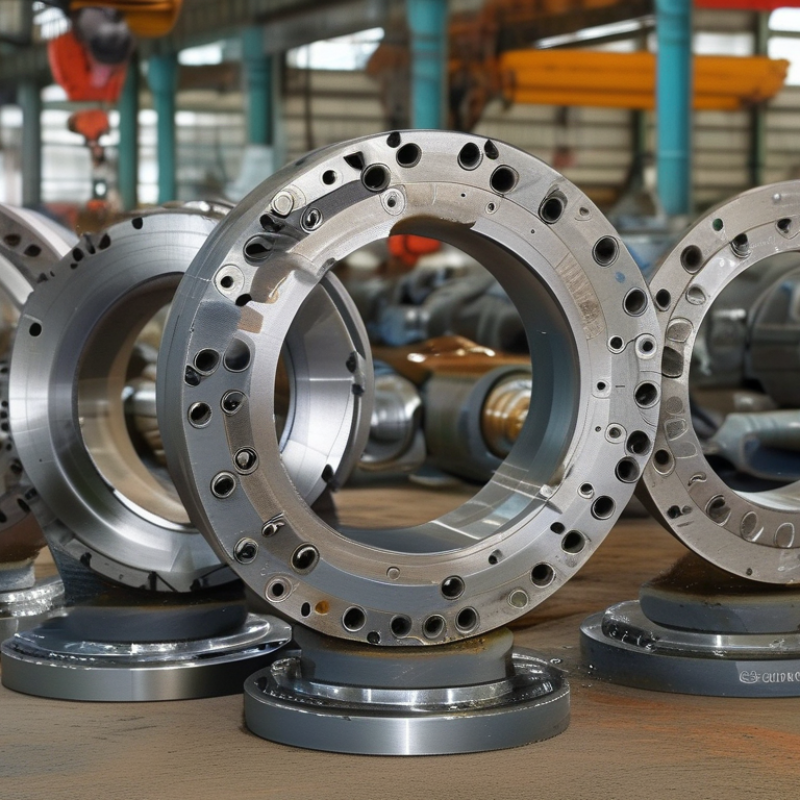
China's construction machinery wear parts market is a dynamic segment that caters to global demands. As construction projects worldwide grow, quality wear parts become essential. These components often undergo rigorous testing and development in China, ensuring durability and efficiency. However, potential buyers should remain vigilant about quality control to avoid subpar products.
When sourcing wear parts, consider working with reputable suppliers. Ensure they follow strict quality standards. Look for providers that have a strong track record. A supplier with experience often demonstrates a deeper understanding of wear part specifications and market demands.
Tips for successful procurement: Always request samples before placement. This helps gauge quality. Additionally, maintaining clear communication can prevent misunderstandings regarding specifications. Frequent follow-ups might seem tedious, yet they ensure alignment with your project needs. Regularly reassess your suppliers based on their delivery and product performance. In a competitive market, adaptability remains crucial for long-term success.
Top China Construction Machinery Wear Parts Market Overview
Key Materials Used in Wear Parts Manufacturing
In the construction machinery industry, the durability of wear parts is critical. Various materials are utilized to create components that withstand harsh conditions. Steel alloys are a common choice due to their strength and resistance to impact. They effectively endure the stresses of heavy equipment operations. However, the type of alloy used can greatly affect performance and longevity.
Another popular material is rubber. Rubber wear parts offer flexibility and are often used in situations requiring vibration absorption. They provide excellent grip and can reduce overall noise during operation. Yet, rubber can wear down more quickly than metal parts, leading to frequent replacements. This raises the question of cost-effectiveness in long-term use.
Ceramics have gained attention as well. They are often used for their hardness and wear resistance. With the right application, ceramic components can significantly enhance the lifespan of machinery. Despite their advantages, ceramics can be brittle. They require careful handling and installation. Evaluating material choices based on specific operational needs remains essential.
Top China Construction Machinery Wear Parts for Global Buyers
| Part Type |
Material Used |
Hardness (HRC) |
Application |
Expected Lifespan (Hours) |
| Excavator Boom |
High-Strength Steel |
40-50 |
Earthmoving |
5000 |
| Loader Bucket |
Wear-Resistant Alloy |
55-60 |
Material Handling |
8000 |
| Hammer |
Chrome Molybdenum Steel |
45-55 |
Breaking Rock |
3000 |
| Track Shoes |
Ductile Iron |
38-45 |
Crawler Excavators |
6000 |
| Crushers Liners |
Manganese Steel |
20-25 |
Mining |
4000 |
Top Manufacturers of Construction Machinery Wear Parts in China
When it comes to construction machinery wear parts, China stands out for its vast manufacturing capabilities. Numerous established manufacturers offer a range of high-quality components. These parts are critical for the durability and efficiency of heavy machinery, especially in harsh operating conditions. Buyers can find everything from hydraulic pumps to undercarriage components.
The competitive landscape is diverse. Many companies focus on specific niches, ensuring specialized products. This enables global buyers to source tailored solutions for their needs. However, the sheer volume of options can be overwhelming. It’s essential for buyers to assess not only quality but also the reputation of the manufacturers in the industry. Some less reputable sources may compromise on material standards, which could lead to premature wear and tear.
Quality control processes vary between manufacturers. Some facilities implement stringent testing, while others may lack rigorous protocols. This inconsistency raises concerns. Buyers should conduct due diligence, understanding both the strengths and weaknesses of their suppliers. Establishing clear communication and expectations is crucial. Collaboration can help bridge gaps in knowledge and mitigate risks associated with sourcing from international markets.
Popular Wear Parts for Different Construction Equipment Types
When it comes to construction machinery, wear parts play a crucial role in ensuring efficient operation. Various equipment types, from excavators to bulldozers, require specific components to maintain their functionality. For instance, high-quality undercarriage parts are essential for excavators. These parts include tracks, sprockets, and idlers, which endure significant wear due to constant movement over rough terrains. Choosing the right materials for these parts can extend their lifespan and reduce maintenance costs.
Another important category involves hydraulic components. Hydraulic cylinders and pumps are vital in various construction machinery. Wear from hydraulic operations can lead to performance issues. It’s essential to monitor these parts regularly and replace them as needed. While it may seem daunting, being proactive about maintenance can save time and resources in the long run.
Moreover, the quality of wear parts can vary significantly. Not all replacement parts meet the same standards. With a vast market available, buyers must perform due diligence. Researching suppliers and reading reviews can help identify reliable sources. Investing time in this process ensures that construction projects run smoothly and safely.
Global Distribution and Export Trends for Chinese Wear Parts
China's construction machinery wear parts are increasingly sought after in global markets. A recent report by ResearchAndMarkets shows that the global construction equipment market is projected to reach approximately $250 billion by 2026. This growth indicates rising demand for quality wear parts that support machinery efficiency.
Distribution channels are evolving. E-commerce platforms are becoming a primary sales channel for Chinese wear parts. In 2023, around 30% of international buyers preferred online transactions, reflecting a shift in purchasing behavior. These platforms provide easy access to product information and price comparisons. However, potential buyers should remain cautious of supplier credibility.
**Tips:** Check reviews and ratings for suppliers to ensure quality and reliability.
Export trends reveal a focus on sustainability. Buyers increasingly prefer environmentally friendly parts that reduce operational waste. Reports indicate that wear parts contributing to energy efficiency may see a 20% increase in demand by 2025. Despite this, there are challenges in logistics and long shipping times that can impact supply chains.
**Tips:** Always plan for potential delays when sourcing internationally.
Overall, while the market for Chinese wear parts continues to expand, buyers must navigate complexities in distribution and sustainability. Continuous vigilance and research are crucial to maintaining a competitive advantage.