What Are the Best Wear Parts for Scrap Metal Recycling?
Scrap metal recycling is a crucial industry, contributing to environmental sustainability. The right equipment makes a significant difference. According to a report by the Recycling Association, approximately 95% of all metals can be recycled without losing quality. This underscores the need for robust Scrap Metal Recycling Wear Parts.
Expert Tom Jenkins, a leader in recycling technology, emphasizes, "Quality wear parts can boost efficiency and minimize downtime." Choosing the best wear parts enhances the overall performance of recycling operations. However, many companies often overlook the importance of investing in superior components.
Inadequate wear parts can lead to increased wear and costly breakdowns. The wrong choice could hinder productivity. Industry averages suggest that improper wear parts can reduce operational efficiency by up to 30%. This highlights a critical area for improvement in scrap metal recycling. Attention to detail in selecting Scrap Metal Recycling Wear Parts is not just advisable; it is necessary.
Understanding the Importance of Wear Parts in Scrap Metal Recycling
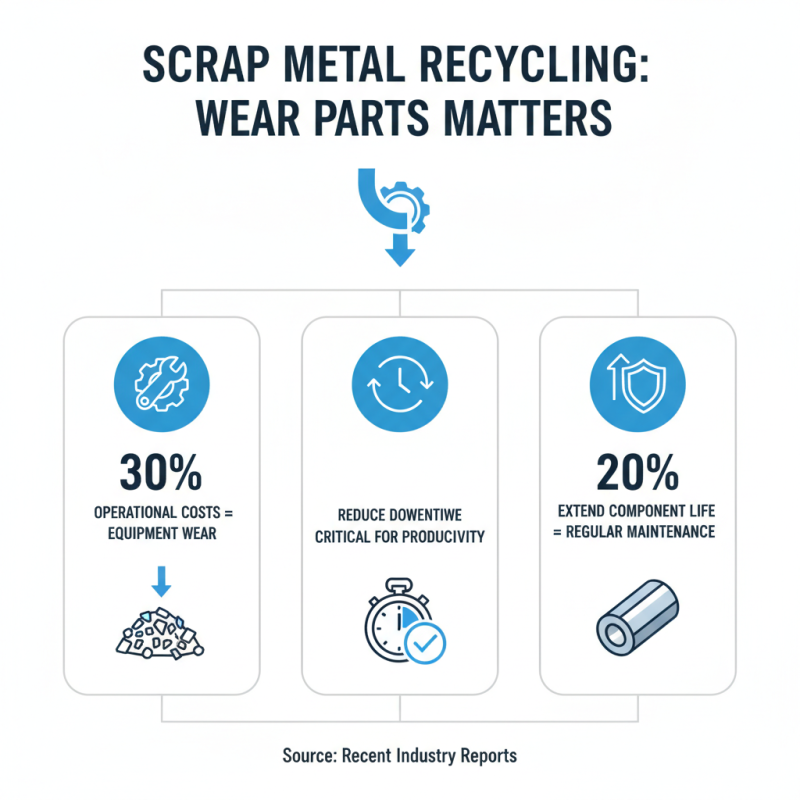
In the scrap metal recycling industry, wear parts play a critical role in efficiency and productivity. According to recent industry reports, up to 30% of operational costs are attributable to equipment wear and tear. Managing wear parts can drastically reduce downtime. For instance, regular maintenance can extend the life of components by 20%. This is vital in an industry where every minute counts.
Understanding the types of wear parts is essential. Components like blades, hoppers, and screens often endure significant stress during operations. A study indicated that companies optimizing wear parts saw an increase in processing efficiency by 15%. This is significant, given that scrap metal prices fluctuate. Inefficient machinery can lead to lost revenue.
However, challenges persist. Many operators overlook the importance of timely replacements. This can result in unexpected breakdowns and increased costs. Data from recent surveys shows that 60% of businesses face delays due to worn-out parts. Improving awareness and processes around wear parts is necessary for sustainable growth in recycling.
Types of Wear Parts Used in Metal Recycling Equipment
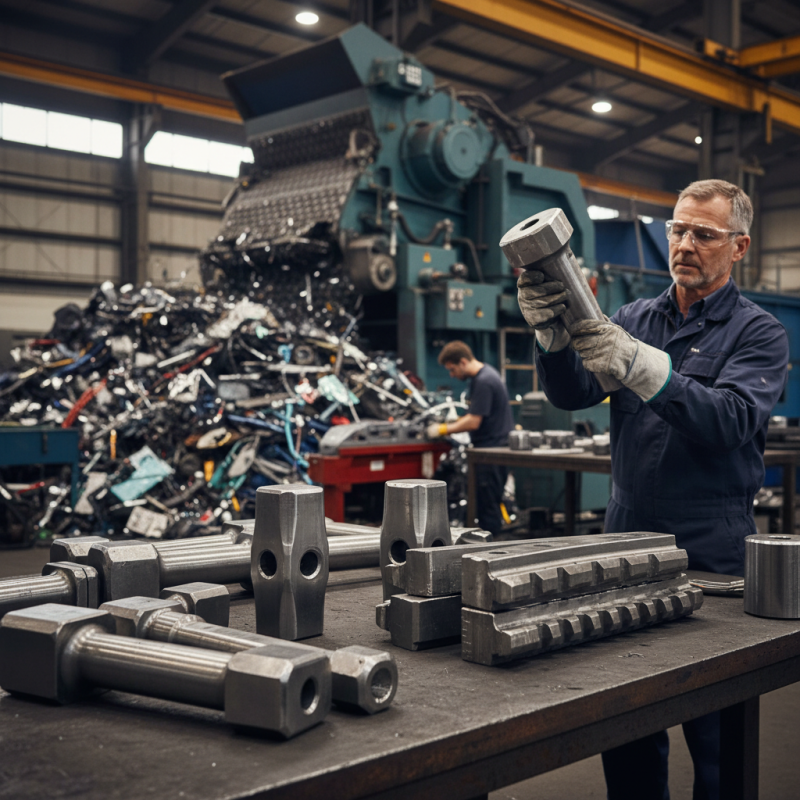
When it comes to metal recycling, wear parts play a crucial role. These components are pivotal in ensuring efficient operation. The most common types of wear parts include cutting blades, hoppers, and screens. Each part endures significant wear and tear during the recycling process.
Cutting blades are essential for shearing through tough metal materials. They need to be made from high-strength steel. The durability of these blades affects the overall performance of the recycling machine. Hoppers, on the other hand, facilitate the input of scrap metal. They should be designed to manage various sizes of scrap efficiently. Screens help separate material sizes, and their condition influences the separation process.
It's interesting to note that the selection of wear parts often requires careful consideration. Choosing the right material can be challenging. Some operators may overlook the importance of regular maintenance. This could lead to increased costs and reduced efficiency. Balancing performance with durability is not always straightforward. Decisions must be made based on the specific recycling setup and materials being processed.
Best Wear Parts for Scrap Metal Recycling
This chart displays the most commonly used wear parts in scrap metal recycling based on industry usage and efficiency. The bars represent the effectiveness and durability of each type of wear part, which are crucial for optimizing recycling processes.
Factors Influencing the Selection of Wear Parts for Recycling
When selecting wear parts for scrap metal recycling, several factors come into play. The type of materials processed impacts the choice. For instance, ferrous metals may require different components than non-ferrous options. The hardness and toughness of the wear parts must match the material to avoid premature wear. Scrapyards often face challenges in balancing durability and cost.
Another consideration is the environment in which the wear parts operate. High-impact settings may demand more robust designs. However, just because a part is heavy-duty doesn’t always mean it’s the best choice. Sometimes, lightweight options can outperform due to better mobility and efficiency. Longevity is essential, but the recycling process can be unpredictable, leading to unexpected repairs and downtime.
Another important aspect involves maintenance and replacement intervals. Regular inspections are vital. They help identify when parts are wearing down, preventing costly breakdowns. Still, some operators overlook this, leading to inefficiencies. Reflecting on these practices can help improve operations. The right wear parts can enhance recycling efforts, but the selection process is anything but straightforward.
Maintenance Practices for Optimizing Wear Part Longevity
Maintaining the wear parts in scrap metal recycling operations is essential for efficiency. Research shows that wear parts significantly affect the productivity of recycling machinery. Faulty parts can lead to unexpected downtimes. It's reported that up to 30% of operational costs stem from equipment failures. Regular maintenance can reduce these expenses.
Tips: Schedule routine inspections for all wear parts. Early detection of issues can prevent bigger problems later.
Proper lubrication is crucial for wear part longevity. Many professionals underestimate the importance of grease and oil. Lack of proper lubrication can double the wear rate. Use high-quality lubricants to ensure smooth operation. Evaluate the lubrication intervals based on operational conditions.
Tips: Keep a lubrication log. This will help in tracking and optimizing your maintenance schedule.
Training staff on maintenance is often overlooked. Workers may not be aware of how to service wear parts properly. Miscommunication about maintenance procedures can result in severe wear or damage. Continuous education fosters a proactive approach to maintenance, ultimately enhancing safety and minimizing downtime.
Comparative Analysis of Wear Part Materials in Recycling Applications
In the world of scrap metal recycling, wear parts play a crucial role. Choosing the right materials increases efficiency and extends equipment life. Steel, ceramic, and polyurethane are common options. Each has unique benefits. Steel is robust and cost-effective. However, it can wear out quickly under high-stress conditions.
Ceramic wear parts are durable but are often more expensive. They provide excellent resistance to abrasion. This can lead to lower long-term costs in some settings. Polyurethane is flexible and resilient, suitable for various applications. However, it may not endure extreme pressures. Recycling operations often face environmental variables. This means wear part selection requires careful thought.
**Tip:** Regularly inspect wear parts. Early detection of wear can prevent larger issues.
Consider the specific conditions of your operation. The right choice may vary based on the material type and processing methods. Remember, the performance of wear parts depends heavily on the recycling environment.
**Tip:** Experiment with different materials. This can help identify the best fit for specific tasks. Adaptation is vital for optimal efficiency.